
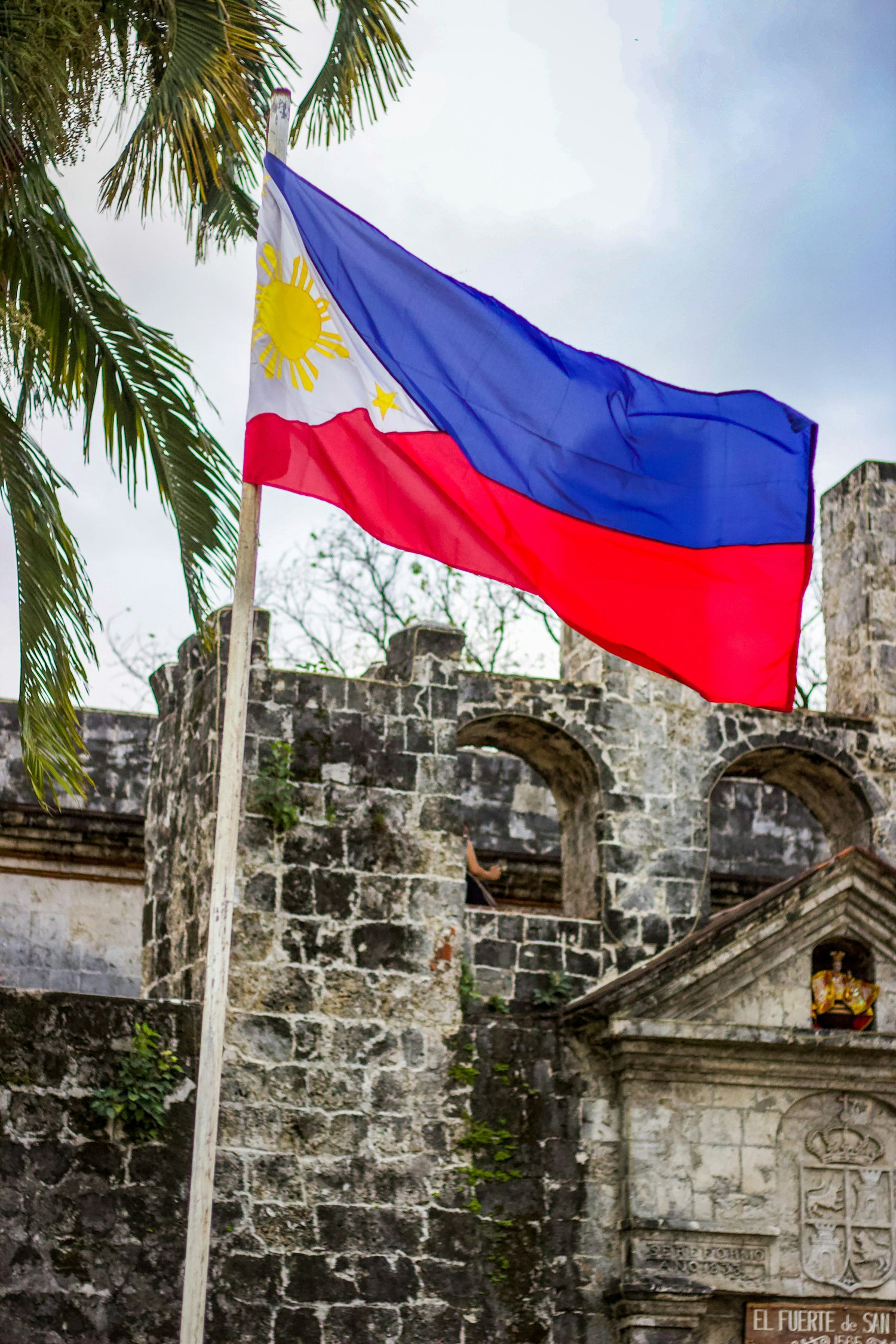
The Philippines, an archipelago composed of more than 7,000 islands, is a nation of immense cultural richness and diversity. Filipino culture is an intricate blend of indigenous traditions, colonial influences, and modern developments, creating a unique and vibrant identity. From its warm-hearted people to its colorful festivals, deep-rooted traditions, and delicious food, Filipino culture continues to captivate and inspire people worldwide.
1. The Filipino Family: At the Heart of the Culture
In Filipino culture, family is everything. The close-knit Filipino family structure is central to society and is often described as one of the most important aspects of Filipino life. Whether nuclear or extended, the family unit plays a vital role in shaping values and social dynamics. Elders are highly respected, and there is a strong emphasis on caring for the elderly, often through multi-generational households.
The term "Bayanihan" is used to describe the spirit of communal unity and cooperation, which is often exhibited within families. This cooperative spirit extends beyond the home and can be seen in various aspects of Filipino life.
2. Language and Dialects: A Melting Pot of Voices
The Philippines is a multilingual nation, with over 170 languages and dialects spoken across the country. The official languages are Filipino (based on Tagalog) and English, both of which are widely used in daily life, government, education, and media. Filipino is a rich and expressive language that continues to evolve, incorporating influences from Spanish, Chinese, and American English.
Regional languages like Cebuano, Ilocano, Hiligaynon, and others carry deep cultural significance, and many Filipinos proudly speak more than one language, switching between them based on context or location. Language plays a powerful role in preserving cultural heritage and identity.
3. Festivals: A Celebration of Faith, Life, and Heritage
Filipinos are known for their festive spirit, and the country’s festivals are a testament to this. Almost every province, city, or town has its own fiesta, often celebrated with grand parades, colorful costumes, dances, and religious rituals.
The Sinulog Festival in Cebu, the Ati-Atihan Festival in Kalibo, and the Panagbenga Festival in Baguio are just a few examples of these exuberant celebrations. These festivals blend the Filipino’s strong Catholic faith with indigenous traditions, showcasing vibrant displays of music, dance, and food. Even in the more recent, contemporary festivals, there's an unmistakable sense of joy, togetherness, and cultural pride.
4. Cuisine: A Flavorful Journey of Taste and Tradition
Filipino cuisine is a fusion of various influences, from native ingredients to the legacies of Spanish, Chinese, and American colonization. At its core, Filipino food is about bold flavors and hearty meals that are often shared with family and friends. Adobo, a savory dish of marinated meat (usually chicken or pork), is often considered the national dish of the Philippines. Sinigang, a sour tamarind-based soup, and Lechon, a whole roasted pig, are other beloved dishes that highlight the Filipino palate’s love for rich and diverse flavors. Each region in the Philippines has its own specialty dishes: Bicol is known for its spicy coconut milk-based meals, while Ilocos is famous for its longganisa (local sausages) and bagnet (crispy pork). Filipino food is often enjoyed with a sense of celebration, whether it’s a family meal or a grand festival feast.
5. Faith and Spirituality: Catholicism and Indigenous Beliefs
The Philippines is predominantly a Catholic nation, with around 80% of the population identifying as Roman Catholic. This deep faith permeates the culture, with many Filipino traditions, holidays, and festivals rooted in Catholic beliefs. The Simbang Gabi (Night Mass) during Christmas, and the annual Black Nazarene procession, are just some of the religious observances that showcase Filipino devotion.
However, Filipino culture also incorporates elements of indigenous spirituality and beliefs. Many Filipino traditions, such as the Pamana (family heirloom) and Anito (spiritual ancestors), echo the ancient animist practices that predate Spanish colonization. Today, many Filipinos blend Catholicism with elements of their indigenous roots, creating a unique form of religious expression.
6. Hospitality: The Warm Filipino Welcome
One of the most celebrated aspects of Filipino culture is the hospitality. Visitors to the Philippines are often greeted with the phrase “Mabuhay,” which means “welcome” and is a reflection of the country’s openness to guests. Filipinos are known for their generosity and warmth, always eager to offer food, drink, or a place to stay. This hospitality extends not only to foreigners but also to fellow Filipinos, reinforcing the strong sense of community. "Bahala Na," a phrase that expresses a sense of resignation to fate, also reveals the Filipino attitude toward life—embracing it with faith and optimism, no matter what challenges may arise.
7. Arts and Entertainment: A Creative Expression of Culture
Filipino art is diverse and expressive, ranging from traditional crafts like weaving, pottery, and wood carving to modern forms like painting, sculpture, and performance arts. The Philippines has a rich tradition of storytelling, which is preserved through various forms, such as the epic poetry of the Ifugao, the intricate dances of the Tinikling, and the colorful parols (Christmas lanterns).
The Filipino film industry, also known as Philippine Cinema, has gained international acclaim for both its creative and social commentary. Filmmakers like Lino Brocka and Brillante Mendoza have made significant contributions to global cinema, showcasing the struggles and triumphs of Filipino life.
In the world of music, Filipinos are known for their incredible vocal talent, which has earned them recognition worldwide. Songs by artists like Regine Velasquez, Lea Salonga, and Jose Mari Chan have left an indelible mark on the hearts of Filipinos and beyond.
8. Modern Filipino Identity: A Blend of Tradition and Global Influence
In recent decades, Filipino culture has become increasingly globalized, with Filipinos living and working all around the world. While the traditional aspects of culture remain deeply important, there’s also a growing movement towards blending modernity with heritage. Young Filipinos today are active on global platforms, creating new expressions of culture through social media, music, and fashion. The influence of the diaspora is also strong, with many Filipino communities around the world keeping their cultural traditions alive while also integrating aspects of their host countries’ cultures.
Filipinos are navigating a new era of cultural hybridity—one that honors their rich history while embracing the global landscape in which they live and work.
Conclusion: A Culture of Resilience and Joy
Filipino culture is a vibrant mix of history, faith, and creativity. It reflects the resilience of a people who have faced adversity but have always found ways to celebrate life with joy, warmth, and unity. Whether it’s the close bonds of family, the heartfelt songs and dances, or the communal spirit of festivals and feasts, Filipino culture invites the world to join in its rich traditions and celebrations.
In the end, it’s this joyful spirit, the warmth of the people, and the unshakable belief in family and faith that make Filipino culture so enduring and inspiring.