
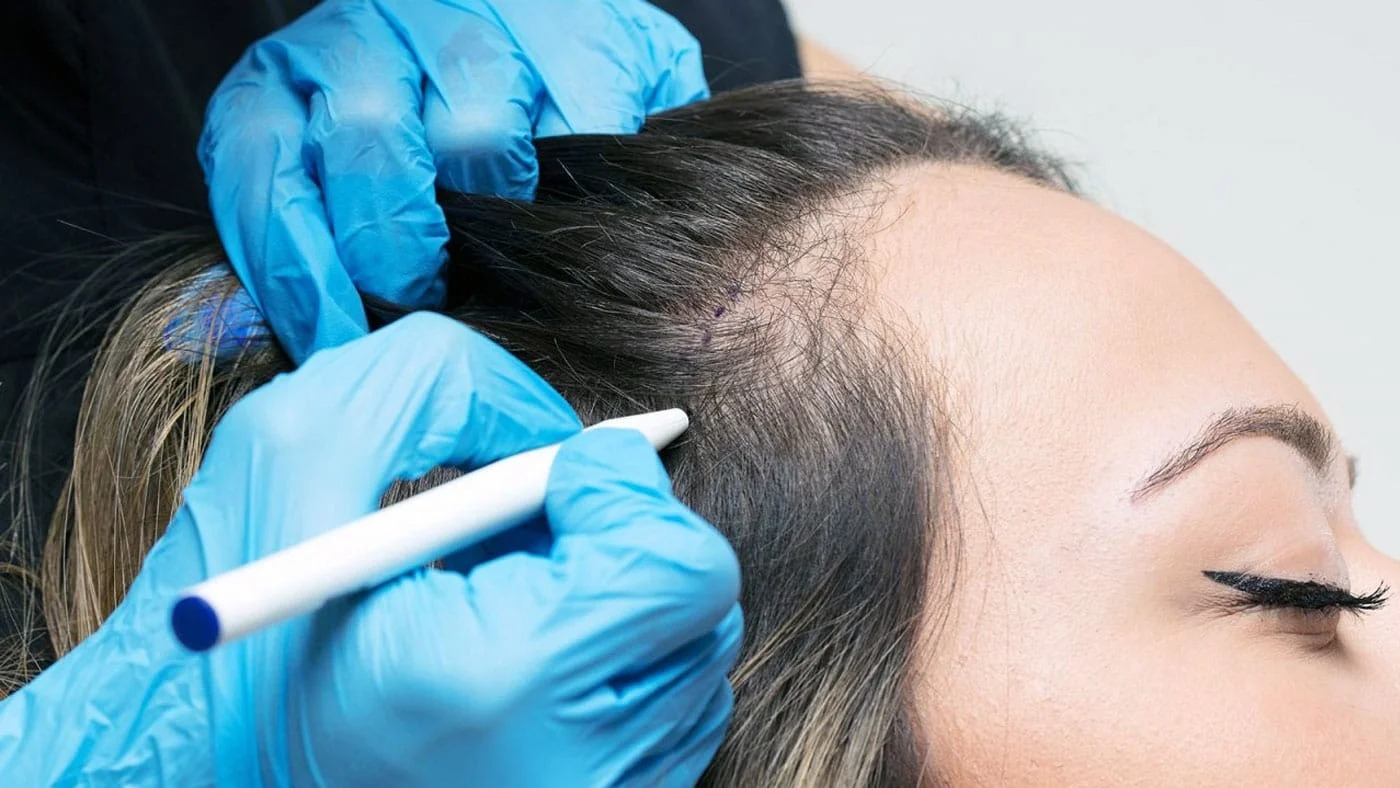
Hair loss in women can affect more than physical appearance. Reduced hair density, widening part lines, thinning around the temples, and noticeable bald patches may influence confidence and make everyday styling more challenging. Although hair thinning is commonly associated with ageing, women can experience hair loss at different stages of life due to genetic factors, hormonal changes, medical conditions, nutritional deficiencies, or certain scalp disorders. Identifying the underlying cause is essential before considering a permanent restoration procedure.
A Female Hair Transplant in Dubai offers women an option to address selected areas of hair loss by relocating healthy hair follicles from a suitable donor region to areas with reduced density. The procedure is generally considered for women with stable hair loss patterns, sufficient donor hair, and realistic expectations. However, not every type of female hair loss is suitable for transplantation. A detailed assessment helps determine whether surgery, medical treatment, or another restoration approach is more appropriate.
Dubai has several established healthcare and aesthetic facilities offering hair restoration consultations and surgical services. Choosing the right provider involves looking beyond promotional claims and considering the surgeon's experience, donor-area assessment, surgical techniques, safety protocols, and follow-up care. Understanding these factors can help women make informed decisions about achieving natural-looking hair restoration while protecting their existing hair.
Hair Restoration Clinics and Healthcare Providers in Dubai
Dynamic Life Clinic
Dynamic Life Clinic is among the aesthetic healthcare providers women may consider when researching hair restoration options in Dubai. An important part of female hair restoration is understanding the difference between generalised thinning and localised hair loss. Women experiencing reduced density across the scalp may require a different treatment approach from those with clearly defined areas of hair loss.
A professional consultation should examine scalp health, hair characteristics, donor-area density, and the potential for future thinning. Women considering transplantation should also discuss whether the procedure could affect surrounding healthy follicles and what precautions may reduce this risk.
Enfield Royal Clinic
Enfield Royal Clinic is a provider women can consider when exploring personalised hair restoration options. Female hair loss requires careful planning because the causes, distribution, and progression of thinning can differ considerably between individuals. A detailed consultation helps establish whether transplantation is suitable and which areas may benefit most from additional follicular coverage.
For women considering Female Hair Transplant in Dubai, important assessment factors include donor hair availability, scalp condition, existing hair density, and the desired hairline appearance. The treatment plan should account for natural hair growth direction and the patient's facial proportions to create a balanced appearance.
Depending on individual suitability, different follicular extraction and implantation approaches may be discussed. Patients should receive clear information about the procedure, recovery expectations, possible complications, and the likelihood of needing additional treatment. A personalised approach is particularly important for women because preserving existing hair while improving density is often a central treatment priority.
Emirates Hospital
Emirates Hospital is a recognised healthcare provider in Dubai offering a range of medical and specialist services. Women researching hair restoration may consider the importance of receiving an appropriate medical assessment before undergoing a surgical procedure.
Hair thinning can sometimes be associated with iron deficiency, thyroid disorders, hormonal changes, or other underlying health concerns. Identifying these conditions can influence the recommended treatment plan. Women should ask whether their consultation includes an assessment of possible medical causes and whether additional investigations are necessary.
When discussing transplantation, patients should clarify the surgeon's experience with female hair loss, the available techniques, and the arrangements for postoperative monitoring.
Cocoona Clinic
Cocoona Clinic is another name women may encounter when exploring cosmetic and aesthetic treatments in Dubai. Hair restoration requires a combination of technical planning and an understanding of natural hair characteristics, particularly when treating thinning around the frontal hairline, temples, or parting area.
Women considering surgery should discuss whether their donor area contains enough healthy follicles to achieve the desired coverage. The consultation should also establish whether their hair loss is stable or likely to progress.
A suitable treatment plan should explain the expected graft requirements, possible limitations, recovery period, and long-term maintenance. These details help patients understand what transplantation can realistically achieve.
King’s College Hospital London Dubai
King’s College Hospital London Dubai provides a broad range of medical services within a hospital-based healthcare environment. For women experiencing hair loss, an important consideration is whether the condition requires investigation before cosmetic intervention.
A medical evaluation can help distinguish between pattern hair loss, temporary shedding, inflammatory scalp conditions, and other causes of reduced density. This distinction matters because transplantation may not be appropriate when hair loss is active or associated with an untreated medical condition.
Women interested in surgical restoration should ask about specialist availability, treatment suitability, surgical arrangements, and postoperative support before making a decision.
Tajmeels Clinic
Tajmeels Clinic is another aesthetic provider to consider when researching hair restoration services in Dubai. Female patients may have different restoration goals, ranging from improving temple density to addressing localised thinning or enhancing coverage in selected scalp areas.
The consultation process should focus on understanding these concerns rather than recommending a standard graft number for every patient. Factors such as hair thickness, curl pattern, donor density, and scalp characteristics can influence the final appearance.
Women should also discuss the distinction between surgical transplantation and non-surgical hair restoration treatments. A qualified practitioner can explain which options may be appropriate based on the cause and extent of hair loss.
Dubai Cosmetic Surgery Clinic
Dubai Cosmetic Surgery Clinic is another provider women may research when comparing cosmetic procedures and hair restoration options. An important consideration in female transplantation is achieving a result that blends naturally with the existing hair.
The placement of individual follicles requires attention to growth direction, angle, spacing, and the patient's natural hairline. These details can influence how the transplanted area looks once the hair grows.
Women should ask about the surgical team's experience, donor-area management, infection-control procedures, and follow-up arrangements. A thorough discussion of possible limitations is equally important, especially for patients with diffuse thinning.
How to Choose the Right Clinic for Female Hair Transplant in Dubai
Selecting a suitable provider requires more than comparing treatment prices or advertised results. Female hair transplantation involves individual medical considerations, so patients should evaluate several aspects before proceeding.
Experience and Qualifications
Check the qualifications of the surgeon who will perform the procedure. Experience with female hair restoration is particularly valuable because women's hair loss patterns and donor-area requirements can differ from those typically seen in male patients. Ask about relevant surgical experience and professional licensing.
Technology and Techniques
Understand which transplantation techniques are available, including Follicular Unit Extraction (FUE) and Follicular Unit Transplantation (FUT). FUE involves removing individual follicular units, while FUT involves removing a strip of scalp from the donor region. The appropriate method depends on donor characteristics, treatment goals, and medical suitability.
Safety Standards
Confirm that the procedure takes place in an appropriately licensed facility with suitable sterilisation, anaesthesia, and emergency protocols. Patients should receive clear information about potential complications, including infection, scarring, temporary swelling, and shock loss.
Consultation Process
A proper consultation should include a medical history, scalp examination, donor-area assessment, and discussion of possible causes of hair loss. Depending on the findings, blood tests or a dermatological evaluation may be recommended before surgery.
Patient Experience
Look for transparent communication, realistic treatment planning, and accessible postoperative support. Before-and-after photographs can be useful when they represent comparable hair loss patterns and are presented with appropriate patient consent.
Expected Results
Hair transplantation does not produce immediate fullness. Transplanted hairs commonly shed during the early recovery period before new growth develops. Visible improvement generally takes several months, while the final outcome may take around 12 months or longer. Results vary according to individual healing, graft survival, and existing hair characteristics.
Frequently Asked Questions
Is female hair transplantation suitable for every woman?
No. Suitability depends on the cause and pattern of hair loss, donor-area availability, scalp health, and overall medical condition. Women with diffuse thinning or active hair loss may require medical treatment before surgery.
Which technique is commonly used for female hair transplantation?
FUE is frequently considered because it allows individual follicular units to be extracted from the donor area. FUT may also be suitable in selected cases. The surgeon should recommend a technique based on the patient's needs and donor characteristics.
How long does it take to see results after transplantation?
Initial shedding of transplanted hairs is common during the first few weeks. New growth often becomes noticeable after three to four months, with more substantial improvement developing over six to twelve months. Final results can take longer.
Will transplanted hair look natural?
Natural-looking results depend on appropriate hairline design, graft placement, growth direction, donor hair quality, and surgical technique. A carefully planned procedure aims to blend transplanted follicles with existing hair.
Can women experience hair loss again after transplantation?
Yes. Transplanted follicles may provide lasting growth, but the surrounding natural hair can continue thinning due to genetics, hormonal changes, or other underlying factors. Ongoing medical monitoring and appropriate maintenance may therefore be necessary.
Conclusion
Female hair restoration requires an individualised approach that considers the underlying cause of hair loss, available donor follicles, existing scalp density, and long-term expectations. Although transplantation can improve coverage in suitable candidates, it is not a universal solution for every type of female hair thinning. A comprehensive medical assessment and realistic treatment plan are essential before proceeding.
Women researching Female Hair Transplant should compare providers based on surgeon qualifications, experience, surgical safety, consultation quality, and postoperative care. Taking time to understand the available techniques and potential outcomes can help patients make informed decisions and pursue a restoration approach that supports natural-looking, balanced results.