
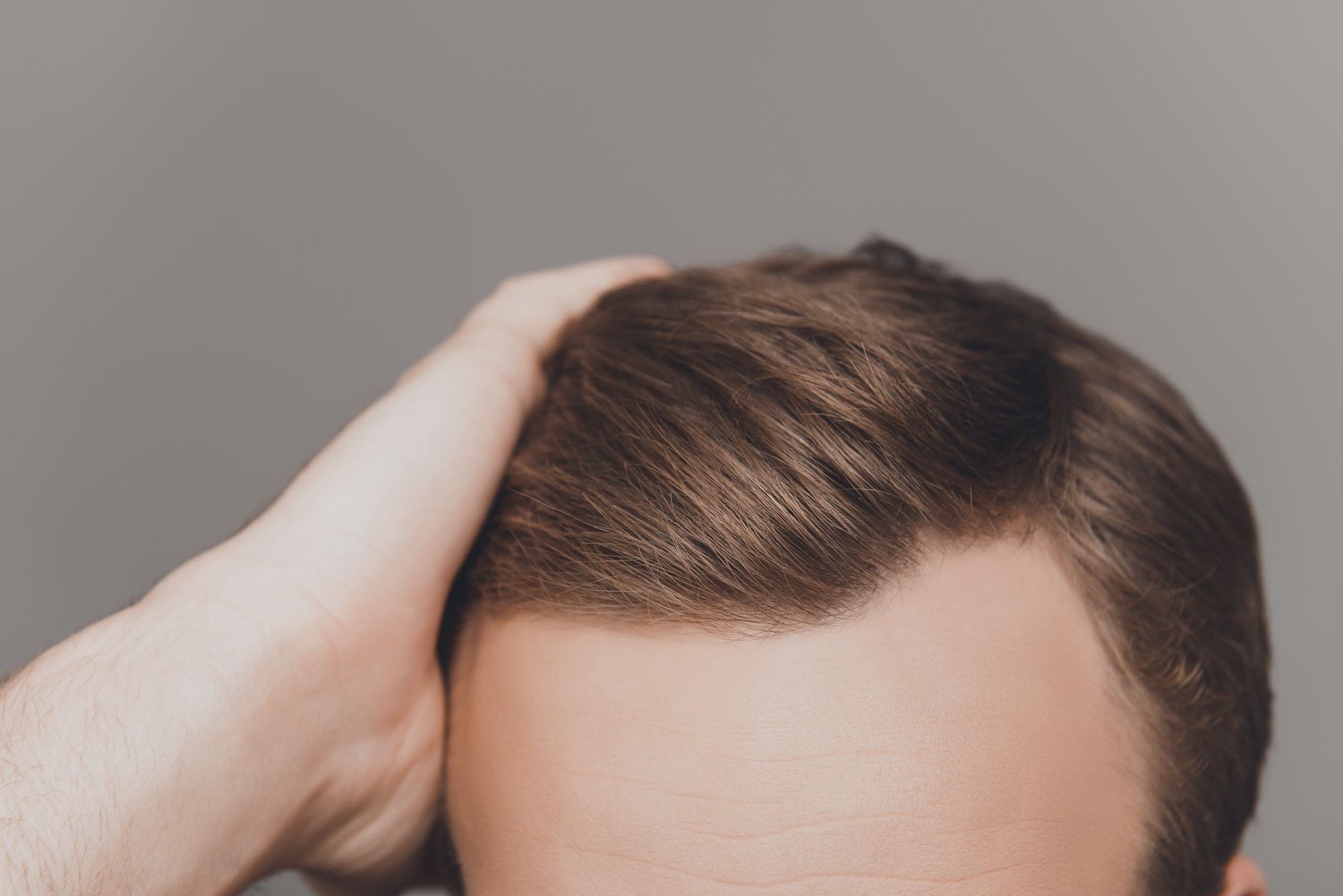
Choosing a hair system is not simply a matter of selecting a colour that resembles existing hair. A well-designed system should complement the wearer’s facial structure, natural hair characteristics, lifestyle, and preferred appearance. Factors such as hair density, texture, wave pattern, base material, hairline design, and attachment method can all influence whether the final result looks convincing and feels comfortable.
For individuals exploring Hair Replacement in Dubai, personalised selection is particularly important because expectations can vary considerably. Some people want subtle coverage for thinning areas, while others may need a system designed to provide broader coverage. The objective is generally to create visual continuity between the hair system and the person’s existing features rather than producing an obvious change.
Facial Features and Hairline Design
Facial proportions play an important role in determining the most suitable hairline. A hairline that is excessively straight, low, or dense may appear less natural, even when the hair colour is accurate.
Professionals may consider the forehead height, temple shape, facial width, and natural recession pattern when planning the front edge. Mature-looking hairlines can also be designed with appropriate irregularity and density to avoid an overly uniform appearance.
The goal is usually balance. The system should frame the face in a way that complements existing proportions rather than attempting to create an entirely different facial appearance.
Matching Hair Colour and Tone
Colour matching involves more than choosing between basic shades such as black, brown, or blonde. Natural hair often contains subtle variations in tone, particularly around the sides and back of the head.
A suitable system may therefore be selected according to the person’s dominant hair colour while considering highlights, grey strands, undertones, and the effect of lighting. This becomes especially important when the sides and back remain uncovered.
Colour should also be considered in relation to skin tone and eyebrows. A technically accurate hair colour can still look visually disconnected if it contrasts strongly with surrounding features.
Considering Natural Hair Texture
Texture is another major consideration. Straight, wavy, curly, and tightly curled hair each require different system characteristics to achieve visual consistency.
If the person has naturally wavy hair, a completely straight system may require constant styling and could create an obvious difference between the replacement hair and existing hair. Similarly, overly curly hair may look inconsistent when combined with naturally straight side hair.
Professionals may assess the existing texture, styling habits, and desired hairstyle before recommending an appropriate hair pattern.
Selecting the Appropriate Hair Density
Hair density needs to complement the wearer’s age, existing hair, and preferred appearance. Excessive density can make a system look artificial, while insufficient density may not provide the desired coverage.
A natural appearance often depends on gradual density changes. The front hairline may require lighter density than the central scalp, while the sides can be blended with the replacement hair to create a smoother transition.
This personalised approach can make the difference between a system that looks visibly added and one that integrates more naturally with the person’s appearance.
Base Material and Comfort
The base of a hair system determines how it sits against the scalp and can influence appearance, ventilation, durability, and maintenance requirements. Different materials offer different combinations of transparency, strength, flexibility, and breathability.
A very thin base may provide a discreet appearance but can require careful handling. More durable materials may be preferable for individuals with demanding routines or frequent styling requirements.
Climate can also influence the decision. Dubai’s heat and humidity make comfort and scalp ventilation relevant considerations for people considering Hair Replacement in Dubai. The attachment method and base construction should therefore be discussed according to daily activities, sweating, exercise, and maintenance preferences.
Lifestyle and Styling Preferences
The best hair system is not necessarily the one that looks ideal in a consultation room. It should also work within the person’s everyday routine.
Someone who exercises frequently may have different requirements from someone who spends most of the day indoors. Likewise, individuals who regularly swim, travel, wear particular hairstyles, or prefer minimal maintenance may need a different system design.
Styling preferences should also be discussed. The direction of the hair, length, parting position, fringe style, and degree of flexibility can all affect the final selection.
Consultation and Personal Assessment
A detailed consultation provides an opportunity to evaluate the characteristics that cannot be determined from a generic catalogue. The assessment may include the extent of hair loss, remaining hair density, scalp characteristics, facial proportions, hair texture, and expectations.
Photographs can sometimes assist with planning, but an in-person assessment allows professionals to examine the transition areas and existing hair more closely.
Patients should also ask how the system will be maintained, how frequently adjustments may be required, and what type of attachment is appropriate for their routine. Clear communication before selection can reduce misunderstandings about appearance and maintenance.
How to Choose the Right Option for Hair Replacement in Dubai
When evaluating options for Hair Replacement in Dubai, patients should look beyond photographs and promotional descriptions. Experience with customised hair-system design is important because individual requirements can differ substantially.
Technology and fitting techniques should also be considered. A provider should be able to explain how measurements, colour matching, density selection, hairline design, and attachment methods are handled.
Safety and hygiene are equally relevant. Patients should understand how the scalp is assessed and how maintenance procedures are performed. Those with scalp sensitivity or existing dermatological concerns should discuss these issues before using adhesives or other attachment products.
The consultation process is another useful indicator of quality. A thorough consultation should involve questions about lifestyle, styling expectations, maintenance tolerance, and desired appearance rather than simply recommending a standard system.
Finally, expectations should remain realistic. Hair systems can offer cosmetic coverage and styling flexibility, but their appearance depends on proper selection, fitting, maintenance, and ongoing care.
Frequently Asked Questions
Can a hair system be customised for different face shapes?
Yes. Hairline position, density, length, parting, and hairstyle can be adapted to complement different facial proportions. The aim is generally to create balance between the hairstyle and facial structure.
How is the correct hair colour selected?
Colour is usually assessed against the person’s existing hair, taking into account natural variations, grey strands, undertones, and surrounding hair. Lighting conditions can also affect how colours appear.
Does hair texture matter when selecting a hair system?
Yes. Matching the texture of existing hair can improve visual continuity and reduce the need for excessive styling. Straight, wavy, and curly hair may require different system specifications.
Is hair-system density the same for everyone?
No. Density can be adjusted according to existing hair, age, facial characteristics, the extent of coverage required, and the desired hairstyle. Excessive density may appear less natural.
How long does it take to get used to a hair system?
Adjustment varies between individuals. Familiarity with the attachment method, styling routine, maintenance requirements, and physical sensation can influence how quickly someone becomes comfortable wearing a system.
Conclusion
Selecting a hair system that complements individual features requires more than matching a basic colour. Facial proportions, hairline design, texture, density, base material, lifestyle, and styling preferences should all be considered together. A personalised assessment can help create a more cohesive appearance while ensuring that practical requirements are also addressed. For anyone considering Hair Replacement, taking time to discuss these factors can support a more informed decision and a system that fits both appearance and everyday needs.