
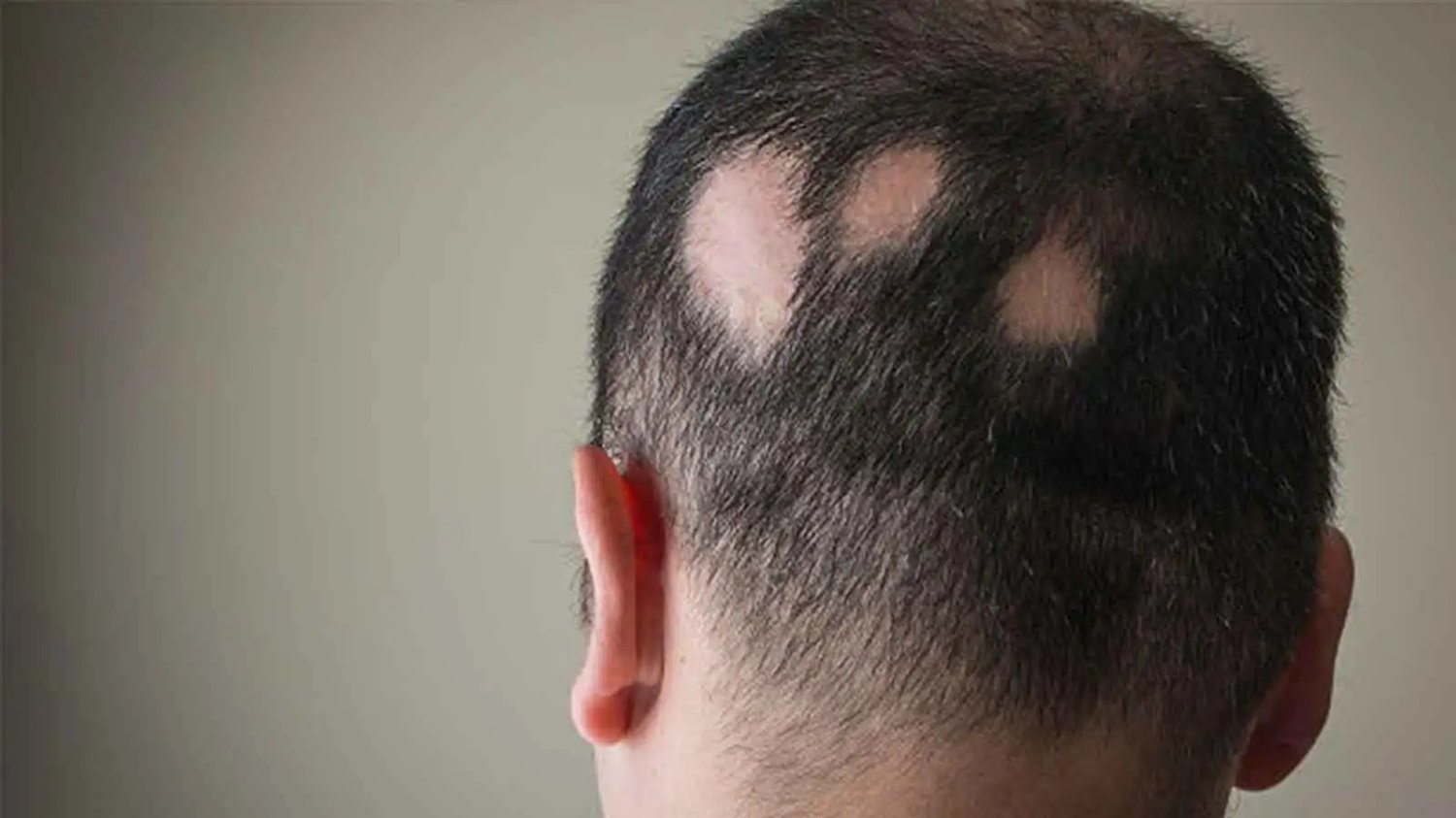
Hair loss that appears suddenly in small, round patches can be emotionally distressing and visually noticeable, often leading individuals to seek professional guidance early. This condition, known as alopecia areata, is an autoimmune-related form of hair loss that disrupts the normal hair growth cycle and leads to unpredictable shedding patterns. Modern dermatological approaches have significantly improved how this condition is managed, especially when addressed in its early stages, and many individuals explore Alopecia Areata Treatment in Dubai to understand advanced, expert-driven solutions for restoring hair density and scalp balance.
What Is Alopecia Areata and Patchy Hair Loss
Alopecia areata is a condition in which the immune system mistakenly targets healthy hair follicles, causing them to enter a dormant phase. This results in smooth, round patches of hair loss that can appear on the scalp, eyebrows, beard area, or other parts of the body. Unlike gradual thinning, this condition often appears suddenly and can progress unpredictably.
The severity varies widely. Some individuals experience only one or two small patches, while others may face more extensive hair loss. In many cases, the follicles remain alive but inactive, meaning regrowth is possible when the immune response stabilizes. This unique characteristic makes early evaluation and targeted intervention essential for improving outcomes.
Why Patchy Hair Loss Happens in Alopecia Areata
The exact cause of alopecia areata is complex and involves a combination of genetic, immunological, and environmental factors. Experts believe that certain triggers can activate the immune system abnormally, leading it to attack hair follicles as if they were foreign invaders.
Stress is often associated with flare-ups, although it is not considered a direct cause. Hormonal changes, viral infections, and underlying autoimmune tendencies may also contribute. In many cases, individuals with a family history of autoimmune conditions are more susceptible.
The unpredictable nature of patchy hair loss is one of the most challenging aspects of this condition. Hair may regrow in one area while new patches appear elsewhere, which is why structured and continuous expert supervision is crucial for managing its progression effectively.
How Experts Diagnose the Condition
Accurate diagnosis is the foundation of effective management. Experts typically begin with a detailed evaluation of the scalp and hair loss pattern. The distinctive round patches often provide initial clinical clues, but further assessment is necessary to confirm the condition.
Trichoscopic examination is commonly used to analyze the scalp at a magnified level, helping identify specific signs of follicular disruption. In some cases, laboratory tests are recommended to rule out other underlying conditions that may mimic similar symptoms.
A thorough medical history is also important, as it helps identify potential triggers or associated autoimmune disorders. This comprehensive diagnostic approach ensures that treatment strategies are tailored to the individual’s specific condition and progression pattern.
Treatment Approaches Used by Experts
Management of alopecia areata focuses on calming the immune response and encouraging hair regrowth from affected follicles. Experts often adopt a multi-layered approach depending on the severity and extent of hair loss.
Topical therapies are commonly used in early or mild cases. These treatments aim to reduce inflammation around the hair follicles and support regrowth in patchy areas. In more persistent cases, localized interventions may be considered to stimulate dormant follicles.
Systemic approaches are sometimes recommended for more widespread or rapidly progressing hair loss. These methods target the immune activity contributing to follicle disruption. The goal is not only to restore visible hair but also to stabilize the underlying immune response.
Additionally, supportive scalp therapies may be integrated to improve circulation and create a healthier environment for hair regrowth. Experts often adjust treatment plans over time, depending on how the condition responds, ensuring a flexible and personalized strategy.
Supporting Hair Regrowth and Long-Term Management
Regrowth in alopecia areata can be gradual and varies from person to person. Some individuals notice early signs of fine, soft hair returning to bald patches, which may gradually thicken over time. However, maintaining long-term stability requires consistent care and monitoring.
Experts emphasize the importance of minimizing known triggers where possible. This may include managing stress levels, maintaining a balanced lifestyle, and addressing any underlying health conditions that could influence immune activity.
Scalp health also plays a key role in supporting regrowth. Keeping the scalp nourished and avoiding harsh chemical exposure can help create a more favorable environment for follicle recovery. Regular follow-ups allow professionals to track progress and adjust strategies when necessary.
Psychological well-being is another important aspect of long-term management. Since visible hair loss can affect confidence, emotional support and reassurance are often integrated into the overall care approach.
Emotional and Psychological Support in Hair Loss Recovery
The impact of patchy hair loss extends beyond physical appearance. Many individuals experience emotional stress, reduced self-esteem, and social anxiety due to the visible nature of alopecia areata. Addressing these concerns is an essential part of comprehensive care.
Experts often encourage individuals to understand that the condition is manageable and, in many cases, reversible. Providing accurate information helps reduce fear and uncertainty. Supportive counseling or group-based encouragement can also help individuals cope more effectively during treatment.
Building confidence during the recovery process is just as important as achieving visible hair regrowth. A balanced approach that considers both physical and emotional health leads to better long-term outcomes and improved quality of life.
Conclusion
Patchy hair loss caused by alopecia areata can be unpredictable, but advancements in modern dermatological care have made it increasingly manageable through structured evaluation and targeted interventions. Understanding the immune-related nature of the condition and addressing it early significantly improves the chances of regrowth and stability. With a comprehensive, expert-guided approach, individuals can regain not only hair density but also confidence and emotional balance, making Alopecia Areata Treatment an important consideration for those seeking effective and long-term solutions.