
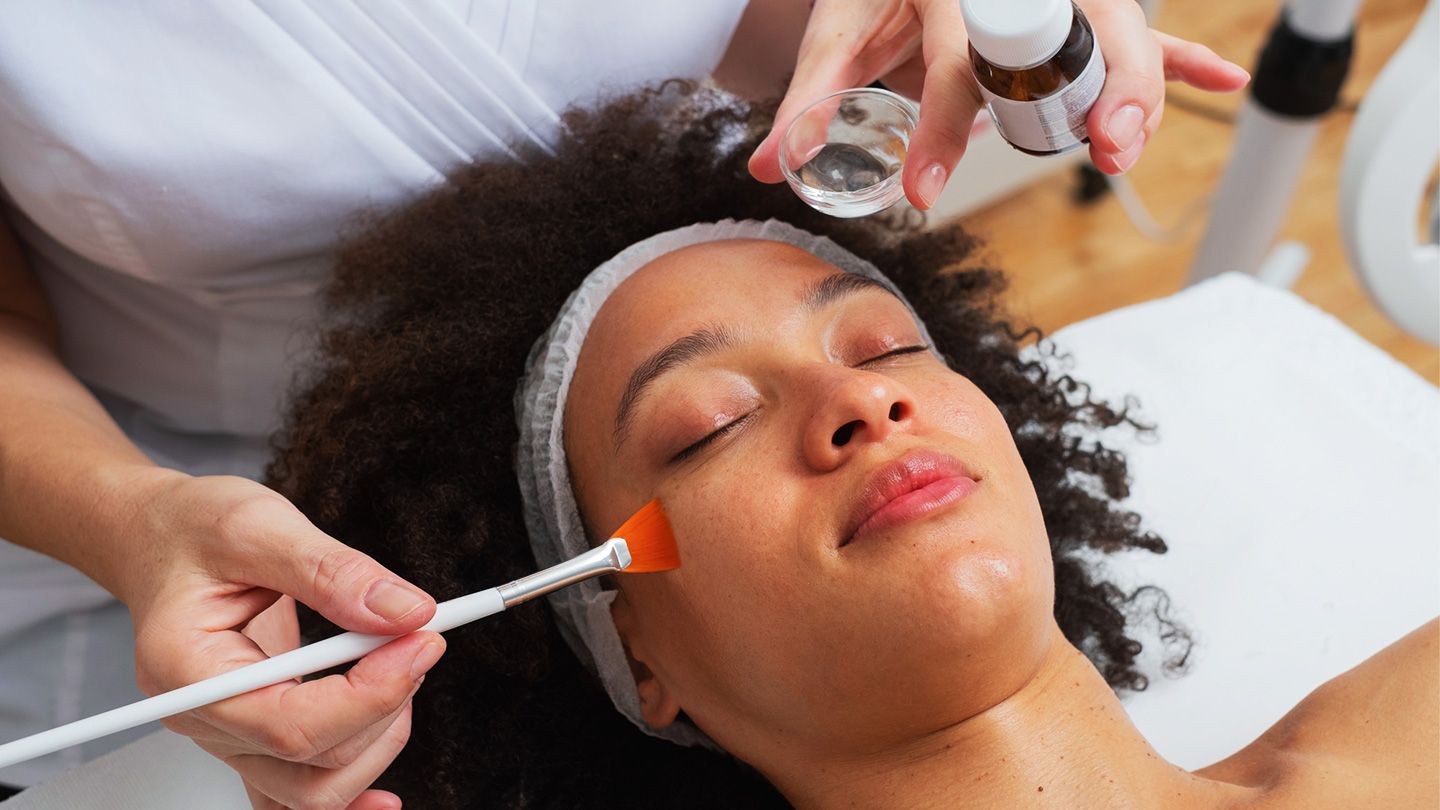
Healthy-looking skin often reflects a combination of consistent skincare, sun protection, and treatments suited to individual skin concerns. However, factors such as sun exposure, environmental pollution, hormonal changes, ageing, and acne can affect the skin's texture and overall appearance. Uneven skin tone, dullness, mild pigmentation, and rough patches may develop gradually, making the complexion appear less radiant. The treatment involves applying a carefully selected chemical solution to the skin. Depending on its formulation, concentration, and depth of application, it may help improve uneven pigmentation, mild acne concerns, fine lines, and certain textural irregularities. Some peels work primarily on the outermost skin layer, while others penetrate more deeply and require additional recovery time. The appropriate approach depends on skin type, sensitivity, medical history, and the results a person hopes to achieve. Chemical peels in Dubai may help address these concerns by removing damaged surface skin cells and supporting natural renewal. Choosing a suitable treatment requires more than selecting a popular procedure. A professional assessment helps determine whether a peel is appropriate and which formulation may offer a reasonable balance between potential benefits and risks. Factors such as existing skin conditions, recent treatments, medication use, and the likelihood of post-inflammatory pigmentation should be considered before proceeding.
For individuals seeking a smoother and more balanced complexion, Chemical peels may form part of a personalised skincare plan. Understanding the treatment process, available options, and importance of professional guidance can help individuals make informed decisions about their skin health.
Understanding the Benefits of Chemical Peels
A chemical peel works by applying an exfoliating solution that encourages controlled shedding of skin cells. As the treated skin renews itself, some surface irregularities and pigmentation concerns may gradually become less noticeable. The extent of improvement depends on the peel's strength, the condition being treated, and the individual's skin response.
Superficial peels are generally used for mild concerns, including dullness, uneven texture, and some forms of superficial pigmentation. Medium-depth treatments may address more noticeable sun damage and selected textural concerns, although they involve greater recovery requirements. Deeper peels are more intensive and require careful specialist assessment because they carry higher risks.
Possible benefits include a more even-looking complexion, improved skin smoothness, and a fresher appearance. Certain formulations may also help manage acne-related concerns by supporting exfoliation and reducing the accumulation of dead skin cells. However, results are not identical for everyone, and some conditions require additional treatments rather than a peel alone.
Temporary redness, dryness, peeling, sensitivity, and changes in pigmentation can occur. Rarely, more significant complications, including infection or scarring, may develop. Professional assessment and appropriate aftercare are important for reducing these risks.
Clinics to Consider for Professional Skin Treatments
Tajmeels Clinic
Tajmeels Clinic may be considered by individuals exploring professional aesthetic treatments for improving skin appearance. When evaluating a provider for a chemical peel, prospective patients should enquire about the available formulations, the clinician's qualifications, and how treatments are adapted to different skin types.
A thorough consultation should identify the primary concern, whether it involves dullness, uneven tone, acne-related marks, or rough texture. The clinician should also discuss realistic expectations, possible reactions, and the recovery period associated with the proposed treatment.
Patients can ask whether a superficial or medium-depth peel is appropriate for their skin condition and what preparation may be necessary. Understanding these details before treatment helps individuals make a more informed decision.
Dynamic Life Clinic
Dynamic Life Clinic is another name individuals may explore when researching aesthetic skin services. Choosing a suitable provider involves understanding the assessment process and confirming that the recommended procedure is appropriate for the individual's skin condition.
Before undergoing a peel, patients should discuss previous skincare treatments, prescription products, sensitivity, and any history of pigmentation changes. These details can influence the choice of exfoliating agents and the intensity of treatment.
A personalised plan may include professional exfoliation alongside a consistent skincare routine, depending on the concern being addressed. Patients should also receive clear instructions about moisturising, sun protection, and temporarily avoiding potentially irritating skincare ingredients. These measures support recovery and help reduce the likelihood of unwanted pigmentation changes.
Enfield Royal Clinic
Enfield Royal Clinic is an option for individuals researching aesthetic skin treatments and personalised approaches to improving complexion and texture. Anyone considering Chemical peels should seek a consultation that evaluates their skin type, concerns, medical history, and suitability for the proposed formulation.
A professional discussion can help establish whether the primary goal is improving superficial pigmentation, addressing mild acne-related concerns, or refining uneven texture. The clinician should explain the expected treatment process, the likely recovery period, and any limitations associated with the selected peel.
Individuals with sensitive skin or a tendency to develop dark marks after inflammation may need a more cautious approach. Appropriate product selection, controlled application, and clear aftercare instructions are particularly important for reducing avoidable complications.
Patients should also understand that a peel may not resolve every skin concern. Deeper acne scars, persistent pigmentation, and certain skin conditions may require alternative or combined approaches. A treatment plan based on a proper assessment is more useful than choosing a procedure solely because it is popular.
A Personalised Approach to Treatment Planning
When considering any aesthetic provider, patients should prioritise the quality of the consultation rather than relying exclusively on promotional descriptions. The clinician should explain why a particular treatment is being recommended and discuss reasonable alternatives when appropriate.
It is also useful to ask about the products used, the experience of the treating professional, and the arrangements available if an unexpected reaction occurs. Clear communication helps individuals understand the benefits and limitations of the proposed treatment before making a decision.
Evaluating the Overall Patient Experience
The treatment experience includes more than the procedure itself. A suitable provider should explain preparation requirements, the sensations that may occur during application, and the expected appearance of the skin during recovery.
Patients should know when to contact the clinic if they experience severe pain, increasing redness, blistering, or other concerning symptoms. Follow-up guidance and realistic expectations are important parts of responsible aesthetic care.
How to Choose the Right Clinic for Chemical Peels
Selecting an appropriate clinic requires attention to clinical expertise, treatment suitability, and safety practices. A well-informed decision begins with understanding the individual's skin concerns and identifying a provider who can explain the available options clearly.
Experience and Qualifications
Confirm that the treatment will be performed or supervised by a suitably qualified healthcare professional with relevant experience in chemical peels. Experience with different skin types is especially important because the risk of post-inflammatory pigmentation can vary according to skin tone and individual history.
Patients should feel comfortable asking about the clinician's training and experience managing complications.
Technology and Treatment Techniques
Different peels use different active ingredients, concentrations, and application methods. Common options include glycolic acid, lactic acid, salicylic acid, and trichloroacetic acid formulations, each with distinct properties and uses.
The most suitable option depends on the concern being treated, the depth required, and the patient's tolerance. A stronger peel is not automatically better, and a conservative treatment may be more appropriate for sensitive or pigmentation-prone skin.
Safety Standards
A clinic should follow appropriate hygiene practices, use suitable products, and assess potential contraindications before treatment. Patients should disclose medication use, previous cosmetic procedures, active skin infections, cold sore history, and any tendency toward abnormal scarring.
Sun protection is particularly important because treated skin may become more sensitive. Individuals should also follow the clinician's guidance on avoiding excessive exfoliation and irritating skincare ingredients during recovery.
Consultation Process
A useful consultation should cover the patient's concerns, medical history, current skincare routine, previous treatment experiences, and expectations. The clinician should explain the proposed peel, possible benefits, risks, alternatives, and anticipated recovery period.
Patients should have enough information to decide whether to proceed without feeling pressured into treatment.
Patient Experience and Expected Results
Look for a provider that communicates clearly and offers practical recovery guidance. Ask what level of redness, dryness, or peeling may occur and how long it may take for the skin to settle.
Improvements can vary according to the skin concern and treatment depth. Superficial peels may require several sessions, while more intensive procedures can involve longer recovery and additional risks. No responsible provider should guarantee a particular outcome.
Frequently Asked Questions
What skin concerns can chemical peels help improve?
Chemical peels may help improve dullness, uneven skin tone, superficial pigmentation, mild acne, and certain textural irregularities. The extent of improvement depends on the formulation, treatment depth, and individual skin characteristics. Deeper scars and persistent pigmentation may need other treatments.
Are chemical peels suitable for every skin type?
No. Suitability depends on skin sensitivity, medical history, current skin conditions, and the risk of pigmentation changes. People with darker skin tones may need carefully selected formulations and conservative treatment approaches to reduce the risk of post-inflammatory hyperpigmentation.
How long does the skin take to recover after a peel?
Recovery varies with treatment depth and individual skin response. Mild superficial peels may cause temporary dryness, redness, or light flaking over several days. Medium-depth peels can involve a longer recovery period. Patients should follow the treating professional's instructions rather than picking or pulling away peeling skin.
How many sessions may be needed?
The number of sessions depends on the skin concern, the selected formulation, and the degree of improvement desired. Some superficial treatments are performed as a series of sessions, while other procedures may require a different schedule. The appropriate interval should be determined by a qualified professional.
What should be avoided after a chemical peel?
Patients are generally advised to avoid direct sun exposure, tanning, picking or peeling the skin, and irritating skincare ingredients until the skin has recovered. Gentle cleansing, suitable moisturising, and broad-spectrum sunscreen are important. The treating professional should provide specific instructions based on the treatment performed.
Conclusion
Achieving a smoother and more refined complexion often begins with understanding the skin's individual needs. Chemical peels may help improve selected concerns, including dullness, superficial pigmentation, mild acne, and uneven texture, when the treatment is appropriately selected and professionally administered.
Choosing a suitable clinic involves evaluating qualifications, safety practices, consultation quality, and the clarity of the recovery guidance provided. Individuals should also consider their skin type, medical history, and expectations before proceeding. With a personalised treatment plan and consistent sun protection, a peel may form part of a broader approach to maintaining healthy-looking skin. Professional advice remains essential for determining whether the procedure is appropriate and identifying the safest option for each individual.