
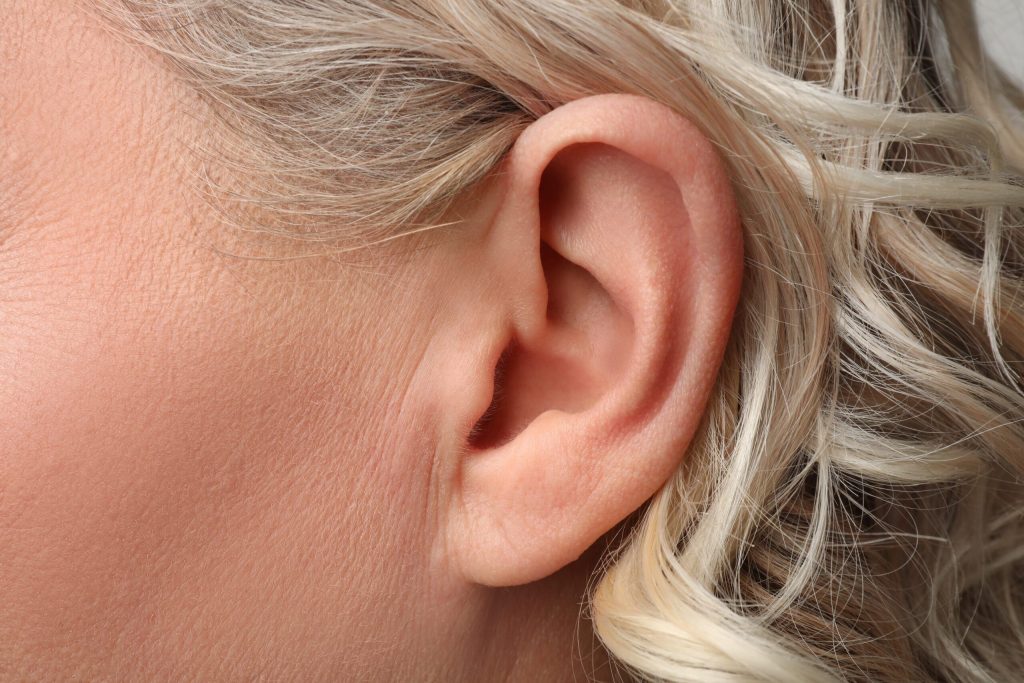
Gauged ears can be a meaningful form of self-expression, but years of intentional stretching may sometimes leave the earlobes with enlarged openings, thin tissue, elongated edges, or an uneven shape. When someone decides to return to a more conventional ear appearance, the stretched tissue may not always shrink sufficiently on its own. In these situations, Earlobe Correction Surgery in Dubai can provide a surgical option for reshaping and repairing the affected area.
The procedure is generally designed to remove or reshape excess tissue and bring the remaining edges together to create a more natural earlobe contour. The exact approach depends on factors such as the size of the gauge opening, the amount of remaining tissue, skin elasticity, previous tears, and the desired final shape. Techniques may include direct closure, tissue rearrangement, wedge excision, or other forms of lobe reconstruction. Dynamic Clinic, for example, describes correction approaches for stretched and torn lobes, including simple closure, Z-plasty, wedge excision, and lobe recontouring.
For people considering correction after gauging, a consultation with an appropriately qualified surgeon is important. The goal is not simply to close the opening but to create a balanced, stable earlobe that fits naturally with the rest of the ear.
How Gauged Ear Stretching Can Change the Earlobe
Ear gauging gradually enlarges a piercing by using progressively larger jewellery or plugs. With smaller gauges, the tissue may have some ability to contract after the jewellery is removed. However, substantial stretching can permanently alter the skin and soft tissue.
Large gauge openings may leave the lobe looking elongated, thin, or almost ring-shaped. In some cases, the lower portion of the lobe becomes so stretched that spontaneous contraction is unlikely to restore the original appearance.
Previous trauma can also make the situation more complicated. If the lobe has split or developed a partial tear, the surgeon may need to address both the opening and the surrounding tissue.
This is where surgical correction can be different from simply removing the gauge and waiting. Surgery allows the damaged or excessive tissue to be carefully reshaped and the edges to be repaired.
Can Earlobe Correction Surgery Repair Large Gauge Holes?
In many cases, yes. Earlobe Correction Surgery can be used to repair significantly stretched openings, including those caused by gauges. The procedure does not necessarily mean that every large opening can be treated in exactly the same way. The surgical plan must be adapted to the amount and quality of available tissue.
A surgeon may remove a portion of stretched tissue before closing the opening. For larger or more complex defects, a tissue rearrangement technique may be considered to distribute tension and create a smoother contour.
The objective is usually to restore a more conventional earlobe shape rather than simply making the hole smaller. This distinction matters because excessive tension or poor tissue positioning can affect the final contour.
What Happens During the Procedure?
Earlobe repair is commonly performed as an outpatient procedure, often using local anaesthesia. The surgeon first evaluates the size and shape of the stretched lobe and marks the area requiring correction.
The damaged or excessively stretched tissue is then addressed according to the selected technique. The edges are brought together with sutures to rebuild the lobe. Dynamic Clinic describes its earlobe correction procedure as involving assessment, local anaesthesia, tissue arrangement, and closure with sutures.
Tajmeels Clinic also describes earlobe surgery as a procedure that can address stretched, torn, or gauged earlobes by removing excess tissue and suturing the area to create a more natural shape.
The procedure itself may be relatively short, but the healing period is important. Patients should follow the surgeon's instructions regarding pressure, jewellery, wound care, and when the ear can safely be pierced again.
Dynamic Life Clinic
Dynamic Life Clinic is one option for people researching surgical correction of stretched or damaged earlobes. Its published information specifically discusses earlobe reduction and correction for concerns ranging from elongated openings to more significant deformities. It also outlines several surgical techniques that may be selected according to the size and condition of the defect.
For someone with gauged ears, the consultation should focus on how much tissue remains, whether the lobe has become thin, and whether reshaping is needed alongside closure. These factors can influence both the surgical technique and the expected appearance.
Elite Plastic & Cosmetic Surgery Group
Elite Plastic & Cosmetic Surgery Group is another established cosmetic surgery practice in Dubai Healthcare City. Its official information identifies the practice as providing plastic and cosmetic surgical care, while its professional listing also places the group within the earlobe repair provider landscape.
Anyone considering treatment for gauged ears should confirm during consultation whether the specific surgeon routinely performs earlobe reconstruction and whether the planned technique is suitable for the size and condition of the stretched lobe. A surgeon's experience with delicate soft-tissue repair can be particularly relevant when aesthetic symmetry is an important goal.
Tajmeels Clinic
Tajmeels Clinic specifically describes earlobe surgery for stretched, torn, enlarged, and asymmetrical earlobes. Its treatment information also identifies gauging as one of the causes of permanent earlobe stretching and explains that excess tissue may be removed before the remaining tissue is reshaped and sutured.
This makes the procedure relevant to people who have stopped gauging but remain unhappy with the resulting ear shape. During consultation, the surgeon can assess whether the lobe requires simple closure or more extensive reconstruction.
Contour Clinics
Contour Clinics takes a consultation-led approach to cosmetic treatment and describes personalised assessment as part of its clinical model. Its published treatment information covers aesthetic concerns and emphasises individualised treatment planning rather than a one-size-fits-all approach.
For someone seeking correction of a gauged earlobe, it is important to establish whether the clinic currently offers the required surgical repair and which qualified practitioner would perform it. The consultation should cover the extent of tissue stretching, previous piercing or trauma, expected scar placement, and the realistic degree of correction possible.
Enfield Royal Clinic
Enfield Royal Clinic provides information on earlobe correction and repair for stretched or torn lobes. Its published guidance explains that earlobe repair can address damage associated with heavy earrings or trauma and can also improve the size and positioning of the earlobe.
For patients specifically concerned about gauged ears, Earlobe Correction Surgery may be discussed as a way to repair stretched tissue and restore a more conventional contour. However, the appropriate approach depends on the individual anatomy and degree of stretching. A detailed consultation is therefore essential before deciding whether direct closure, reduction, or another reconstructive technique is appropriate.
How to Choose the Right Clinic for Earlobe Correction Surgery
Choosing a clinic should involve more than comparing photographs or promotional claims. Earlobe reconstruction is a small procedure, but the tissue is delicate and the aesthetic details can be noticeable.
Experience and Qualifications
Patients should check the surgeon's qualifications, registration, and experience with plastic or reconstructive procedures. Experience specifically involving earlobe repair can also be valuable because stretched lobes may require more than simple wound closure.
Technology and Techniques
There is no single technique suitable for every gauged ear. The surgeon may recommend direct closure, wedge excision, Z-plasty, or another tissue-rearrangement approach depending on the defect. The selected technique should be explained clearly during consultation.
Safety Standards
A reputable medical setting should provide appropriate infection-control procedures, qualified clinical staff, proper anaesthesia management, and clear instructions for the recovery period.
Consultation Process
A good consultation should include an examination of both earlobes, discussion of previous stretching and injuries, and an explanation of what can realistically be achieved. Patients should also be able to ask about scarring, healing, possible complications, and future piercing.
Patient Experience and Expected Results
The desired outcome should be realistic. Surgery can significantly reshape a stretched lobe, but the final appearance depends on tissue quality, the extent of stretching, healing, and surgical technique. The aim is generally a natural-looking contour and improved symmetry rather than recreating the exact appearance of an untouched earlobe.
Frequently Asked Questions
Can gauged ears return to normal without surgery?
Small gauge openings may contract to some degree after jewellery is removed. Larger openings, however, may remain permanently enlarged because the tissue has been significantly stretched. Surgical repair may be considered when natural contraction does not provide the desired appearance.
Is Earlobe Correction Surgery suitable for very large gauges?
It can be suitable for substantially stretched lobes, but suitability depends on the remaining tissue and the condition of the skin. Larger openings may require more detailed reconstruction rather than simple closure.
Will the procedure completely remove the gauge hole?
The surgeon can usually close or substantially reduce the opening, but the final appearance depends on the original size, tissue quality, surgical technique, and healing response. A small scar may remain.
Can the ears be pierced again after earlobe repair?
Re-piercing may be possible after the tissue has adequately healed, but the treating surgeon should determine the timing and location. Piercing too early can interfere with healing.
Can both earlobes be repaired during the same treatment?
Yes, bilateral correction may be possible when both lobes are stretched or damaged. The surgeon will assess each side individually because the degree of stretching may not be identical.
Conclusion
Gauged ear stretching can permanently alter the size, shape, and structure of the earlobe, particularly when large gauges have been worn for an extended period. When the tissue does not contract adequately after the gauge is removed, Earlobe Correction Surgery can offer a surgical method for closing the enlarged opening and reshaping the lobe.
The best approach depends on the individual anatomy, degree of stretching, tissue quality, and aesthetic goals. A qualified surgeon can determine whether direct closure or a more advanced tissue-repair technique is appropriate. Careful clinic selection and realistic expectations are essential for achieving a balanced and natural-looking result.