
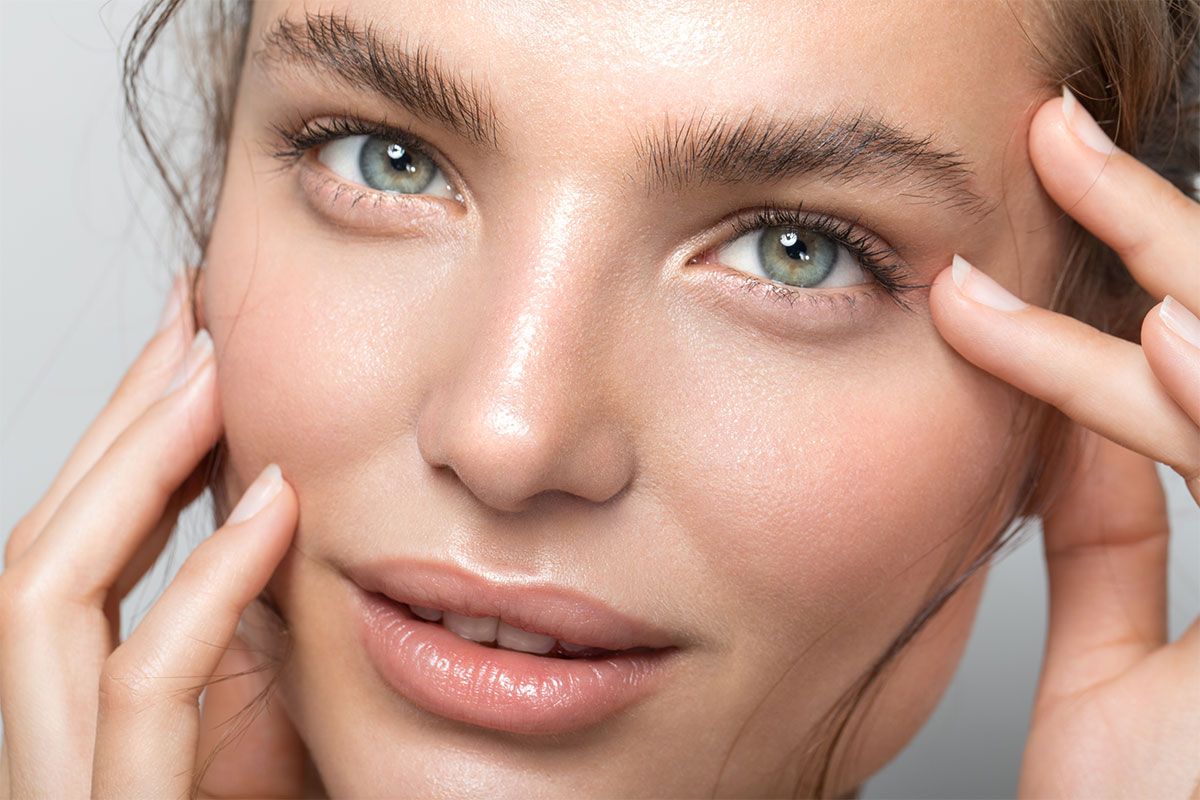
The eyes are often one of the first areas where subtle signs of aging become noticeable. Loose eyelid skin, under-eye puffiness, fine lines, and excess fat can make the eye area appear tired even when a person feels refreshed. Blepharoplasty, also known as eyelid surgery, is designed to improve the appearance of the upper eyelids, lower eyelids, or both. Depending on the individual’s anatomy and treatment goals, a surgeon may remove or reposition excess skin and fat and, when appropriate, address underlying tissues. The objective is not simply to make the eyelids look tighter, but to create a balanced result that complements the surrounding facial features. For people looking for a more defined and rested appearance, Blepharoplasty in Dubai may be considered as a surgical option to address some of these visible concerns.
It is important to understand that eyelid surgery does not literally brighten the natural color of the skin. However, reducing heavy folds, excess skin, or prominent fat pockets may make the eye area appear more open and refreshed. Smoother contours can also reduce the visual effect of tired-looking eyes.
Whether the procedure is appropriate depends on factors such as eyelid anatomy, skin quality, facial proportions, medical history, and expectations. A qualified consultation is therefore essential before deciding whether surgery is the right approach.
Why Can Blepharoplasty Make the Eye Area Look Brighter?
A tired-looking eye area can result from several structural changes rather than pigmentation alone. With age, the skin may lose elasticity, while fat compartments and supporting tissues can change position. These changes may contribute to hooding, puffiness, or shadows around the eyes.
By addressing selected excess tissue, eyelid surgery can create a cleaner transition around the eyes. Upper eyelid surgery may reduce the appearance of heavy folds, while lower eyelid surgery can address certain forms of under-eye bags or excess skin.
The perceived brightness comes primarily from improved contour and exposure of the natural eye area. It should not be confused with skin-lightening treatment.
Can It Improve Eyelid Smoothness?
Yes, in appropriate candidates, eyelid surgery can improve the appearance of loose or excess eyelid skin. The procedure may create a smoother upper eyelid contour or a more refined lower eyelid transition.
However, not every line or wrinkle around the eyes is caused by excess skin. Fine lines caused by skin texture, repeated facial movement, sun exposure, or reduced collagen may require different approaches. A surgeon should assess the source of the concern before recommending treatment.
This distinction is important because the best result often comes from selecting the procedure according to the underlying cause rather than trying to correct every visible sign with surgery.
What to Expect From a Blepharoplasty Consultation
A detailed consultation should begin with an assessment of the upper and lower eyelids and the surrounding facial structures. The surgeon may evaluate skin laxity, fat distribution, eyelid position, brow position, symmetry, and the relationship between the eyelids and eyebrows.
Medical history is also relevant. Existing eye conditions, previous eye procedures, medications, allergies, and general health can influence surgical planning and safety.
Patients should use the consultation to explain what bothers them about their appearance. Some people may want less upper eyelid heaviness, while others may be more concerned about lower eyelid puffiness. Clear communication helps the surgeon determine whether eyelid surgery alone is appropriate.
Clinic Options to Consider
Tajmeels Clinic
Tajmeels Clinic can be considered by individuals researching aesthetic treatment providers for eyelid concerns. When evaluating a clinic for eyelid surgery, patients should look beyond general cosmetic services and investigate the qualifications and experience of the surgeon performing the procedure.
For Blepharoplasty, the consultation should include an individualized assessment of eyelid anatomy, concerns about excess skin or puffiness, and the type of result that can realistically be achieved. Patients should also feel comfortable asking about surgical techniques, anesthesia, potential risks, recovery expectations, and follow-up arrangements.
Dynamic Life Clinic
Dynamic Life Clinic may also be considered when comparing providers for aesthetic eyelid procedures. Patients researching eyelid surgery should assess whether the clinical team offers an appropriate consultation process and whether treatment recommendations are based on individual anatomy rather than a standardized approach.
A suitable evaluation can help determine whether surgery is likely to address the specific concern. In some cases, the main issue may be excess eyelid skin, while in others it may involve fat distribution, brow position, skin quality, or another structural factor.
The aim should always be a proportionate result that maintains the natural character of the eyes.
Enfield Royal Clinic
Enfield Royal Clinic is another option patients may explore when researching eyelid enhancement and cosmetic surgery services. For Blepharoplasty, an important part of the decision-making process is determining whether the planned treatment matches the patient’s facial anatomy and aesthetic objectives.
A strong consultation should focus on proportion and natural-looking improvement rather than excessive tightening. Patients can discuss concerns such as upper eyelid heaviness, visible excess skin, or lower eyelid puffiness and ask how the proposed approach could affect overall eye appearance.
Prospective patients should also verify the surgeon’s credentials, review the clinic’s safety standards, and understand the potential benefits and limitations before proceeding.
How to Choose the Right Clinic for Blepharoplasty
Experience and Qualifications
Eyelid surgery requires detailed knowledge of facial anatomy and the structures surrounding the eyes. Patients should check the surgeon’s qualifications, relevant surgical training, and experience with eyelid procedures.
Experience is particularly important because the eyelids are delicate structures, and surgical planning needs to account for function as well as appearance.
Technology and Techniques
Modern surgical planning can involve careful examination, photography, and individualized technique selection. The appropriate approach may differ between upper and lower eyelid surgery.
Patients should ask why a particular technique has been recommended and how it relates to their anatomy. Technology can support assessment and planning, but surgical expertise remains central to achieving a safe and balanced outcome.
Safety Standards
Safety should be a priority when selecting a clinic. Patients should understand where the procedure will take place, who will provide anesthesia when required, how potential complications are managed, and what medical support is available.
A reputable provider should explain the risks clearly instead of presenting surgery as completely risk-free.
Consultation Process
A thorough consultation should never feel rushed. Patients should have an opportunity to discuss their concerns, medical history, expectations, and questions.
The surgeon should also explain whether upper eyelid surgery, lower eyelid surgery, or another approach is more suitable. If surgery is unlikely to provide the desired improvement, that should be discussed honestly.
Patient Experience
A positive patient experience includes clear communication before and after treatment. Patients should know what the procedure involves, what temporary changes may occur, and when follow-up appointments are expected.
It can also be useful to ask how the clinic handles questions or concerns during the recovery period.
Expected Results
Realistic expectations are essential. Eyelid surgery may improve excess skin, certain forms of puffiness, and eyelid contour, but it does not stop the natural aging process.
It also does not necessarily eliminate every fine line or change the natural pigmentation of the eyelid skin. Understanding these limitations helps patients make informed decisions.
Frequently Asked Questions
Does Blepharoplasty make eyelids look brighter?
It can make the eye area appear more refreshed and open by improving excess skin, puffiness, or heavy eyelid contours. However, it is not a skin-lightening procedure and does not directly change natural eyelid pigmentation.
Can Blepharoplasty smooth fine lines around the eyes?
It may improve lines associated with excess or loose skin, particularly on the eyelids. Fine lines caused by skin texture or facial movement may remain and could require a different treatment approach.
Is eyelid surgery suitable for everyone?
No. Suitability depends on factors such as eyelid anatomy, skin condition, general health, eye health, and personal expectations. A qualified surgeon needs to assess the individual before recommending surgery.
Can upper and lower eyelids be treated together?
In suitable candidates, upper and lower eyelid surgery can sometimes be performed during the same treatment plan. The decision depends on the patient’s anatomy, goals, and overall medical assessment.
How natural can the results look?
The goal of well-planned eyelid surgery is generally to create a balanced appearance rather than an obviously operated look. Surgical technique, conservative tissue management, and appropriate planning all influence the outcome.
Conclusion
Blepharoplasty can be effective for improving the appearance of eyelids affected by excess skin, certain types of puffiness, and age-related changes in contour. By creating a cleaner and more defined eyelid shape, the procedure may help the eyes appear more open, rested, and visually refreshed.
However, brighter-looking eyes do not necessarily mean lighter skin. The perceived improvement usually comes from better contours and reduced heaviness around the eyes. Choosing an appropriately qualified surgeon, understanding the available techniques, and maintaining realistic expectations are essential parts of the process.
Anyone considering eyelid surgery should arrange a professional consultation to determine whether the procedure is suitable for their anatomy and aesthetic goals.