
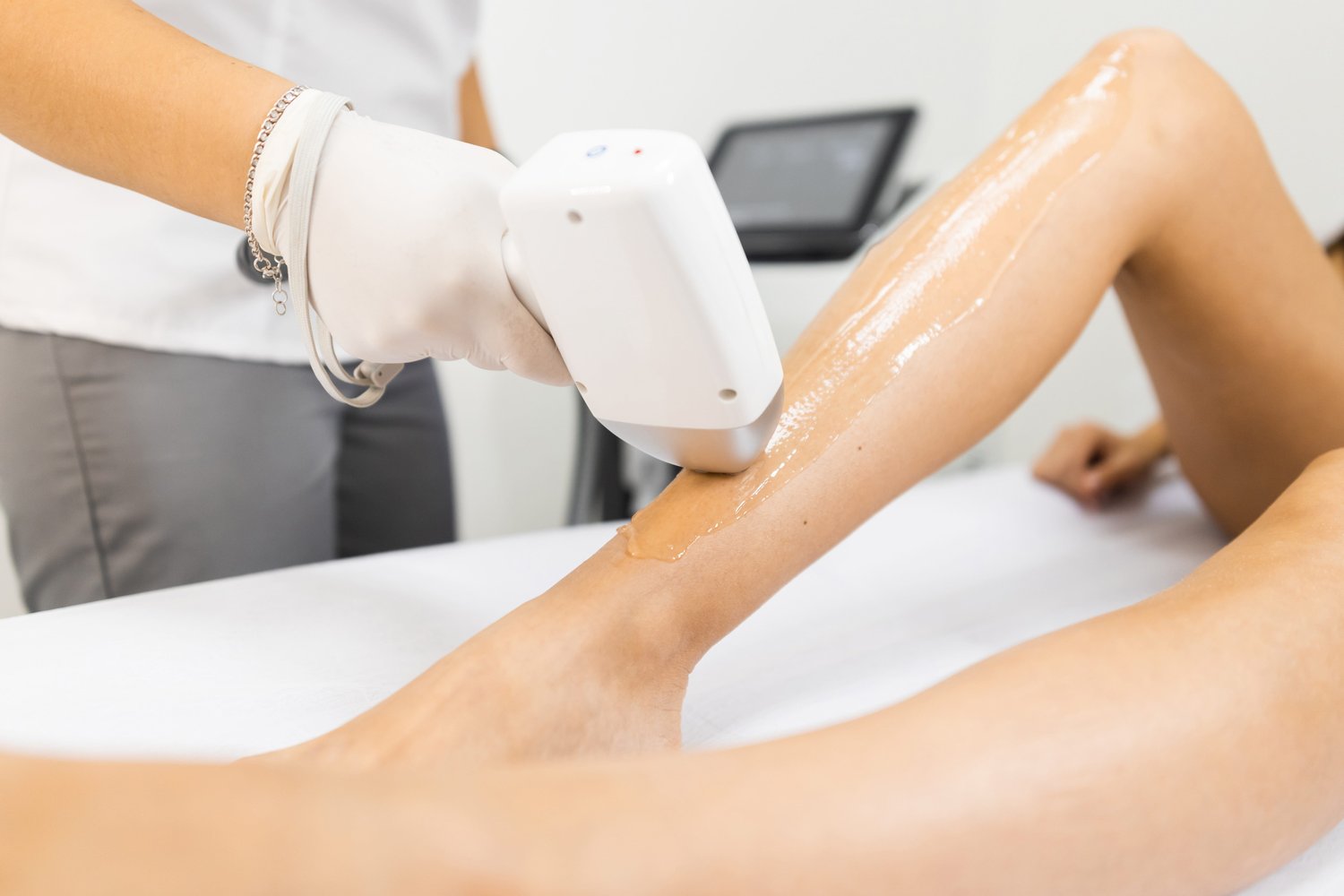
Hair removal has been practiced for centuries, and with technological advancements, methods have evolved. Among them, laser hair removal (LHR) has become a common option. From an Islamic point of view, the permissibility of any action depends on its alignment with Shariah principles. In Islam, cleanliness is emphasized, and removing certain types of hair is not just permitted but encouraged. The discussion around LHR centers on whether it aligns with Islamic values and rulings.The question arised Is laser hair removal Haram
The Concept of Cleanliness in Islam
Purification and Personal Hygiene
Islam places significant importance on personal hygiene and cleanliness. This is reflected in daily rituals such as wudu (ablution) and ghusl (ritual bath). Hair removal, especially from specific areas of the body, is closely tied to cleanliness. The removal of pubic and underarm hair is considered part of fitrah (natural disposition) and is recommended for both men and women.
Traditions of the Prophet (PBUH)
Several hadiths emphasize the importance of removing hair from certain parts of the body. The Prophet Muhammad (peace be upon him) highlighted practices like trimming the mustache, cutting nails, and removing armpit and pubic hair as part of the fitrah. These acts are considered to maintain physical cleanliness and spiritual purity. These teachings establish a clear precedent that hair removal, in itself, is not only permissible but sometimes necessary.
Permissible and Impermissible Areas for Hair Removal
Hair That Should Be Removed
Islamic scholars agree on the obligation or strong recommendation to remove hair from the armpits and pubic region. These areas are associated with cleanliness and hygiene. Regular removal is encouraged, and neglecting this practice is discouraged in Islamic teachings. LHR, if used to achieve this goal, must be examined under these principles.
Hair That Should Be Kept
There are parts of the body where removing hair is discouraged or forbidden in Islam. For instance, removing eyebrows without necessity or shaving the beard for men falls into this category. Scholars caution against altering the creation of Allah unless there's a valid reason supported by Islamic jurisprudence.
Gender Considerations in Laser Hair Removal
Women and LHR
For women, Islamic guidelines emphasize modesty and privacy. If a woman chooses LHR for areas permitted by Shariah, she must ensure it is performed in a modest setting. Hair removal in this case must also not violate the rules of awrah (parts of the body that must be covered). The gender of the person performing the procedure becomes an important consideration.
Men and LHR
Men are also subject to guidelines when considering LHR. While removing underarm and pubic hair is allowed and encouraged, shaving the beard or removing hair from areas that are part of a man's masculinity is not considered acceptable in many Islamic opinions. Therefore, the use of LHR by men is judged based on the body part and intent behind the action.
Is Laser Hair Removal Haram: Analyzing the Question
Intentions Behind the Act
The permissibility of LHR in Islam often hinges on niyyah (intention). If the intent is cleanliness or easing one’s personal hygiene, and the procedure respects modesty and Shariah limitations, then many scholars permit it. LHR used to comply with religious hygiene guidelines is seen in a different light compared to procedures aimed at unnecessary beautification or altering the natural appearance in a way Islam forbids.
Use of Technology in Fulfilling Sunnah Practices
Technology, when used to aid in religious obligations or encouraged acts, is not inherently impermissible. If laser hair removal simplifies the process of maintaining cleanliness, it may be viewed as a beneficial tool rather than a prohibited innovation. However, its use must never override Islamic boundaries related to modesty and exposure.
Scholar Opinions on Laser Hair Removal
Majority Views
Many Islamic scholars, based on Quranic verses and Hadiths, have stated that laser hair removal is allowed under specific conditions. It must not result in the exposure of awrah to non-mahrams, and it should not involve forbidden acts such as imitating the opposite gender or altering Allah’s creation unnecessarily.
Conditions for Permissibility
To align with Islamic principles, the conditions for LHR to be permissible include maintaining modesty, seeking treatment from someone of the same gender when possible, and ensuring the procedure is carried out for valid purposes. Beautification within the limits of Islam is allowed, but exaggeration or actions motivated by vanity are discouraged.
Addressing the Common Question: Is Laser Hair Removal Haram
This question is often asked by practicing Muslims seeking clarity on their choices. The answer largely depends on how the procedure is approached. If LHR is used for hygiene purposes and within Islamic boundaries, then it is generally considered permissible. But if the act includes impermissible exposure or intentions that contradict Islamic values, it becomes questionable.
The term Is Laser Hair Removal Haram often surfaces in queries by concerned individuals. Reputable scholars explain that such a general question cannot have a one-size-fits-all answer. Each case should be evaluated based on purpose, method, and adherence to Islamic teachings.
Modesty and Privacy in Hair Removal
Upholding Haya (Modesty)
Modesty is a key principle in Islam, particularly for women. LHR must be practiced in environments where privacy is fully respected. If the procedure involves areas of the body that require coverage, seeking treatment from the same gender or ensuring non-exposure is mandatory. Haya should never be compromised, even when seeking convenience.
Observing Limits of Exposure
In Islam, it is not permissible to expose private parts unnecessarily. If laser hair removal leads to such exposure without urgent necessity, it becomes prohibited. The same ruling applies whether the procedure is done by hand or by a machine; the exposure is what matters in determining permissibility.
Long-Term Considerations in Islamic Ethics
Avoiding Wastefulness
Islam discourages extravagance and wastefulness. While convenience is allowed, any form of excess must be avoided. If LHR is used responsibly, not for vanity but for maintaining hygiene and following the fitrah, it aligns with Islamic ethics.
Mindfulness of the Body as an Amanah
The human body is seen as a trust from Allah. Any decision regarding the body, including hair removal, should be guided by principles of care, respect, and accountability. Using LHR should be approached with the understanding that the body should not be harmed or altered without valid justification.
Conclusion
Laser hair removal, in principle, is not automatically haram. Islamic scholars emphasize intention, method, and respect for modesty. If these conditions are met, and the act aligns with Islamic guidelines for cleanliness and personal care, it is generally deemed permissible.
In essence, LHR is a modern method of achieving what Islam has long encouraged: cleanliness and personal hygiene. However, Muslims must approach it with knowledge and care, ensuring that no aspect of their actions compromises their faith or values.
The question Is laser hair removal haram in Dubai deserves thoughtful consideration, not a rushed judgment. The key lies in applying Islamic principles to each personal context, making decisions that are informed by both tradition and understanding.