
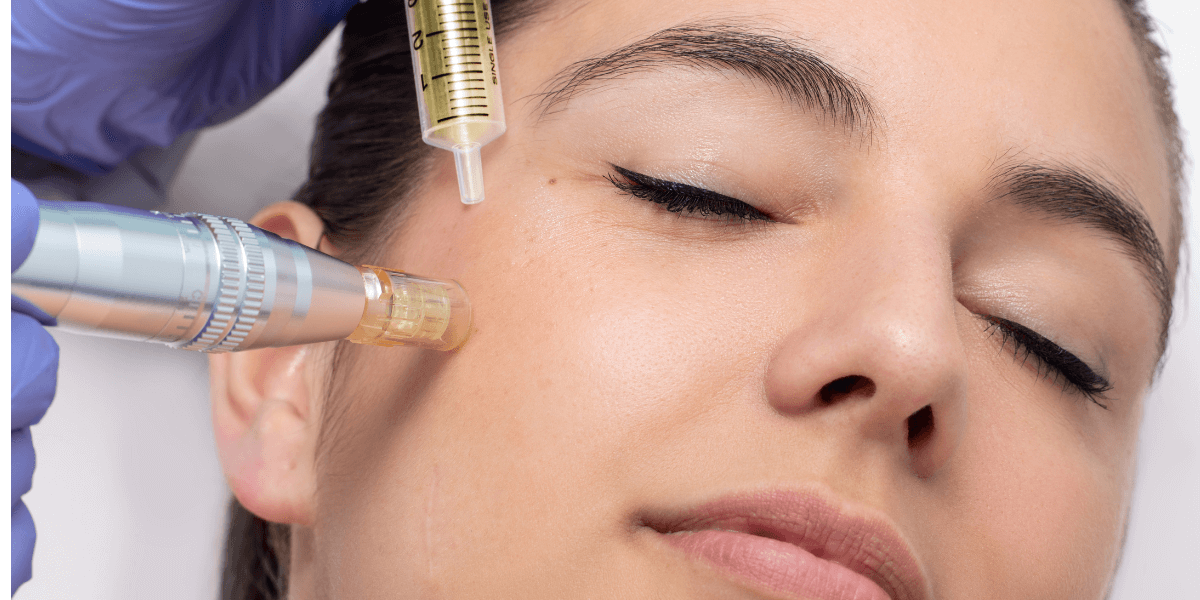
After undergoing a Plasma pen Treatment proper care is essential to ensure the best possible results and promote smooth healing. The skin has been delicately treated with micro-injuries that stimulate collagen production, so gentle and mindful recovery practices can significantly improve the outcome.
Keeping the Treated Area Clean
Maintaining cleanliness is fundamental during the recovery phase. The treated skin is sensitive and needs to be kept free from dirt and pollutants that could hinder the healing process. Using a mild, non-irritating cleanser with lukewarm water is advisable to cleanse the area gently. Avoid scrubbing or rubbing the skin harshly as it can cause irritation or disrupt the delicate skin barrier.
Avoiding Excessive Moisture Exposure
While keeping the area clean is important, excessive moisture can be detrimental. Prolonged exposure to water, such as long showers or baths, may weaken the skin’s healing ability. It is better to limit water contact to brief cleansing and avoid soaking the treated area until fully healed.
Protecting the Skin from Sun Exposure
Sun protection plays a critical role in post-plasma pen care. The newly treated skin is more vulnerable to UV radiation and can be prone to discoloration or uneven pigmentation if exposed to sunlight. Wearing a broad-brimmed hat and staying in shaded areas helps reduce direct sun contact. Additionally, applying a high SPF sunscreen specifically designed for sensitive skin is essential when going outdoors.
Keeping the Skin Hydrated Without Overloading
Hydration supports the healing process by maintaining skin elasticity and softness. Light moisturizing with suitable creams or gels that do not clog pores or cause irritation can be beneficial. It is best to apply hydration products sparingly and avoid heavy creams that may suffocate the skin.
Avoiding Makeup and Other Topical Applications
After plasma pen treatment, the skin needs to breathe and regenerate without interference from cosmetic products. Makeup, especially foundation and powders, can trap bacteria and lead to irritation. It's advisable to refrain from applying makeup until the skin has fully recovered and the micro-injuries have healed.
Minimizing Physical Irritation
Physical irritation can delay healing and increase discomfort. Avoid touching, scratching, or picking at the treated skin, even if it becomes itchy or flaky during recovery. Wearing loose, breathable clothing around the treated area helps prevent unnecessary friction.
Managing Sensations of Tightness and Dryness
It is common to experience sensations of tightness or dryness during the healing process. Keeping the skin moisturized and avoiding harsh environmental conditions like wind or cold air can help alleviate discomfort. Gently patting the skin instead of rubbing when drying also helps reduce tightness.
Maintaining a Healthy Diet to Support Skin Recovery
A balanced diet rich in vitamins, minerals, and antioxidants can aid the body’s natural healing process. Consuming foods high in vitamin C, zinc, and protein helps skin regenerate efficiently and promotes collagen synthesis.
Staying Hydrated for Skin Health
Drinking plenty of water flushes toxins and maintains skin hydration from the inside out. Proper hydration supports cell function and tissue repair, which are crucial during the recovery period.
Avoiding Strenuous Activities that Cause Excessive Sweating
Physical activities that lead to heavy sweating should be avoided immediately after the procedure. Sweat can irritate the treated skin and introduce bacteria, potentially delaying recovery. It is best to wait until the skin has sufficiently healed before resuming intense exercise.
Resting the Skin to Promote Healing
Allowing the skin time to rest and recover is essential. Minimizing exposure to environmental stressors and refraining from additional skin treatments or exfoliation during the healing phase will support the natural repair process.
Understanding the Timeline of Healing
Healing after plasma pen treatment typically follows a natural course where initial redness and swelling gradually subside. Tiny scabs may form, which should be left undisturbed to prevent scarring. Over the course of days to weeks, the skin will reveal a refreshed and rejuvenated appearance.
Using Gentle Touch in Daily Skin Care Routine
During recovery, it’s important to handle the skin with utmost care. Gentle cleansing, light moisturizing, and avoiding aggressive rubbing or exfoliation help maintain the integrity of the skin barrier and support smooth healing.
Avoiding Extreme Temperatures
Exposing the treated skin to extreme heat or cold can hinder the healing process. Hot baths, saunas, or ice packs should be avoided as they may irritate the sensitive area. Moderate room temperature and avoiding sudden changes in temperature are recommended.
Monitoring Skin’s Response to Care
Observing how the skin reacts to the care routine is useful. Any signs of unusual irritation or discomfort should prompt adjusting the care approach to be gentler and less invasive.
Importance of Patience During the Recovery Phase
Healing is a gradual process, and patience is key. Following the recommended care guidelines without rushing recovery allows the skin to regenerate fully, resulting in the best long-term outcome.
Avoiding Exposure to Pollution and Harsh Environments
Environmental factors such as pollution, dust, and smoke can irritate the healing skin. Staying indoors during high pollution days and avoiding smoky or dusty environments help protect the skin during this vulnerable phase.
Utilizing Cool Compresses to Soothe Discomfort
If mild discomfort or swelling occurs, applying a cool compress wrapped in a soft cloth can provide soothing relief. It is important not to apply ice directly on the skin to prevent frostbite or further damage.
Maintaining Consistency in Care Routine
Consistency in following the care regimen contributes significantly to the overall success of recovery. Skipping or altering steps can interfere with the skin’s ability to heal uniformly.
Avoiding Additional Skin Treatments
Refraining from other facial or skin treatments until the skin has completely healed prevents compounded irritation and supports a smooth recovery trajectory.
Conclusion: Embracing a Thoughtful Recovery Process
Taking care of skin after a Plasma pen treatment in Dubai is vital to unlock its full benefits. Gentle cleansing, sun protection, hydration, and patience all contribute to optimal healing. By adopting mindful habits during recovery, the skin can renew itself beautifully and reveal a revitalized appearance that lasts.