
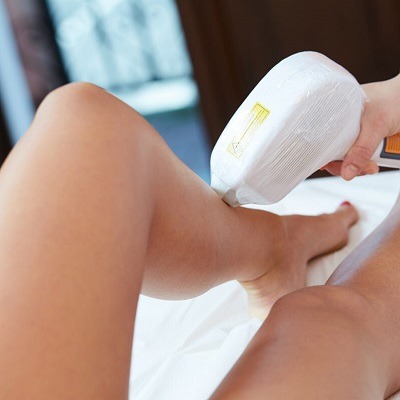
in Islam, personal hygiene and cleanliness are considered essential aspects of faith. Muslims are encouraged to maintain a clean appearance and follow the Sunnah practices related to grooming. Hair removal is one of the areas where Islamic teachings provide clear guidance. Traditionally, removing unwanted body hair from specific areas is seen as part of maintaining purity. The practice dates back to the time of the Prophet Muhammad (peace be upon him), and it is recorded in several authentic Hadiths that certain areas of the body should be kept clean from hair.lets delve into Is laser hair removal Haram
Religious Significance of Grooming
Grooming in Islam is not just about appearance; it reflects spiritual purity and discipline. Regular hair removal from underarms and the pubic region is considered an act of fitrah. The concept of fitrah in Islam refers to the natural disposition with which human beings are created, and part of this includes maintaining bodily cleanliness. Removing excess hair is encouraged to avoid bad odors and maintain a level of personal hygiene that aligns with Islamic values.
Permissibility of Modern Hair Removal Methods
Islamic scholars have often addressed the use of modern tools and methods for grooming. Since technology has evolved, methods of hair removal have extended beyond traditional practices like shaving or plucking. Laser hair removal has emerged as a long-term option for managing unwanted hair. The question many Muslims ask is whether using this method aligns with Islamic teachings.
The general principle in Islam regarding worldly matters is that everything is permissible unless proven otherwise. Since there is no specific prohibition on using advanced technology to remove hair, it is generally considered permissible. The key consideration is whether the method contradicts any Islamic principles, such as exposing the private parts (awrah) unnecessarily or causing harm.
Conditions for Permissibility
While laser hair removal is not directly mentioned in Islamic texts, its permissibility is discussed based on related rulings. One of the key conditions for this method to be permissible is that it should not involve exposing the awrah to non-mahram individuals. In Islam, modesty and covering the body appropriately are fundamental rules, and this extends to any situation involving grooming or medical procedures.
If the procedure can be done without exposing private areas to a non-permissible person, or if done in a manner that respects Islamic boundaries, then it is allowed. Many scholars emphasize the importance of maintaining modesty and suggest that such treatments should only be conducted in environments that uphold Islamic values.
Gender Interaction and Privacy
Privacy and gender interaction are central to understanding Islamic guidelines on personal services. Islam strongly emphasizes modesty and gender separation in situations involving the body. When considering hair removal methods, the issue of who performs the procedure becomes significant. It is advised that hair removal be done by someone of the same gender to maintain modesty.
In situations where this is not possible, and there is a genuine need, some scholars allow exceptions based on necessity. However, the preference remains that procedures involving personal areas should be limited to same-gender professionals, ensuring that the privacy and dignity of the individual are protected.
Cosmetic Intentions and Islamic Perspective
Another aspect that often comes up in discussions about laser hair removal is the intention behind the act. In Islam, intention (niyyah) plays a crucial role in determining the acceptability of an action. If a person is opting for hair removal to maintain cleanliness, enhance marital intimacy, or align with the Sunnah of grooming, then it is seen positively.
However, if the purpose is rooted in vanity or excessive concern with external appearance beyond what is encouraged in Islam, scholars may raise concerns. Islam does not oppose beautification within reasonable and modest boundaries, especially within the context of marriage. But it discourages excessive obsession with one’s appearance that may lead to arrogance or imitating non-Islamic cultural norms.
Historical Context of Hair Removal in Islam
Hair removal has always been part of Islamic culture. The practice is recommended to be done regularly, often within forty days. This is based on Hadith where companions of the Prophet (peace be upon him) mentioned this timeline. The act is not just cultural but spiritual, intended to keep Muslims physically and spiritually pure.
Women and men are both encouraged to remove body hair from specific areas. For women, this is also related to marital cleanliness and modesty. The use of modern tools, if serving the same purpose and not violating any Islamic rule, is seen as a continuation of this historical practice with updated means.
Ethical and Moral Boundaries in Procedures
Islam encourages all actions to be guided by ethics. When considering procedures like laser hair removal, Muslims are encouraged to think beyond the technical act. Issues such as modesty, exposure, and intentions should all be considered. If the procedure helps maintain hygiene and is done within the framework of Islamic morality, then it aligns with the teachings.
Procedures should not become a source of showing off, imitating non-modest lifestyles, or contradicting the natural form that Islam respects. Balance and modesty are essential in all acts of self-care. Islam appreciates cleanliness but warns against excessiveness in pursuit of appearance that lacks spiritual grounding.
Scholarly Opinions and Ijma (Consensus)
Islamic scholars across different schools of thought have discussed the permissibility of using modern methods for grooming. While methods may differ, the core principles remain the same: preserve modesty, avoid unnecessary harm, and uphold the intention of cleanliness. Since there is no text explicitly forbidding laser hair removal, the majority opinion leans toward its permissibility under the right conditions.
Scholars emphasize that any new method should be viewed in light of the Quran and Sunnah, and if it does not contradict any of these sources, it can be accepted. As long as modesty, safety, and Islamic principles are observed, Muslims may use laser hair removal as part of their grooming practices.
Conclusion
Islam provides clear guidance on personal hygiene and grooming Is laser hair removal haram in Dubai is part of the fitrah and encouraged as a means of maintaining cleanliness. While traditional methods have been used for centuries, Islam does not prohibit the use of newer technologies like laser hair removal, provided they are used in a manner that respects Islamic values.
Modesty, intention, and privacy remain at the core of the discussion. If laser hair removal is performed with proper care, by same-gender professionals, and with the intention of maintaining hygiene or fulfilling religious grooming guidelines, it aligns with Islamic teachings. Therefore, it is important for each individual to consider both the method and the context in which the procedure is performed, ensuring it is in harmony with their faith and values.