
Acne scars can affect the appearance and texture of your skin, sometimes making people feel less confident about their overall appearance. Many individuals experience acne scars after dealing with persistent breakouts, inflammation, or severe acne. Fortunately, modern dermatological treatments offer several options to improve the appearance of scarred skin. Laser Treatment in Dubai has become a popular option for people looking to reduce acne scars, improve skin texture, and achieve a smoother complexion. Laser technology works by targeting damaged skin and stimulating natural collagen production, helping the skin gradually improve its appearance. Understanding how laser treatment works, what results you can expect, and which types of acne scars respond best can help you decide whether this procedure is suitable for your skincare needs.
Understanding Acne Scars and Their Causes
Acne scars develop when inflammation caused by acne damages the deeper layers of the skin. When a breakout becomes severe, the body's natural healing process may produce too much or too little collagen. This imbalance can result in permanent changes to the skin's texture.
Some people develop depressed scars that create small holes or uneven areas on the face, while others experience raised scars caused by excessive collagen production. Acne scars can appear on the cheeks, forehead, chin, jawline, and other areas affected by acne.
There are different types of acne scars, including ice pick scars, boxcar scars, rolling scars, and hypertrophic scars. Each type has different characteristics and may require a specific treatment approach. Identifying the type of scarring is important because not every treatment produces the same results for every individual.
How Does Laser Treatment Help Reduce Acne Scars?
Laser treatment uses concentrated light energy to target specific areas of the skin. Depending on the technology selected, the laser may remove microscopic portions of damaged skin or heat deeper skin layers without removing the surface.These controlled effects encourage the body's natural healing response and stimulate collagen production. Collagen is an important protein that supports skin structure, firmness, and elasticity. As new collagen develops, depressed scars may gradually become less noticeable, and the overall skin texture can appear smoother.Laser treatments can also help improve certain forms of acne-related discoloration. However, it is important to understand that brown or red marks left after acne are not always true scars. A dermatologist can determine whether the concern is pigmentation, redness, or structural scarring before recommending treatment.
Can Laser Treatment Remove Deep Acne Scars?
Deep acne scars can be challenging to treat because they extend into the deeper layers of the skin. Laser resurfacing may improve their appearance by encouraging collagen production and remodeling the surrounding tissue.However, complete removal of deep scars cannot always be guaranteed. Ice pick scars, for example, are narrow and deep, so they may respond better to treatments such as TCA CROSS or other targeted procedures. Some rolling scars may benefit from subcision, which releases fibrous bands pulling the skin downward.In certain cases, dermatologists recommend combining different procedures to address several types of scarring. A personalized treatment plan can provide more balanced improvements than relying on a single procedure.
What Results Can You Expect From Laser Acne Scar Treatment?
Results depend on the type of laser used, the severity of the scars, and how your skin responds to treatment. Some people notice improvements in skin smoothness after the initial healing period, while others require several sessions to achieve noticeable changes.Collagen production continues gradually after treatment, meaning improvements may develop over several weeks or months. Depressed scars may become less visible, enlarged pores may appear less noticeable, and uneven skin texture may improve.It is important to maintain realistic expectations. Laser treatment can significantly improve certain acne scars, but it may not restore the skin to its original condition. Your dermatologist can discuss the likely degree of improvement based on your individual skin concerns.
Is Laser Treatment Suitable for All Skin Types?
Not every laser treatment is appropriate for every skin type. Individuals with darker skin tones may have a higher risk of post-inflammatory hyperpigmentation, particularly when stronger laser settings are used.
This does not automatically mean that people with darker skin cannot receive laser treatment. However, careful assessment and appropriate technology selection are essential. Dermatologists may recommend gentler settings, non-ablative treatments, or alternative procedures depending on the patient's skin characteristics.People with active acne, skin infections, certain medical conditions, or a history of abnormal scarring may also require additional assessment before undergoing treatment.
A professional consultation helps determine whether laser treatment is appropriate and whether any precautions are necessary.
What Happens During a Laser Acne Scar Treatment Session?
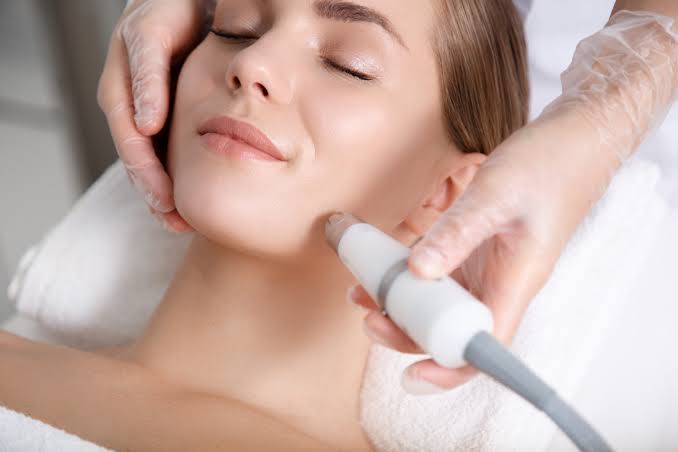
The procedure usually begins with a skin consultation, during which the dermatologist examines the scars and discusses the patient's goals. The treatment area is then cleansed, and protective measures are taken to keep the eyes safe from laser exposure.Depending on the laser technology and treatment intensity, a topical numbing cream may be applied to improve comfort. The specialist then carefully moves the laser device across the selected areas, delivering controlled energy to the skinPatients may experience warmth, mild stinging, or a sensation similar to tiny pinpricks. The duration depends on the size of the treatment area and the technology being used.
After the procedure, the skin may appear red, swollen, or sensitive. These effects are generally temporary, although stronger resurfacing procedures may require a longer recovery period.
How Many Laser Sessions Are Needed for Acne Scars?
The number of sessions depends on the severity and type of acne scars, the selected laser, and the individual's response to treatment. Mild scarring may improve with fewer sessions, while deeper or more extensive scars often require multiple treatments.Sessions are usually scheduled with sufficient recovery time between them. This allows the skin to heal and collagen remodeling to continue before another procedure is performed.Your dermatologist will recommend an appropriate treatment schedule after examining your skin. Following the recommended intervals is important for achieving gradual improvement while reducing unnecessary irritation.
What Is the Recovery Process After Laser Treatment?
Recovery varies according to the type and intensity of the laser procedure. After treatment, temporary redness, swelling, dryness, and sensitivity are common. Some procedures may also cause mild peeling or flaking as the skin heals.Patients should follow their dermatologist's aftercare instructions carefully. Gentle cleansing, suitable moisturizers, and recommended skincare products can help support the healing process.Sun protection is especially important in Dubai because strong ultraviolet exposure can increase the risk of pigmentation changes after laser treatment. Applying a broad-spectrum sunscreen with SPF 30 or higher, following professional advice, and avoiding unnecessary direct sun exposure can help protect recovering skin.Patients should also avoid picking, scratching, or exfoliating treated areas until the skin has sufficiently healed. Makeup, active skincare ingredients, and exercise restrictions should be discussed with the treating specialist.
Why Choose Professional Laser Treatment in Dubai?
Choosing an experienced dermatology professional is an important part of achieving safe and satisfactory results. A qualified specialist can identify the type of acne scars, evaluate your skin condition, and recommend suitable laser technology.Professional clinics should provide a proper consultation, explain possible side effects, discuss realistic expectations, and offer clear aftercare guidance. They should also use appropriate equipment and follow hygiene and patient-safety standards.Dubai offers access to modern dermatological technologies and skincare services. However, patients should compare providers carefully rather than selecting a clinic based only on promotional offers or advertised results.Before booking an appointment, consider the specialist's qualifications, experience with acne scar treatments, and willingness to create a personalized treatment plan.
Conclusion
Laser treatment can be an effective option for improving the appearance of many types of acne scars. By encouraging collagen production, supporting skin renewal, and improving uneven texture, modern laser technologies can help individuals achieve smoother and healthier-looking skin. However, the results depend on scar depth, skin type, treatment technology, and individual healing responses.
People considering acne scar treatment in Dubai should seek a professional consultation before choosing a procedure. An experienced dermatologist can explain the available options, discuss potential risks, and recommend a treatment plan based on individual skin needs.With appropriate technology, professional care, and consistent aftercare, laser treatment can help reduce the visibility of acne scars and improve overall skin appearance. Choosing a reputable clinic and maintaining realistic expectations are essential steps toward achieving natural-looking results.