
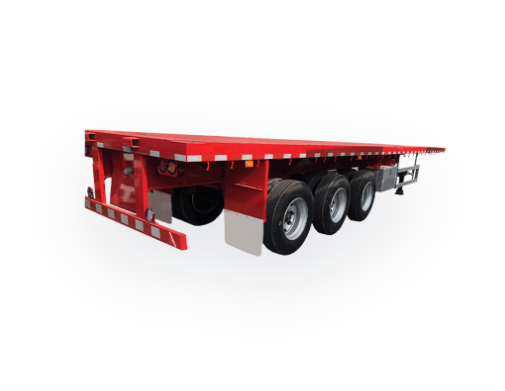
The transportation industry depends on reliable equipment to move goods, machinery, construction materials, and oversized cargo safely across long distances. Among the different commercial transportation solutions available, flatbed trailers have earned a strong reputation for their flexibility and practical design. Businesses researching a flatbed semi traile often want equipment that offers convenient loading, sufficient carrying capacity, and adaptability for different types of freight.
Unlike enclosed trailers, flatbed models feature an open platform that allows cargo to be loaded from multiple directions. This design makes them particularly useful for industries that handle large, heavy, or irregularly shaped materials. Understanding their construction, applications, important specifications, and purchasing considerations can help transportation businesses choose equipment that meets their operational requirements.
What Is a Flatbed Semi Trailer?
A flatbed semi trailer is a commercial transportation trailer designed with a long, open loading platform and no permanent roof or enclosed side walls. It is connected to a semi-truck through a fifth-wheel coupling system and is commonly used to transport freight that requires flexible loading arrangements.
The open platform allows operators to load cargo using forklifts, cranes, or other specialized handling equipment. This is particularly useful when transporting materials that cannot easily fit inside conventional enclosed trailers.
Flatbed trailers are available in different lengths, configurations, axle arrangements, and weight capacities. Depending on the intended application, they may also include container twist locks, additional tie-down points, removable side posts, and specialized loading accessories.
Their straightforward design makes them suitable for a wide range of commercial transportation operations.
Major Advantages of Flatbed Semi Trailers
Choosing the right trailer can improve transportation efficiency and help businesses manage their logistics operations more effectively. Flatbed designs provide several practical advantages.
1. Flexible Loading and Unloading
One of the biggest advantages of flatbed trailers is their accessibility. Since they do not have permanent side walls or a roof, cargo can be loaded from the sides, rear, or overhead.
This flexibility is valuable for businesses transporting large construction materials, industrial machinery, steel products, and other oversized goods.
Forklifts can approach the platform from the sides, while cranes can position heavy materials directly onto the deck. These loading options can reduce handling difficulties and make transportation operations more convenient.
2. Transportation of Oversized Cargo
Certain products are too wide, long, or irregularly shaped for conventional enclosed trailers. Flatbed platforms provide additional flexibility for transporting these materials, provided the cargo remains within applicable legal dimensions or the necessary oversize permits are obtained.
Examples include structural steel, timber, large pipes, construction equipment, and prefabricated building components.
Businesses can select different platform dimensions and specialized configurations according to their regular transportation requirements.
3. Versatility Across Industries
A flatbed trailer can support different transportation activities without requiring a completely enclosed cargo space. Companies involved in construction, manufacturing, agriculture, infrastructure development, and logistics can benefit from this flexibility.
Depending on its configuration, one trailer may handle several categories of compatible cargo throughout its operating life.
4. Convenient Inspection and Maintenance
The open structure makes many parts of the cargo platform and supporting frame easier to inspect. Operators can visually examine the deck, structural members, tie-down points, and other exposed components.
This accessibility can simplify routine inspections and help identify visible damage before it develops into a more serious maintenance issue.
Common Applications of Flatbed Semi Trailers
Flatbed trailers play an important role in industries where transporting heavy and oversized materials is part of everyday operations.
Construction and Infrastructure Projects
Construction companies regularly move steel beams, cement products, scaffolding, prefabricated structures, and heavy equipment between warehouses and project locations.
Flatbed trailers offer a practical platform for transporting these materials. Their open design allows construction equipment to be loaded using cranes and forklifts, making them useful for projects with demanding transportation schedules.
Steel and Metal Transportation
Steel manufacturers and distributors transport products such as metal sheets, structural beams, pipes, and fabricated components.
These materials often have considerable weight and unusual dimensions. A properly specified flatbed trailer can provide the structural support and cargo-securement arrangements needed for these transportation tasks.
Specialized accessories may also be required for particular products, such as steel coils, to ensure appropriate load distribution and restraint.
Agriculture and Farming
Agricultural businesses transport tractors, harvesting equipment, irrigation systems, farming machinery, and other supplies.
Flatbed trailers can accommodate many of these products because their open platforms provide convenient loading access. The appropriate deck dimensions, loading equipment, and weight ratings should always be considered before transporting agricultural machinery.
Manufacturing and Industrial Logistics
Manufacturing facilities frequently move large machinery components, industrial equipment, metal products, and production materials.
Flatbed transportation can simplify the movement of these goods between factories, distribution centers, and industrial facilities. Businesses can also select customized platform arrangements to support specific cargo dimensions and handling requirements.
Container Transportation
Some flatbed trailers are equipped with container twist locks that allow them to transport compatible shipping containers.
This configuration can be useful for logistics companies handling containerized freight between ports, warehouses, and distribution centers.
Buyers should confirm that the locking positions match the container sizes and combinations they intend to transport.
Important Features to Consider When Choosing a Flatbed Trailer
Selecting a trailer involves more than comparing prices or platform dimensions. Several technical characteristics influence its suitability for particular transportation activities.
Frame Strength and Construction Quality
The frame is one of the most important structural elements of a flatbed trailer. It supports the loading platform and distributes forces generated by the cargo and road conditions.
Buyers should examine the main beams, cross members, welding quality, and material specifications. A well-engineered frame should be appropriate for the intended cargo weight and loading conditions.
Protective coatings and corrosion-resistant treatments are also worth considering, especially for trailers operating in humid environments or regions where road conditions expose metal components to moisture and contaminants.
Payload Capacity and Weight Ratings
Understanding weight specifications is essential before purchasing a commercial trailer.
Buyers should review the gross vehicle weight rating, axle ratings, empty trailer weight, and available payload capacity. These figures help determine whether the trailer can accommodate the expected cargo safely and legally.
It is equally important to consider weight distribution. Even when the total cargo weight falls within the trailer's rating, improper positioning can create excessive loads on individual axles or other components.
Axle and Suspension Configuration
Axles and suspension systems contribute to load distribution, road handling, and overall transportation performance.
Different configurations may be suitable for different cargo weights and operating environments. Mechanical suspension is often considered for straightforward, heavy-duty applications, while air suspension may provide additional ride-quality and adjustment benefits.
The final selection should account for local regulations, road conditions, maintenance requirements, and the towing vehicle's capabilities.
Deck Dimensions and Surface Material
Deck length, width, height, and construction materials should match the cargo being transported.
Steel decking may be appropriate for demanding industrial applications, while certain designs incorporate timber or other materials for specific operational requirements.
A suitable deck should provide adequate support, practical loading access, and compatibility with the intended cargo-handling equipment.
Cargo-Securement Equipment
Because flatbed trailers lack permanent enclosure walls, proper cargo securement is particularly important.
Common accessories include:
- D-rings and lashing points.
- Chain hooks and tie-down rails.
- Removable side posts.
- Stake pockets.
- Container twist locks.
- Headboards and protective accessories.
The required equipment depends on cargo characteristics and applicable load-securement regulations. Operators should use appropriately rated chains, straps, and other restraint systems rather than relying on the trailer platform alone.
Flatbed Trailers vs. Enclosed Trailers
Flatbed and enclosed trailers serve different transportation purposes. Understanding their differences can help businesses select the most appropriate equipment.
Flatbed trailers are generally preferred when cargo requires side or overhead loading, has unusual dimensions, or does not need permanent weather protection.
Enclosed trailers are more suitable for goods that require protection from rain, dust, theft, and environmental exposure. They are commonly used for packaged products, household goods, and other freight that benefits from a covered transportation environment.
The choice ultimately depends on the nature of the cargo, loading arrangements, delivery requirements, and operating budget.
Maintenance Tips for Long-Term Performance
Regular maintenance is essential for keeping commercial trailers in dependable operating condition.
Businesses should establish an inspection schedule that includes the following areas:
Frame and structural inspection: Examine the main beams, cross members, welds, and platform for cracks, corrosion, or deformation.
Tire and wheel maintenance: Monitor tire pressure, tread wear, wheel bearings, and wheel fasteners according to manufacturer recommendations.
Brake system inspection: Check brake components, electrical connections, and associated systems to confirm proper operation.
Suspension inspection: Examine springs, air components, bushings, and related parts for wear or damage.
Lighting and electrical checks: Ensure that brake lights, indicators, reflectors, and wiring connections function correctly.
Cargo-securement inspection: Check tie-down points, hooks, twist locks, and other accessories for damage or excessive wear.
Keeping maintenance records can also help fleet managers identify recurring problems, plan repairs, and manage operating expenses.
How to Make the Right Purchasing Decision
Before investing in a flatbed trailer, businesses should identify their most common cargo types, average transportation distances, maximum load requirements, and loading methods.
Comparing manufacturers is another important step. Buyers should evaluate product specifications, structural quality, customization options, manufacturing standards, warranty conditions, and after-sales support.
It is also useful to request detailed technical documentation rather than relying exclusively on advertised carrying capacities or general product descriptions.
Transportation regulations deserve equal attention. Trailer dimensions, axle loads, braking systems, lighting, and cargo-securement arrangements must comply with the requirements of the countries and regions where the equipment will operate.
Finally, consider the total cost of ownership. Purchase price, fuel efficiency, routine maintenance, replacement parts, inspections, and expected service life all influence the long-term value of a commercial trailer.
Conclusion
Flatbed trailers remain an important part of modern commercial transportation because of their practical design, loading flexibility, and ability to accommodate different categories of freight. From construction materials and industrial machinery to steel products and shipping containers, they support transportation requirements across numerous industries. Selecting the right configuration requires careful attention to frame construction, payload capacity, axle arrangements, suspension, deck dimensions, and cargo-securement equipment.
For businesses evaluating a flatbed semi trailer, understanding these essential specifications can make the purchasing process more informed and effective. Choosing properly engineered equipment that matches actual transportation needs, combined with regular maintenance and responsible loading practices, can contribute to dependable operations and long-term business value.