
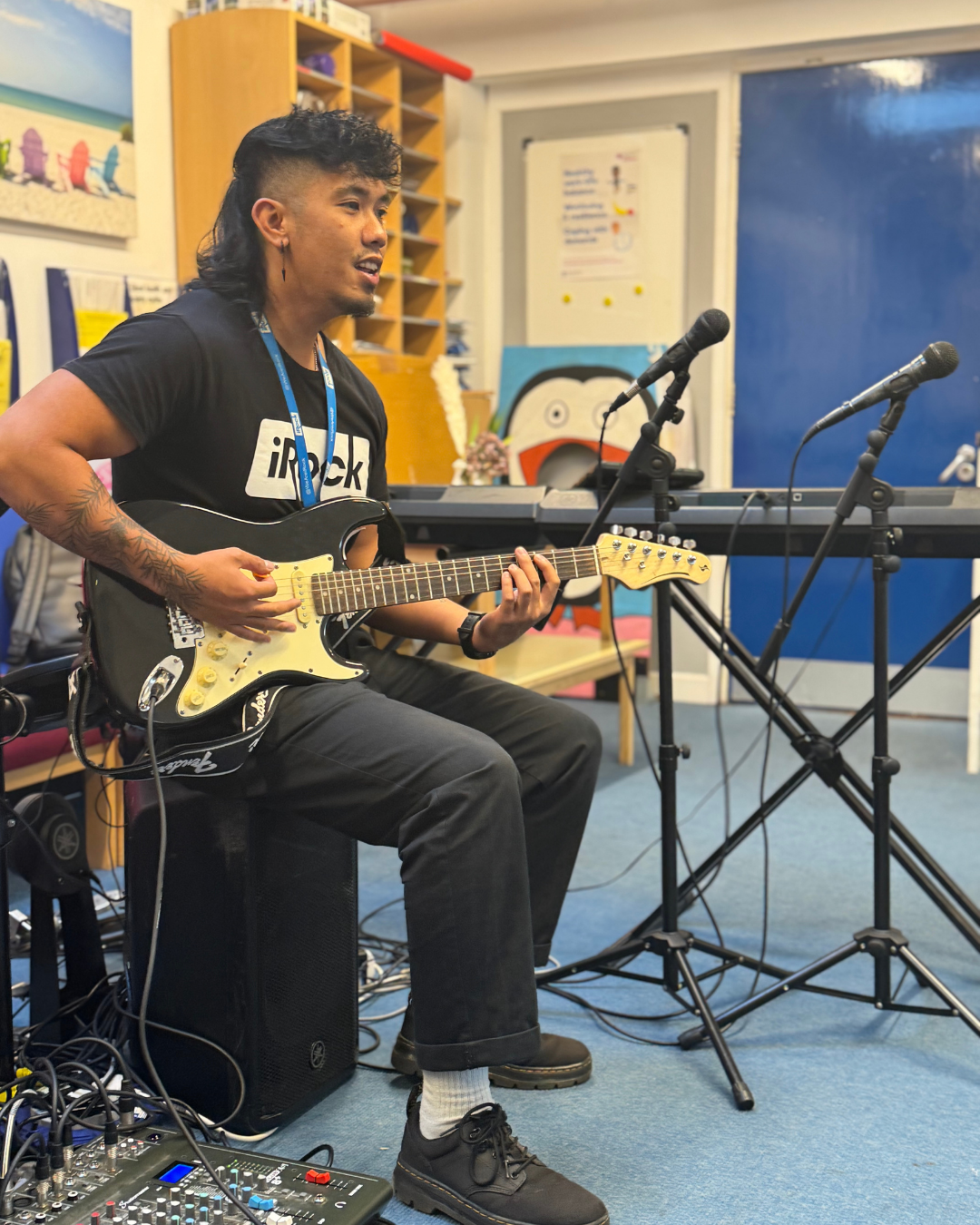
Music has the power to inspire, educate, and transform lives. Whether a child dreams of becoming a guitarist, drummer, singer, or keyboard player, music lessons provide the perfect foundation for personal growth and creative expression. Beyond learning notes and rhythms, music education helps children develop confidence, teamwork, discipline, and communication skills that benefit them throughout life.
Many schools now recognize the importance of practical music experiences. Participating in a band allows children to work together, perform in front of others, and discover talents they may never have realized they possessed. Programs that bring professional music instruction directly into schools make learning accessible, engaging, and fun for every student.
Why Music Lessons Are Important for Children
Children learn best when they are actively engaged. Traditional classroom learning develops academic knowledge, while music introduces creativity, problem-solving, and emotional expression.
High-quality music lessons help children:
- Improve concentration and memory
- Build self-confidence
- Strengthen listening skills
- Develop coordination and timing
- Encourage creative thinking
- Learn patience and perseverance
- Express emotions in a healthy way
Research consistently shows that students involved in music often perform better academically because music strengthens brain development and cognitive abilities.
Building Confidence Through Performance
One of the greatest benefits of learning music is increased self-confidence. Many children feel nervous about speaking or performing in front of others. Music provides a supportive environment where they can gradually build confidence through practice and performance.
Playing songs with classmates helps children become comfortable expressing themselves. Every successful rehearsal and performance reinforces a sense of achievement, encouraging students to tackle new challenges both inside and outside the classroom.
Confidence developed through music lessons often carries over into public speaking, classroom participation, and social interactions.
Learning Teamwork in a School Band
Music is rarely a solo activity. Playing in a band teaches children how to work together toward a shared goal. Every instrument has an important role, and students quickly learn that listening to one another is just as important as playing their own part.
Band sessions help children:
- Communicate effectively
- Respect different abilities
- Solve problems together
- Support classmates
- Develop leadership skills
These collaborative experiences prepare children for future education, careers, and everyday relationships.
Improving Musical Ability Through Practical Experience
Hands-on learning is one of the most effective ways to develop musical skills. Rather than focusing only on theory, practical music lessons allow children to experience real instruments, real songs, and real performances.
Students can explore instruments such as:
- Electric guitar
- Bass guitar
- Keyboard
- Drums
- Vocals
Learning popular rock and pop songs keeps lessons exciting and motivates children to continue improving their skills. As students progress, they naturally develop rhythm, pitch recognition, timing, and musical creativity.
Encouraging Creativity Every Week
Creativity is an essential life skill. Music gives children the freedom to experiment, improvise, and express their personalities through sound.
Weekly music lessons encourage students to:
- Write original melodies
- Create rhythms
- Explore different musical styles
- Develop artistic confidence
- Think independently
Creative activities also help children manage stress while promoting emotional well-being and resilience.
Making Music Accessible in Primary Schools
Not every family has access to private music tuition. School-based music programs remove many of the barriers by bringing experienced instructors, instruments, and structured lessons directly into the classroom.
This approach offers several advantages:
- Equal opportunities for all students
- Convenient learning during school hours
- Reduced travel requirements
- Affordable music education
- Regular weekly practice
Children who may never have considered learning an instrument often discover a lifelong passion through school music programs.
The Benefits of Rock and Pop Music Lessons
Modern children often connect more easily with music they already know and enjoy. Learning rock and pop songs creates excitement while maintaining educational value.
Rock band experiences teach students how to:
- Keep a steady rhythm
- Follow musical arrangements
- Perform as part of a group
- Develop stage confidence
- Appreciate different musical styles
Playing familiar songs increases motivation and helps children remain engaged throughout their learning journey.
Social and Emotional Growth Through Music
Music education supports much more than technical ability. Children develop important emotional and social skills while working closely with classmates.
Regular music lessons can help children:
- Build friendships
- Improve communication
- Increase emotional awareness
- Reduce anxiety
- Develop resilience
- Celebrate shared achievements
These positive experiences contribute to a healthier, happier school environment where every child feels included.
How Parents Can Support Music Learning
Parents play an important role in encouraging their children's musical development. Simple actions at home can make a significant difference.
Helpful ways to support learning include:
- Encourage regular practice
- Listen to your child's performances
- Celebrate progress rather than perfection
- Explore different styles of music together
- Attend school concerts and performances
- Provide positive encouragement
Children are more likely to continue learning when they feel supported by both teachers and family members.
Choosing the Right Music Lessons
When selecting a music program, look for opportunities that combine professional instruction with enjoyable, interactive experiences.
An excellent music program should offer:
- Qualified and experienced instructors
- Age-appropriate teaching methods
- Practical instrument experience
- Small group learning
- Performance opportunities
- Inclusive and supportive environments
- Regular progress and skill development
Programs that allow children to experience being part of a real band often create lasting enthusiasm for music.
Why Music Education Matters for the Future
The skills gained through music lessons extend far beyond learning an instrument. Students develop confidence, resilience, creativity, discipline, teamwork, and communication—qualities that remain valuable throughout school, higher education, and future careers.
Whether children continue as musicians or pursue entirely different paths, the experiences gained through music help shape well-rounded, confident individuals who are ready to face new opportunities with enthusiasm.
Conclusion
Music is one of the most rewarding educational experiences a child can have. Through engaging music lessons, children build confidence, improve musical ability, strengthen friendships, and discover the joy of creative expression. School-based rock and pop band sessions make music accessible, exciting, and inclusive, allowing every child to experience the thrill of performing as part of a team.