
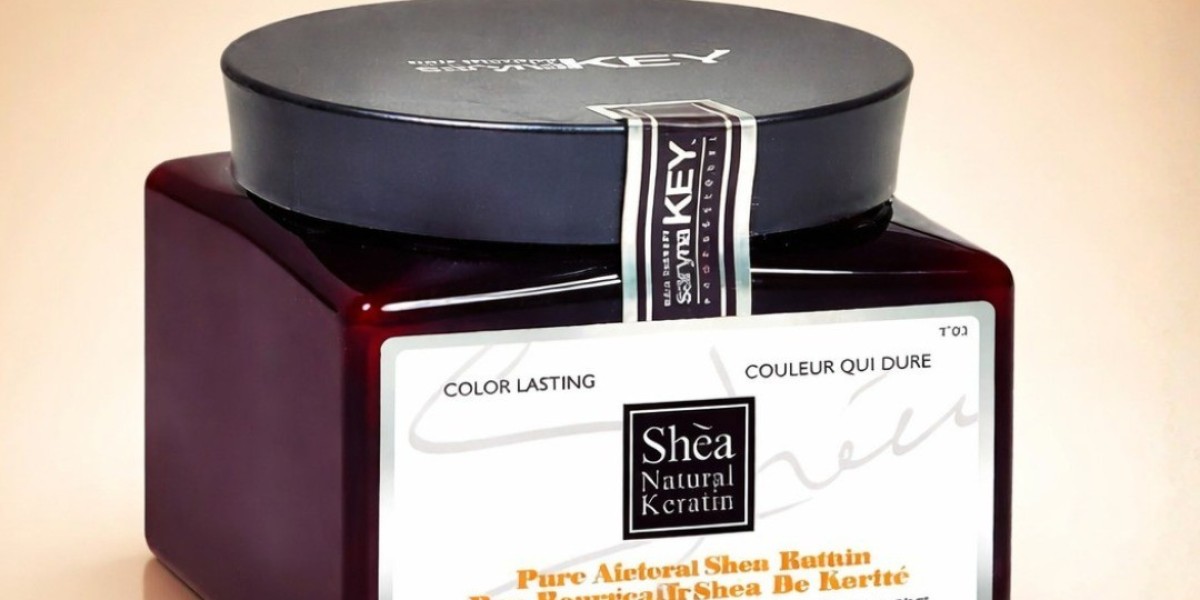
Damaged hair is a common concern caused by heat styling, chemical treatments, pollution, and poor hair care habits. When hair becomes weak and brittle, it loses its natural shine, softness, and strength. Fortunately, with the right care routine and targeted treatments, it is possible to repair and restore healthier-looking hair over time.
Understanding the Causes of Damaged Hair
Hair damage usually occurs when the protective outer layer of the hair, known as the cuticle, becomes weakened or stripped away. This exposes the inner structure of the hair, making it prone to breakage, split ends, and dryness. Common causes include excessive use of heat tools such as straighteners and curling irons, frequent coloring or bleaching, harsh shampoos, and environmental stress like sun exposure and pollution.
Recognizing the early signs of damaged hair, such as rough texture, tangling, and lack of elasticity, is essential for preventing further deterioration.
Bond-Building Treatments for Repair
One of the most effective modern solutions for damaged hair is bond-building technology. These treatments work by repairing broken bonds within the hair structure, helping to restore strength from within. Unlike traditional conditioners that only work on the surface, bond-building formulas penetrate deeper into the hair fiber.
Regular use of these treatments can significantly reduce breakage and improve hair resilience. They are especially beneficial for chemically treated or heat-damaged hair, as they help rebuild the internal structure that has been compromised.
Deep Conditioning and Hydration
Moisture is essential for restoring damaged hair. Deep conditioning masks and hydrating treatments help replenish lost moisture and improve elasticity. Ingredients like keratin, argan oil, coconut oil, and shea butter are commonly used to nourish and smooth the hair cuticle.
Using a deep conditioning treatment once or twice a week can make a noticeable difference in softness and manageability. It also helps reduce frizz and prevents further breakage caused by dryness.
Heat Protection and Gentle Styling
Preventing further damage is just as important as repairing existing damage. Heat protectant sprays and serums create a barrier between the hair and styling tools, minimizing the impact of high temperatures. Reducing the frequency of heat styling also allows hair to recover naturally.
Switching to gentle styling methods, such as air-drying or using low-heat settings, can significantly improve the condition of damaged hair over time.
Scalp Care and Healthy Growth
A healthy scalp is the foundation for strong hair. Regular scalp cleansing and exfoliation help remove product buildup and improve blood circulation. This encourages healthier hair growth and supports the overall repair process.
Incorporating scalp oils or nourishing treatments can also strengthen hair from the root, reducing future damage.
Conclusion
Repairing damaged hair requires a consistent and targeted approach. By combining bond-building treatments, deep conditioning, heat protection, and proper scalp care, it is possible to restore strength, shine, and smoothness. With the right routine, damaged hair can gradually transform into healthier, more