
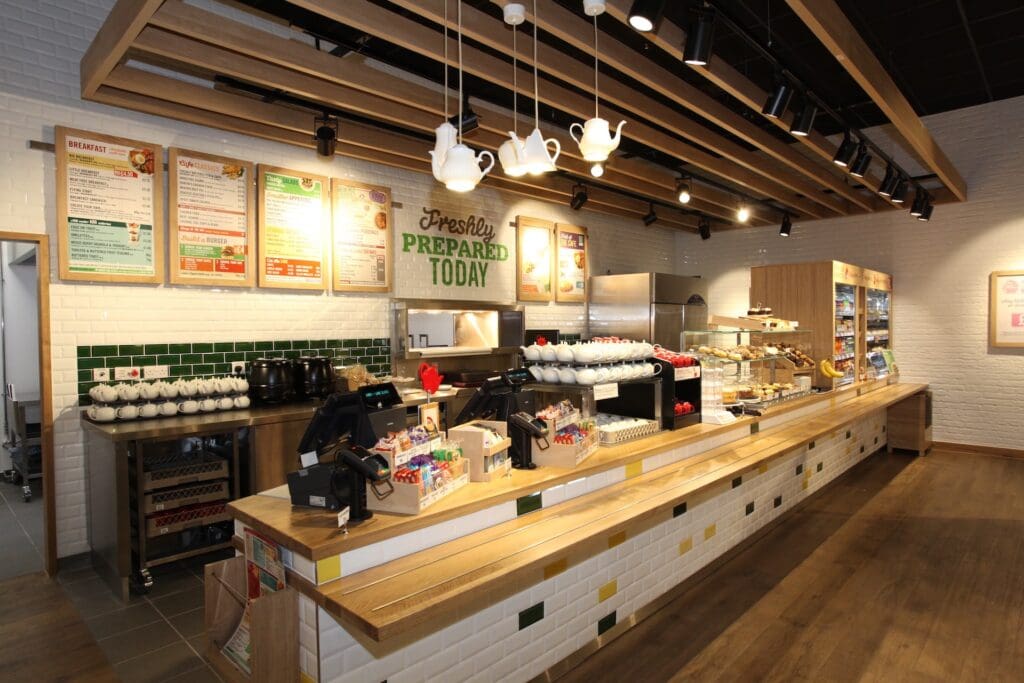
The retail industry continues to evolve at an unprecedented pace. Modern consumers expect more than just products on shelves—they seek memorable experiences, personalized interactions, and engaging environments that reflect a brand’s identity. As a result, retail design and retail interior design have become powerful tools for attracting customers, increasing engagement, and driving sales.
Understanding the latest retail trends can help businesses create innovative retail spaces that meet changing consumer expectations while strengthening brand loyalty. From immersive experiences to sustainable design practices, the future of retail is being shaped by creativity, technology, and customer-centric thinking.
The Growing Importance of Experiential Retail
One of the most significant retail trends today is the rise of experiential retail. Consumers increasingly value experiences over transactions, making it essential for retailers to create environments that inspire interaction and emotional connection.
Experiential retail design focuses on engaging customers through interactive displays, digital installations, product demonstrations, and unique brand storytelling. These elements transform traditional stores into destinations where customers can explore, learn, and connect with products in meaningful ways.
Retailers that invest in immersive experiences often benefit from longer customer visits, higher engagement rates, and increased brand recognition.
Technology Integration in Retail Spaces
Technology continues to reshape retail environments across the globe. Smart retail solutions are enhancing both customer experiences and operational efficiency.
Digital signage, interactive touchscreens, augmented reality (AR), and virtual reality (VR) are becoming increasingly common in modern retail spaces. These technologies allow customers to visualize products, access detailed information, and enjoy personalized shopping journeys.
Another growing trend is the integration of artificial intelligence. AI-powered systems can provide product recommendations, analyze customer behavior, and support inventory management. As technology becomes more accessible, retailers can create seamless online-to-offline experiences that meet the demands of today's digitally connected consumers.
Sustainable Retail Design Takes Center Stage
Sustainability has become a major influence on retail trends worldwide. Consumers are increasingly choosing brands that demonstrate environmental responsibility and ethical business practices.
Retail interior design now often incorporates sustainable materials, energy-efficient lighting, recycled fixtures, and eco-friendly construction methods. Many retailers are also reducing waste by using modular display systems that can be easily reconfigured and reused.
Sustainable design not only helps protect the environment but also strengthens brand reputation. Customers appreciate businesses that align with their values, making sustainability a strategic advantage in competitive markets.
Flexible and Adaptive Store Layouts
The retail landscape is constantly changing, and flexibility has become a key design priority. Retailers are moving away from rigid store layouts in favor of adaptable spaces that can evolve with customer needs and market demands.
Flexible retail environments allow brands to introduce seasonal displays, host events, launch new products, and experiment with different merchandising strategies. Modular fixtures, movable walls, and multifunctional zones provide the versatility needed to keep retail spaces fresh and engaging.
This adaptability enables retailers to respond quickly to trends while maximizing the value of their physical locations.
Personalization Enhances Customer Engagement
Personalization remains one of the most influential retail trends driving customer satisfaction and loyalty. Modern shoppers expect brands to understand their preferences and deliver tailored experiences.
Retail design plays an important role in supporting personalization. Data-driven insights help retailers create targeted product displays, customized recommendations, and localized shopping experiences.
Advanced technologies can identify customer preferences and offer personalized promotions, while thoughtfully designed spaces guide shoppers toward products that align with their interests. The result is a more relevant and enjoyable customer journey that encourages repeat visits and purchases.
Omnichannel Retail Design Creates Seamless Experiences
Today's consumers move effortlessly between online and offline shopping channels. As a result, successful retailers are designing spaces that support omnichannel experiences.
Retail stores are increasingly serving as fulfillment centers, click-and-collect locations, and customer service hubs. Interior layouts are being optimized to accommodate both traditional shoppers and digital customers.
Features such as mobile checkout stations, self-service kiosks, and dedicated pickup areas help create a smooth transition between physical and digital touchpoints. Omnichannel retail design ensures convenience while reinforcing a consistent brand experience across all channels.
The Power of Brand Storytelling Through Design
Strong brand storytelling is becoming a defining element of modern retail environments. Consumers want to understand the values, mission, and personality behind the brands they support.
Retail design professionals use architecture, lighting, materials, graphics, and spatial planning to communicate compelling brand narratives. Every aspect of a retail environment can contribute to a cohesive story that resonates with visitors.
By creating emotionally engaging spaces, brands can build deeper connections with customers and differentiate themselves from competitors in crowded marketplaces.
Data-Driven Retail Space Design
Data analytics is playing an increasingly important role in retail design decision-making. Retailers can now gather valuable insights into customer behavior, traffic patterns, and purchasing habits.
These insights help designers optimize store layouts, product placement, and customer flow. Heat mapping technologies, customer tracking systems, and sales data analysis provide valuable information for improving space performance.
Data-driven design strategies allow retailers to create environments that maximize engagement, increase conversions, and improve overall operational efficiency.
Conclusion
The future of retail is being shaped by innovation, sustainability, technology, and customer experience. Businesses that stay ahead of emerging retail trends can create engaging retail environments that attract customers, strengthen brand loyalty, and drive long-term growth.