
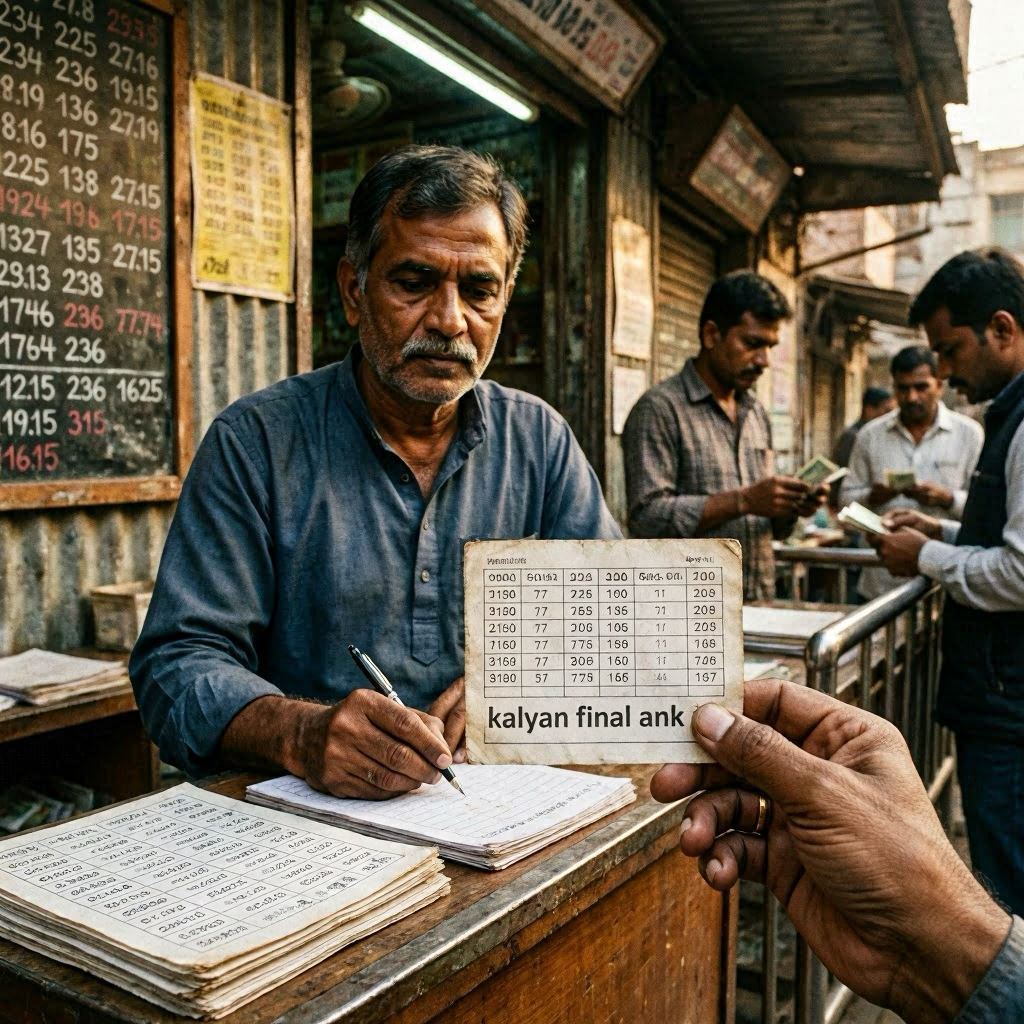
Some habits disappear quietly. Others seem to evolve and just keep going, almost as if they refuse to leave. It’s a bit like old songs your parents used to play in the house. Years pass, trends change, new music arrives every week, yet somehow those songs still pop up during road trips or family gatherings. Familiar things have a strange way of sticking around.
The same can be said for many long-standing final ank number-based traditions in India. Despite rapid technological shifts and an endless stream of new digital entertainment options, conversations around these systems still appear online, in communities, and in everyday discussions.
And honestly, that persistence says something interesting about people more than it says anything else.
Because beneath all the technology and changing platforms, human behavior remains surprisingly familiar.
Curiosity Has Always Been Part of Human Nature
People are curious creatures. We probably always have been.
Think about how often we check things that could easily wait. We refresh cricket scores during meetings. We check package tracking pages every few hours even though deliveries rarely move that fast. Sometimes people open the refrigerator, stare inside for ten seconds, close it, then reopen it five minutes later for absolutely no reason.
We enjoy anticipation.
The waiting itself creates emotion.
That emotional pattern explains why systems centered around numbers and updates often continue generating interest. It's rarely just about information. There’s excitement involved. Discussion. Small rituals. Tiny moments of suspense mixed into ordinary routines.
And those feelings have staying power.
The Shift From Local Corners to Online Spaces
Years ago, information traveled through people.
Someone heard something in the market. Another person shared it with friends over tea. Small discussions gradually spread through neighborhoods and familiar circles.
The pace felt slower back then.
Maybe not better. Just different.
Today, information travels instantly. Phones turned into tiny newsrooms we carry in our pockets. Updates appear during lunch breaks, bus rides, and random moments while waiting in line somewhere.
Convenience changed everything.
But convenience also made people impatient.
We now expect real-time access to almost every form of information. Live cricket updates refresh ball by ball. Navigation apps adjust routes immediately. Social platforms send notifications before we even realize we’re waiting.
Once instant access becomes normal, delays suddenly feel much larger.
Funny how quickly expectations change.
Communities Often Matter More Than Information
Many outsiders assume online spaces connected to number discussions exist only because people want updates.
But communities rarely work that way.
People gather because they enjoy shared experiences. Information may bring them in initially, sure, but conversation often keeps them around.
Someone shares opinions.
Another person offers predictions.
A debate starts.
Soon enough, people return not only for updates but because they recognize familiar discussions and personalities.
This happens everywhere online.
Sports communities work the same way. Movie fan groups too. People enjoy being around others who understand the context behind conversations.
Humans naturally look for belonging.
Even in unexpected places.
Why Familiar Terms Continue Appearing in Search Trends
Certain names survive because familiarity creates comfort.
People tend to revisit things they already understand. Not necessarily because they are better, but because familiarity feels easy. Predictable.
Search patterns reveal this behavior constantly.
For example, terms like matka 420 continue appearing among users because recognizable phrases create recurring interest and routine searches. The names themselves become part of larger online habits over time.
The internet may move quickly, but human memory moves differently.
People return to names they have heard repeatedly. Sometimes out of habit. Sometimes curiosity. Sometimes simple nostalgia.
And nostalgia, truthfully, is a powerful thing.
People Love Looking for Patterns
This part is fascinating.
Human beings are incredibly good at identifying patterns—even when patterns might not actually exist.
A cricket fan suddenly believes their team wins whenever they watch matches from a specific chair. Someone decides a lucky shirt changes outcomes. Another person becomes convinced certain sequences repeat for hidden reasons.
Rational thinking occasionally takes a back seat.
Yet people continue these rituals anyway.
Why?
Because prediction creates involvement.
When people feel involved, experiences become more exciting.
You see this everywhere now. Fantasy sports apps built entire industries around prediction culture. Market discussions thrive because people enjoy forecasting possibilities.
Even weather conversations become strangely passionate before holidays and festivals.
We simply enjoy trying to figure out what comes next.
Old Traditions Adapt Better Than We Expect
People often assume technology replaces everything older.
Sometimes it does.
DVD collections disappeared. Physical maps faded away. Music stores became streaming subscriptions.
Yet some traditions survive because they adapt.
They move online. Communities evolve. Discussions shift platforms.
Names and systems connected with number culture followed similar paths. Terms like golden matka continue appearing because communities carried them into digital spaces rather than leaving them behind.
That adaptability matters.
Because survival often isn't about resisting change.
It's about moving alongside it.
Daily Rituals Quietly Shape Behavior
Most people underestimate routines.
Tiny habits quietly influence everyday life far more than we notice.
Morning tea before work.
Checking headlines while eating breakfast.
Looking at sports scores before bed.
Small actions repeated often enough eventually become automatic.
For some individuals, checking updates becomes part of that rhythm too. Not necessarily because the information itself changes everything, but because rituals create comfort.
Humans like familiarity.
We always have.
Technology Changes Fast, Human Nature Doesn't
Here's the thing people sometimes miss.
Technology evolves at incredible speed. tara matka Platforms rise and disappear. Trends explode and vanish within months.
But people change more slowly.
Curiosity still drives behavior. Communities still matter. Anticipation still creates excitement.
That’s probably why some older traditions continue finding space in modern digital culture.
Because beneath every search, every discussion, and every repeated habit sits something deeply familiar.
People want connection.
People enjoy possibilities.
People like wondering what happens next.
And maybe that's why certain conversations continue echoing through online spaces long after many assumed they would quietly fade into history.
Some things change.
Human curiosity, though... that seems remarkably consistent.