
There’s a funny thing about houses that nobody really tells you when you first move into one. They don’t suddenly fall apart one dramatic Tuesday morning. It’s usually slower than that. Much slower. A tiny crack appears near the corner of a wall and you barely notice it. A tap starts dripping every few minutes. A cabinet door becomes a little crooked. Nothing urgent. Nothing scary. Just small things. And because life moves at full speed these days, those tiny issues quietly slide into the background while we tell ourselves we’ll deal with them later.
The truth is, people rarely ignore repairs housefixingpro.com because they’re careless. It’s more about timing. Work gets hectic, family schedules become messy, weekends disappear into errands, and before long those unfinished jobs become oddly familiar. You start stepping over the same problem every day until it almost becomes part of the home itself. Strange how humans work that way. We adapt to inconvenience faster than we realize.
A home has this quiet ability to absorb everyday life. It carries stress, celebrations, routines, and random moments that don’t seem important until years later. That’s why maintenance isn’t just about walls or pipes or tiles. It’s about protecting the place where your life happens.
The Things We Ignore Usually Cost More Later
Almost everyone has a story like this. A small leak under the sink gets ignored because it "doesn't seem that bad." Then a few months pass and suddenly there’s moisture damage, warped wood, or a repair bill much larger than expected. The frustrating part? The original issue was probably simple.
That’s the thing with homes. Small problems don’t enjoy staying small. They collect friends. One issue quietly creates another. A loose roof tile invites moisture. Moisture leads to stains. Stains eventually become structural concerns. It’s almost like houses reward attention and punish procrastination.
People often focus heavily on upgrades and visible improvements. New flooring gets excitement. Fancy kitchens get admiration. Fresh paint earns compliments from guests. But routine maintenance rarely gets the same appreciation even though it quietly protects everything else. Preventive care is boring until you need it. Then suddenly it becomes very important.
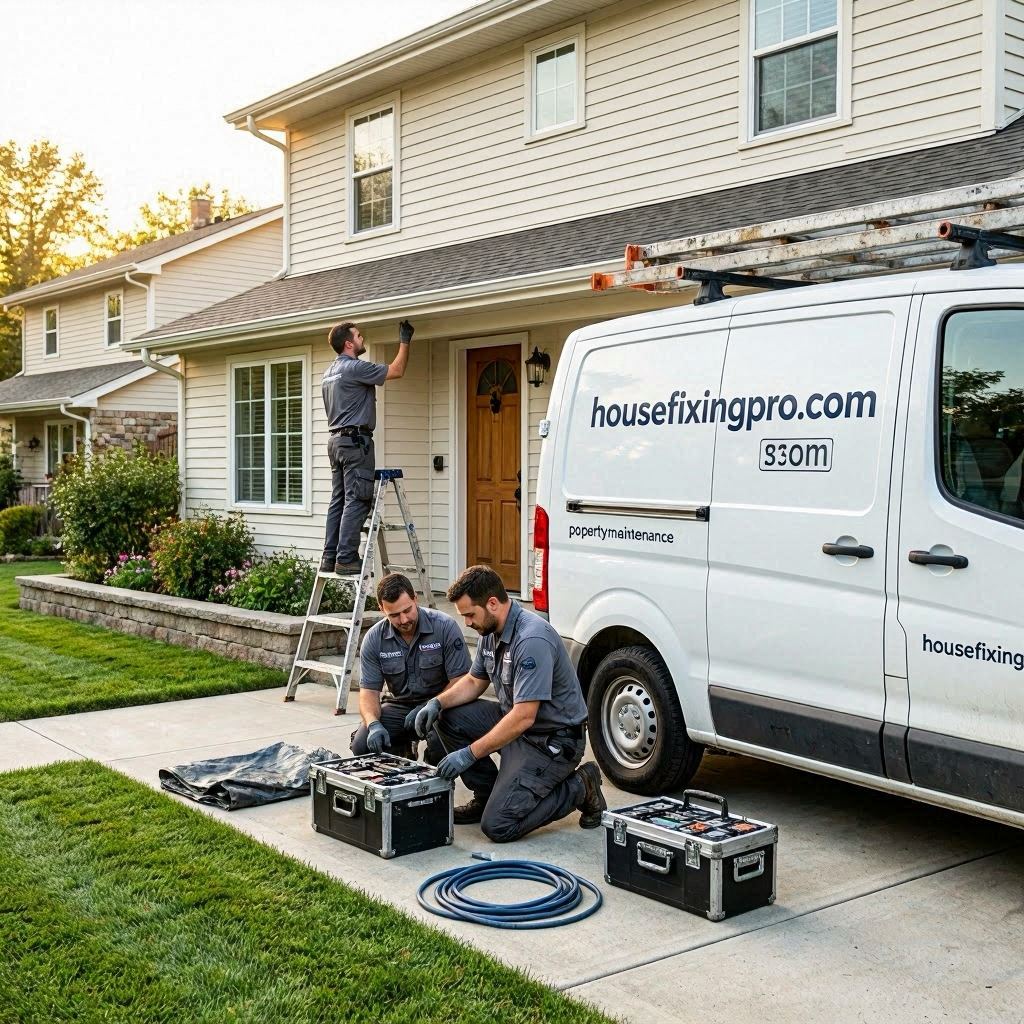
That shift in thinking is changing how homeowners approach maintenance today. Services like housefixingpro are becoming useful not because people suddenly enjoy repairs, but because people increasingly understand that prevention is easier than crisis management.
The Real Problem Isn’t Repair Work — It’s Finding Reliable Help
Money plays a role in delaying repairs, sure. But surprisingly, uncertainty creates just as much hesitation. People ask the same questions over and over. Who should I call? Can they actually do the work properly? Will they arrive when promised? Will the final price somehow become twice the estimate?
Those questions exist because people have had frustrating experiences. Nearly everybody knows someone who hired help and ended up disappointed. Delayed projects. Poor workmanship. Endless follow-ups. Promises that sounded good at first and slowly faded afterward.
Trust matters a lot when someone enters your home to fix something. More than skill alone, actually. Homeowners want transparency and communication. They want to know what’s happening and why. It sounds simple, but reliability has become one of the most valuable qualities in home services.
Maybe that's because a home isn’t just another property. It’s deeply personal. It’s where birthdays happen. It’s where people recover after difficult days. It’s where children grow up and ordinary evenings become memories years later.
Technology Quietly Changed Home Maintenance Without Much Noise
Years ago, home repair often relied on luck and word-of-mouth recommendations. Someone would say, “I know a guy,” and that became the entire process. Sometimes it worked beautifully. Sometimes… not so much.
Things look different now. People compare services online, read reviews, schedule appointments digitally, and find solutions faster than before. Convenience changed expectations. Nobody wants endless phone calls or uncertainty if they can avoid it.
Platforms like housefixingpro.com fit naturally into this changing world because homeowners increasingly want simplicity. Not everyone needs a massive renovation project or a complete home makeover. Most people just need help handling ordinary repairs before those repairs become major headaches.
And honestly, that feels like a healthier approach overall. Addressing problems early removes unnecessary stress. Small action today often prevents big frustration tomorrow.
A Home Affects Mood More Than We Admit
There’s another side to home maintenance that doesn’t get discussed enough. Living spaces affect emotions. Not dramatically all the time, but quietly.
Think about it. Walking past chipped paint every day or staring at a broken shelf you've meant to fix for months creates tiny moments of irritation. Individually they seem harmless. Collectively they create background stress. Not enough to ruin a day, perhaps, but enough to make a space feel slightly unfinished.
Now compare that feeling to finally repairing something you've ignored for weeks. Suddenly the room feels cleaner. Lighter somehow. You feel oddly relieved, even if the fix itself was small.
People underestimate that emotional effect. Homes shape routines and mental comfort in subtle ways. Clean, functional spaces often create a stronger sense of calm and order. Not perfection — perfection is unrealistic anyway — but care matters.
Maybe Home Maintenance Is Really About Paying Attention
Somewhere along the way people started housefixingpro viewing repairs as interruptions. Annoying tasks that get in the way of life. But maybe that perspective misses something important.
A home is never really "finished." There isn't some magical point where everything becomes complete forever. Life changes. Families grow. Furniture moves. Seasons affect materials. Things wear down because life keeps happening inside those walls.
Maybe maintenance isn’t a burden at all. Maybe it's simply part of caring for something valuable.
After all, homes quietly take care of us every day. They shelter us during storms, hold our routines together, and witness moments we barely notice until years later. Looking after them, in return, feels less like work and more like common sense. Not glamorous, perhaps. But meaningful in ways people often realize only after they’ve lived there long enough.