
There’s a strange thing about business ideas. Sometimes they arrive with noise and excitement—everyone talks about them, social media fills up with opinions, and suddenly the opportunity seems impossible to ignore. Then there are those quieter ideas. The ones that slowly build attention over time. They don’t scream for headlines, but they stay in conversations longer than expected.
Lenskart feels a bit like that.
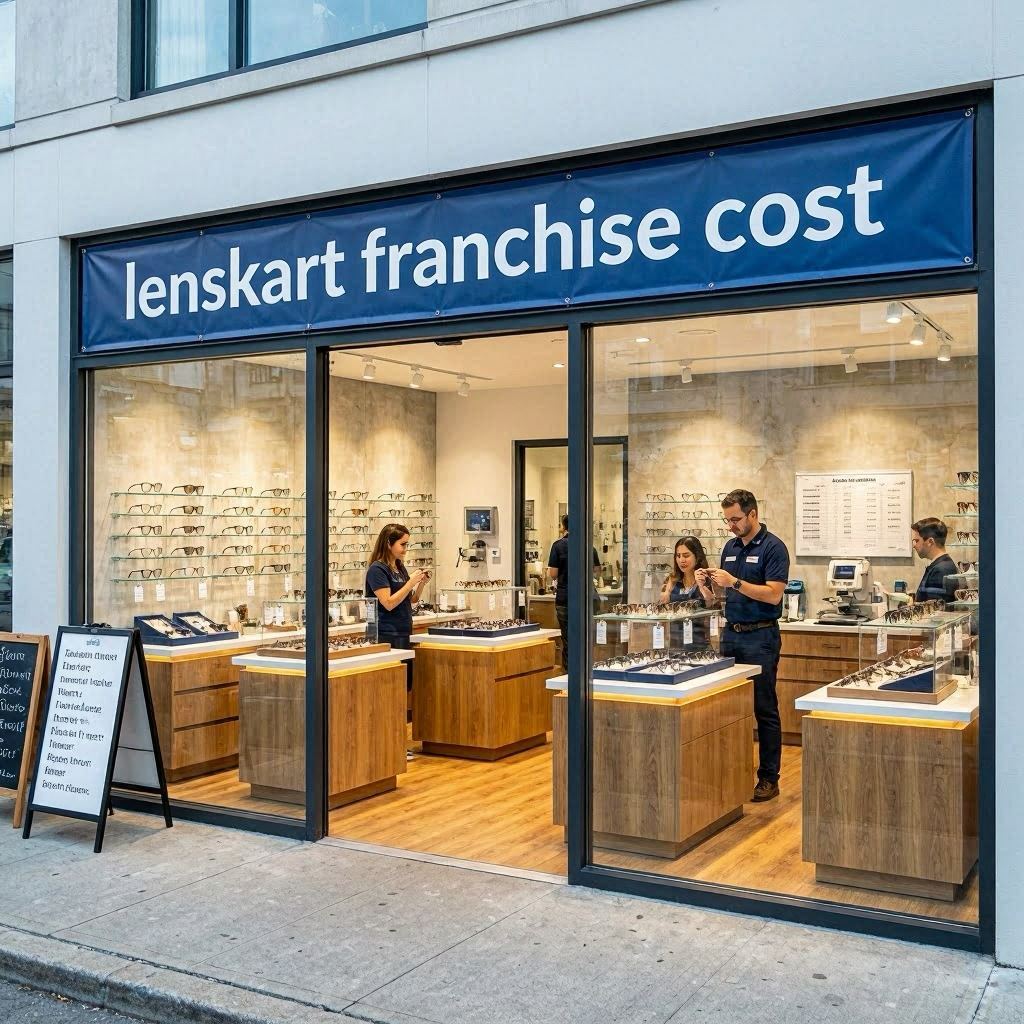
You notice the stores first. lenskart store dealership Then maybe a friend mentions ordering glasses online. A family member talks about getting an eye test done at home. Before long, you realize the brand isn’t just visible—it has become part of how people think about eyewear today. And somewhere between noticing all of that and reading about business trends, many people begin wondering if there’s room to be part of that growth story.
The Eyewear Industry Changed While Most People Weren’t Looking
If someone had asked ten years ago whether eyewear could become a major retail category, many people probably would've shrugged. Glasses were practical. Necessary, yes. Exciting? Not really.
But things shifted.
Today, eyewear sits in a completely different space. It’s fashion, personal style, convenience, and health all mixed together. People own multiple pairs now. One for office use, another for driving, maybe sunglasses for weekends, and blue-light glasses because screens have somehow taken over daily life.
It happened gradually, almost quietly.
Consumers began expecting more choices and smoother experiences. They wanted online browsing, quick service, digital tools, and stores that felt modern rather than clinical. Companies that adapted to those expectations naturally moved ahead.
That’s where Lenskart found its rhythm.
People Don’t Just Invest in Businesses—They Invest in Confidence
There’s a reason franchise models appeal to first-time entrepreneurs. Starting something entirely from scratch sounds exciting at first, until reality shows up with rent agreements, staffing challenges, marketing expenses, and a hundred decisions nobody warned you about.
A recognized brand removes some of that uncertainty.
Not all of it, of course. Running any business still requires effort. But familiarity matters. Customers walking into a known retail outlet already carry expectations and trust. That can make a real difference, especially during the early months.
For many people researching opportunities, terms like lenskart store dealership often become part of the search process because they want to understand whether joining an established ecosystem offers advantages over creating something independently.
And honestly, that curiosity feels understandable.
Business is hard enough. Nobody objects to a little guidance.
The Questions Usually Begin With “How Does This Actually Work?”
Once people move beyond initial curiosity, practical thinking starts taking over.
The questions become more specific.
How much space is required? Is previous retail experience necessary? What kind of operational support exists? How involved does the owner need to be every day?
These aren’t glamorous questions, but they matter.
Sometimes business opportunities look great from a distance because we only see polished stories and successful outcomes. We rarely see the small realities hidden underneath. Staff training sessions. Inventory tracking. Customer complaints. Long days that stretch longer than expected.
Owning a business eventually becomes part of ordinary life, and ordinary life has a way of becoming very real, very fast.
That’s why people who research carefully often end up making stronger decisions.
Numbers Matter, But They Never Tell the Entire Story
Money conversations always arrive eventually. They have to.
No matter how exciting a business opportunity appears, people want clarity around investment expectations. And that's fair. Financial planning isn't something most people enjoy improvising.
As a result, searches around lenskart store franchise cost naturally attract attention because understanding financial commitments helps people decide whether an opportunity realistically fits their goals and resources.
Still, focusing only on startup figures can create a slightly incomplete picture.
A business isn't just an amount written on paper.
Location matters. Foot traffic matters. Customer experience matters. The surrounding neighborhood matters too. Sometimes two identical stores in different locations produce completely different outcomes.
Funny enough, business often behaves less like mathematics and more like human psychology.
People buy from places where they feel comfortable. They return where they feel understood.
And numbers alone can’t predict that.
Retail Has Always Been About Human Moments
There’s something people overlook when discussing business opportunities. They talk about profits and growth but rarely talk about interactions.
Yet retail quietly runs on moments.
Someone trying glasses for the first time.
A customer asking ten questions before deciding.
Parents helping a child choose frames.
An older customer finally replacing a pair they’ve worn for years.
Small experiences like these happen every day, and somehow they become part of what customers remember.
Physical stores still matter because people enjoy being guided. Technology helps, absolutely. Online shopping offers convenience. But there’s still something reassuring about seeing products in person and hearing someone say, “Take your time.”
Those moments sound simple, but they matter more than many business reports suggest.
Business Decisions Rarely Happen in One Big Moment
People often imagine entrepreneurs making sudden choices. One day they decide, and the next day plans begin.
Real life usually works differently.
Most business journeys start quietly.
An article gets bookmarked.
A video gets watched late at night.
A discussion over tea turns into serious research.
Curiosity slowly becomes intention.
And before long, people find themselves imagining possibilities they hadn’t seriously considered before.
That’s probably what makes lenskart store franchise cost opportunities interesting in the first place. They rarely arrive with flashing lights or dramatic certainty. Sometimes they appear through repeated curiosity and small questions that refuse to disappear.
The eyewear business may never be the loudest industry in the room. But it serves an everyday need, and everyday needs tend to stick around.
Maybe that’s why interest continues growing. Not because people are chasing trends, but because they’re searching for something steady. And in business, steady has a way of becoming surprisingly powerful over time.