
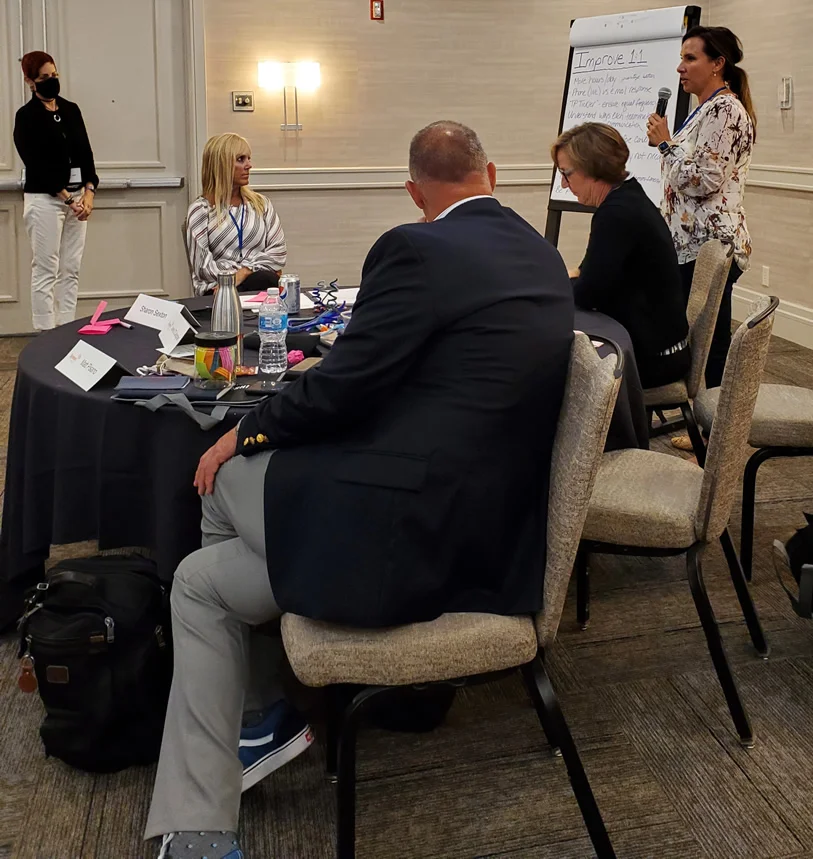
The way leaders respond during difficult moments often determines how teams respond as well. When uncertainty appears, employees do not just look for answers. They look for confidence, direction, and reassurance that progress is still possible. Leading with optimism is not about ignoring problems or creating false positivity. It is about helping people see challenges clearly while believing they have the ability to overcome them.
The Leadership Energy That Shapes Team Behavior
Teams often reflect the mindset of the people leading them. When leaders approach challenges with fear, frustration, or uncertainty, that energy can spread quickly. People become more cautious, decisions slow down, and creativity begins to decline.
Optimistic leadership creates a different environment. It helps people focus on solutions instead of staying trapped in problems. A strong leader does not walk into a difficult situation and pretend everything is fine. Instead, they acknowledge the reality, create clarity, and remind the team that challenges can be managed.
This mindset creates psychological safety. Employees feel more comfortable sharing ideas, raising concerns, and taking ownership because they know setbacks will be treated as opportunities to learn rather than reasons for blame.
The Hidden Cost of a Negative Leadership Culture
Many teams do not lose momentum because they lack talent. They lose momentum because fear slowly changes how people operate. When employees expect criticism for mistakes, they become less likely to experiment or suggest new approaches.
Over time, this creates a culture where people protect themselves instead of contributing fully. Meetings become focused on explaining problems rather than solving them. Good ideas remain unspoken. Employees may continue completing their responsibilities, but the extra effort and creativity that drive growth begin to disappear.
This is why Leading with Optimism Doylestown focuses on developing leadership behaviors that strengthen confidence, trust, and connection within teams. Optimism is not just a personal mindset. It influences how an entire organization responds under pressure.
How Optimistic Leaders Build Confidence During Uncertainty
Great leaders understand that confidence is not created through words alone. It is built through consistent actions. The way a leader handles a setback, responds to mistakes, and communicates during uncertainty sends a powerful message to the team.
For example, when a project does not deliver the expected results, an optimistic leader does not search for someone to blame. They ask better questions. What can we learn? What needs to change? How can we improve the next step?
These conversations shift the team from frustration to progress. Employees begin to see challenges as temporary obstacles rather than permanent limitations. That shift in perspective creates stronger decision-making and better problem-solving.
Why Optimism Becomes a Business Advantage
Organizations often focus on strategies, systems, and technology when looking for growth. However, those things only create results when people are prepared to execute them. A team that lacks confidence will struggle to adapt, even with the best resources available.
Optimistic leaders create teams that are more resilient because they strengthen belief. Employees become more willing to collaborate, take responsibility, and approach challenges with a solution-focused mindset.
This is where leading with optimism becomes more than a leadership style. It becomes a performance advantage. Teams that believe improvement is possible are more likely to innovate, recover faster from setbacks, and continue moving forward when conditions become difficult.
Creating a Culture Where People Want to Give Their Best
The strongest teams are not built only through skills and processes. They are built through the daily experiences people have with their leaders. A leader who listens, encourages growth, and communicates confidence creates an environment where people feel valued.
Small leadership moments create lasting impact. Recognizing progress, encouraging honest conversations, and showing trust can change how employees view their role within the organization.
When people believe their efforts matter, they do more than complete tasks. They contribute ideas, support their teammates, and take ownership of shared success.
Final Remarks
The difference between surviving and thriving teams is often found in how leaders respond to challenges. Problems will always exist, but the mindset surrounding those problems determines what happens next.
Leading with optimism is not about avoiding reality. It is about facing reality with confidence, purpose, and a belief that better outcomes are possible. When leaders create this environment, teams become stronger, more adaptable, and better prepared to succeed in any situation.