
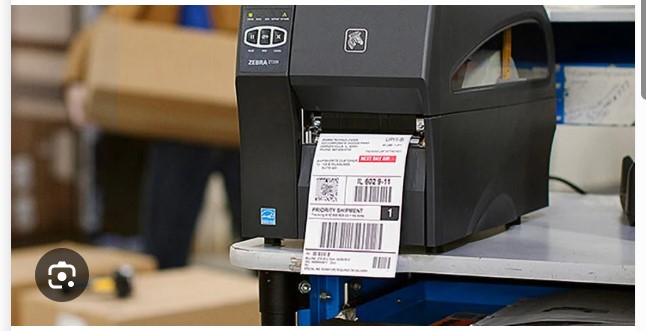
Thermal printing labels are a cornerstone of modern labeling solutions, providing businesses with durable, efficient, and high-quality labeling options. These labels are used across industries for product identification, asset tracking, inventory management, and shipping. Thermal printing labels offer clear, long-lasting prints that withstand harsh environments, making them a reliable choice for professional and industrial applications.
This article explores the types, benefits, applications, and best practices for using thermal printing labels, helping businesses and professionals choose the right option for their labeling needs.
What Are Thermal Printing Labels?
Thermal printing labels are specially designed labels used with thermal printers, which use heat to transfer ink onto the label surface. Unlike traditional ink-based printing, thermal printing produces clear and smudge-resistant text, barcodes, and graphics.
There are two main types of thermal printing labels:
- Direct Thermal Labels: These use heat-sensitive paper to produce images directly without the need for ribbons. They are ideal for short-term labeling needs, such as shipping or product identification for a limited time.
- Thermal Transfer Labels: These require a thermal ribbon that transfers ink onto the label. Thermal transfer labels are highly durable, resistant to abrasion, chemicals, and extreme temperatures, making them perfect for long-term applications.
Benefits of Thermal Printing Labels
Durability
thermal printing labels especially thermal transfer labels, are designed to resist harsh environments, including moisture, heat, chemicals, and UV exposure. This ensures labels remain legible for extended periods.
High-Quality Printing
Thermal printers produce crisp, clear text and barcodes, ensuring readability and accuracy, which is crucial for inventory management and compliance.
Cost-Effective
By eliminating the need for ink cartridges and using on-demand printing, thermal printing labels reduce waste and save money in the long term.
Versatility
Thermal printing labels are available in various sizes, materials, and colors, making them suitable for a wide range of applications.
Types of Thermal Printing Labels
Self-Laminating Thermal Labels
These labels have a clear laminate layer that folds over the printed area, protecting text and graphics from abrasion and environmental damage. They are commonly used for wire and cable labeling.
Colored Thermal Labels
Colored thermal labels allow for easy categorization, identification, or safety labeling. They are ideal for color-coding inventory, assets, or documents.
Waterproof and Weather-Resistant Labels
Designed to withstand outdoor or industrial conditions, these labels remain legible even when exposed to water, chemicals, or extreme temperatures.
How to Choose the Right Thermal Printing Labels
When selecting thermal printing labels, consider the following factors:
- Printer Compatibility: Ensure labels are compatible with your direct thermal or thermal transfer printer.
- Material: Vinyl, polyester, or paper depending on durability and application.
- Adhesive Type: Permanent or removable adhesive depending on whether the label needs to be long-lasting or temporary.
- Size: Choose labels that fit your printer and the surfaces to be labeled.
- Environmental Conditions: Select labels that can withstand heat, moisture, chemicals, or outdoor exposure as required.
Applications of Thermal Printing Labels
Thermal printing labels are used in multiple industries and scenarios:
- Retail and Logistics: Shipping labels, product identification, and inventory tracking.
- Healthcare: Laboratory sample labeling, medical equipment identification, and patient information.
- Manufacturing: Asset tracking, equipment labeling, and safety information.
- Electrical and Telecommunications: Wire and cable identification, panel labeling, and industrial tagging.
Using the right thermal printing labels ensures efficiency, durability, and professional labeling results across various industries.
FAQs About Thermal Printing Labels
Q1: Can thermal printing labels be used with handheld label printers?
A1: Yes, many handheld label printers support thermal printing labels, allowing for on-site printing of durable labels.
Q2: Are thermal printing labels durable for outdoor use?
A2: Thermal transfer labels made from vinyl or polyester are highly resistant to outdoor conditions, including moisture, sunlight, and chemicals.
Q3: Can thermal printing labels be color-coded?
A3: Yes, colored thermal labels are available for categorization, inventory management, and safety labeling.
Conclusion
Thermal printing labels are an essential solution for businesses and professionals who require durable, high-quality, and efficient labeling. With options like direct thermal and thermal transfer labels, as well as waterproof, colored, and self-laminating varieties, these labels meet a wide range of industrial, commercial, and retail needs. Choosing the right thermal printing labels ensures accurate, long-lasting, and professional results, improving organization, safety, and operational efficiency. Investing in high-quality thermal printing labels is a smart choice for any business seeking reliable and effective labeling solutions.