
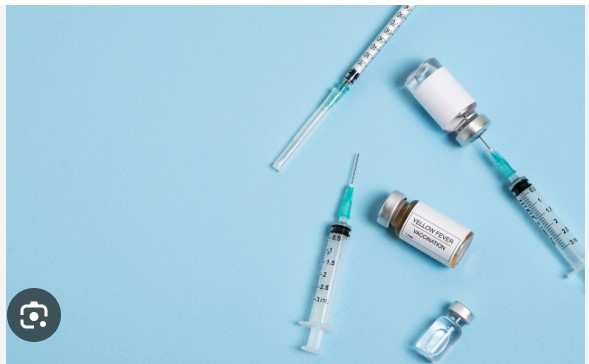
Introduction to the Syringes Industry
The syringes industry is one of the most essential sectors in modern healthcare. These devices are critical for administering medications, vaccines, and other fluids, as well as for drawing blood or collecting biological samples. Over the years, the industry has evolved significantly, driven by technological innovations, stringent safety standards, and the growing demand for patient-centered healthcare.
Syringes are now more than simple tools—they are precision instruments that contribute to the accuracy, safety, and efficiency of medical procedures. Understanding the types of syringes and uses is fundamental for healthcare professionals, laboratory technicians, and even veterinary practitioners, as it ensures proper application and optimal patient care.
Overview of Syringe Design
Syringes are typically composed of three main components: the barrel, the plunger, and the needle. The barrel holds the fluid, the plunger allows controlled movement of the liquid, and the needle serves as the delivery point. Materials commonly used include medical-grade plastics such as polypropylene and polycarbonate, while glass syringes are often used in high-precision or laboratory applications.
Manufacturers produce both single-use and reusable syringes. Single-use syringes are standard in most clinical settings to prevent cross-contamination and infection, while reusable syringes require rigorous sterilization protocols.
Types of Syringes and Uses
The types of syringes and uses vary widely depending on clinical, laboratory, and veterinary needs. Each type is designed to meet specific medical requirements, enhance safety, and improve precision.
Hypodermic Syringes
Hypodermic syringes are the most commonly used type. They are designed for intramuscular, subcutaneous, and intravenous injections, as well as for blood sampling. They come in various capacities to accommodate different doses, making them versatile for both adults and children.
Insulin Syringes
Insulin syringes are specifically engineered for patients with diabetes. They feature fine needles and small-volume barrels to ensure precise dosing. Regular insulin administration demands comfort, accuracy, and ease of use, which these syringes provide.
Safety Syringes
Safety syringes incorporate features like retractable needles or needle shields to prevent accidental needle-stick injuries and reduce the risk of infection. These are particularly valuable in high-volume clinical settings where healthcare workers handle multiple injections daily.
Catheter Tip Syringes
Catheter tip syringes have a tapered tip that allows direct connection to feeding tubes or medical catheters. They are used for enteral feeding, wound irrigation, or flushing intravenous lines. This design ensures fluid is delivered accurately and safely without leakage.
Tuberculin Syringes
Tuberculin syringes are small-capacity syringes designed for precise dosing of vaccines or medications, especially in pediatric care or diagnostic tests such as tuberculosis testing. Their fine needle and small barrel provide accurate measurements for sensitive applications.
Dental Syringes
Dental syringes are designed for administering local anesthesia during dental procedures. They often feature ergonomic designs to improve comfort and control for dentists while minimizing discomfort for patients.
Veterinary Syringes
Veterinary syringes are adapted to administer medications, vaccines, or fluids to animals of varying sizes. The types of syringes and uses in veterinary medicine often require larger capacities or longer needles for larger animals, demonstrating the flexibility and importance of syringes beyond human healthcare.
Key Applications of Syringes
Medication Administration
Syringes are essential for delivering accurate types of syringes and uses doses of medications. Whether intravenous, intramuscular, or subcutaneous, proper syringe selection ensures therapeutic effectiveness and patient safety. Using the correct type of syringe helps minimize discomfort, prevent tissue damage, and reduce the risk of dosing errors.
Vaccination Programs
Syringes play a critical role in global immunization efforts. They allow healthcare providers to administer vaccines safely, accurately, and efficiently. Choosing the right syringe for each vaccine ensures proper dosage and reduces patient discomfort, which is essential in large-scale immunization campaigns.
Laboratory Use
In laboratory environments, syringes are vital for handling precise fluid volumes, transferring reagents, and preparing samples. Specialized syringes help maintain accuracy, prevent contamination, and facilitate research and diagnostic work.
Emergency and Critical Care
In emergency settings, syringes are indispensable for rapid drug administration, fluid resuscitation, and blood collection. Quick and accurate delivery of medications can be lifesaving, making the availability of reliable syringes critical in high-pressure medical situations.
Veterinary Care
Syringes are widely used in veterinary medicine for vaccinations, medication administration, and fluid therapy. Different types of syringes and uses are adapted to suit various animal sizes and species, ensuring safe and effective care.
Innovations in Syringe Technology
Safety Enhancements
Modern syringes incorporate features that enhance safety for both patients and healthcare providers. Retractable needles, needle shields, and lockable plungers reduce the risk of needle-stick injuries and cross-contamination.
Ergonomic Designs
Ergonomically designed syringes improve comfort and control for healthcare workers, especially those performing multiple injections in a short period. Smooth plungers, textured grips, and balanced designs help reduce fatigue and improve precision.
Low Dead Space Syringes
Syringes with low dead space minimize residual fluid, ensuring accurate dosing and reducing waste. This feature is particularly important for vaccines and expensive medications where precision is critical.
Environmentally Friendly Materials
With the increased use of disposable syringes, manufacturers are exploring recyclable and biodegradable plastics to reduce environmental impact while maintaining sterility and safety.
Market Trends and Global Demand
The syringes industry is experiencing steady growth due to increasing healthcare needs, population growth, and widespread immunization programs. Aging populations and the prevalence of chronic diseases drive higher demand for syringes, particularly in home healthcare and outpatient settings.
Emerging markets are investing in healthcare infrastructure, which boosts syringe production and availability. Meanwhile, established markets focus on technological advancements, regulatory compliance, and patient-focused design to enhance safety and efficiency.
Impact on Patient Care
Syringes have a direct and substantial impact on patient care. They allow precise medication delivery, facilitate safe vaccination programs, and support laboratory and research procedures. Understanding the types of syringes and uses ensures that healthcare providers select the right device for each application, improving outcomes and minimizing risks.
Innovations in design, safety, and ergonomics enhance the efficiency and effectiveness of medical procedures. Reliable and accurate syringes reduce treatment errors, minimize patient discomfort, and provide healthcare professionals with tools they can trust.
Conclusion
The syringes industry is a cornerstone of modern healthcare. These devices support accurate, safe, and efficient delivery of medications, vaccines, and fluids across diverse clinical, laboratory, and veterinary applications.
With continuous advancements in safety features, ergonomic designs, low dead space technology, and environmentally sustainable materials, syringes continue to evolve to meet the demands of modern medicine. Understanding the types of syringes and uses is essential for healthcare providers and institutions to optimize patient care, ensure accurate treatment, and support global medical innovation.
Although small in size, syringes have a profound impact on healthcare, influencing patient safety, treatment efficiency, and the quality of medical services worldwide.