
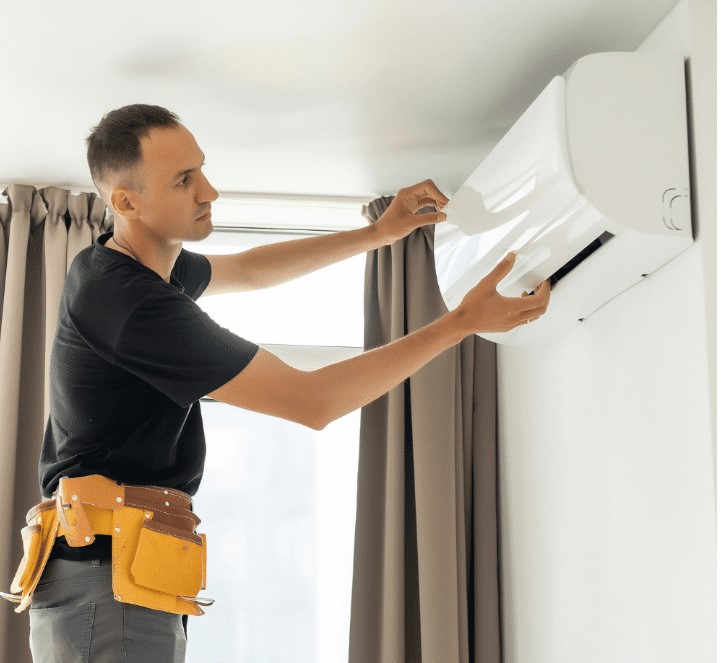
Melbourne's changing weather can make indoor comfort a year round consideration. Choosing air conditioning Melbourne homeowners can use for both hot summer days and cooler periods involves more than simply selecting the largest or most powerful unit available.
Different homes have different layouts, insulation levels and comfort requirements. Split systems, multi split units and ducted systems each have advantages depending on the property. Understanding these options can help homeowners make a more informed decision before arranging installation.
Air Conditioning Melbourne: Start With Your Home's Needs
Before comparing brands or models, consider how much of the home needs heating and cooling. A household wanting to condition one living room has very different requirements from a family seeking temperature control across several bedrooms and shared areas.
The home's physical characteristics also matter. Room size, ceiling height, window area, orientation, insulation and the number of occupants can all influence heating and cooling requirements. This is why system selection should be based on the property rather than a simple floor area estimate alone.
Important factors include:
- Number and size of rooms
- Ceiling height
- Insulation
- Window size and orientation
- Areas used most frequently
- Existing heating and cooling
- Available outdoor unit space
- Household usage patterns
A professional assessment can help determine the appropriate capacity and system configuration. Correct sizing is important for comfort, performance and efficient operation.
Split Systems Suit Individual Rooms and Zones
Split system air conditioning is widely used for individual rooms and open plan areas. These systems generally consist of an indoor unit connected to an outdoor unit, allowing a specific part of the home to be heated or cooled independently.
This approach can work well when only certain rooms require regular temperature control. For example, a household may prioritise the main living area during the day and use a separate system in a bedroom when required.
Reverse cycle split systems can provide both heating and cooling from the same unit. This makes them a practical option for Melbourne homes where comfort is needed across different seasons.
However, a single split system will not suit every layout. Large or divided homes may need several units or another system type to achieve consistent temperatures across multiple areas.
Multi Split Systems Can Serve Several Rooms
A multi split system connects several indoor units to one outdoor unit. This can be useful when homeowners want individual room control but have limited space available for multiple outdoor units.
Each indoor unit can generally be controlled separately, allowing occupants to condition the rooms they are using. This may suit homes where bedrooms and living spaces have different schedules.
Installation requires careful planning because the system needs to be appropriately designed for the number of indoor units and their locations. Pipe runs, outdoor unit placement and access for future maintenance should all be considered.
A multi split system is not automatically preferable to separate split systems. The right choice depends on the property, required capacity, installation conditions and how the household expects to use each room.
Ducted Air Conditioning Offers Whole Home Comfort
Ducted systems distribute conditioned air through ducts connected to outlets positioned throughout the home. Much of the equipment is concealed, making ducted air conditioning appealing to homeowners who prefer a less visible indoor setup.
Zoning can allow different parts of the property to be managed separately, depending on the system design. This means unused areas may not always need the same level of conditioning as occupied rooms.
However, ducted systems require suitable space for indoor equipment and ductwork. Existing homes can present installation challenges that may not arise during a new build or major renovation.
Before choosing ducted air conditioning, consider:
- Available roof or ceiling space
- Number of rooms requiring conditioning
- Zoning requirements
- Location of outlets and return air
- Access for installation and servicing
- Overall system capacity
For some homes, ducted systems provide a practical whole house solution. For others, several strategically placed split systems may better suit the layout and budget.
Reverse Cycle Systems Provide Heating and Cooling
Reverse cycle air conditioners can operate in cooling and heating modes. Instead of requiring completely separate systems for summer and winter, one installation can provide temperature control across both seasons.
In cooling mode, the system transfers heat from inside the home to the outside. In heating mode, the refrigeration cycle is reversed so heat is transferred into the indoor space.
This flexibility is one reason reverse cycle technology is commonly considered during renovations and home electrification projects. However, performance still depends on correct sizing, installation and the thermal characteristics of the building.
Expert tip: Improving draught sealing and insulation can complement heating and cooling upgrades. A well selected system still has to work harder when conditioned air continually escapes from the home.
System Size Matters More Than Many Homeowners Realise
Choosing a system based only on price or physical appearance can lead to poor results. An undersized unit may struggle to reach the desired temperature, particularly during demanding weather conditions.
Oversizing is not necessarily the solution either. The appropriate capacity should reflect the room or home's heating and cooling load rather than relying on the assumption that more power is always better.
A proper assessment considers factors beyond floor area. Windows, orientation, ceiling height and insulation can significantly affect how much heating or cooling a space requires.
For example, two living rooms of identical size may require different solutions if one has extensive west facing glazing while the other is well insulated and receives less direct afternoon sun.
Energy Efficiency Should Be Part of the Decision
Purchase price is only one cost associated with an air conditioner. Electricity use over the life of the system can also affect the overall cost of ownership.
When comparing models, consider their energy performance alongside capacity and features. An efficient system that is correctly sized and used sensibly may provide better long term value than choosing solely on the lowest upfront price.
Household habits also affect energy use. Closing doors to unused areas, maintaining sensible thermostat settings and keeping windows closed while the system operates can reduce unnecessary demand.
Regular cleaning and appropriate servicing can also support performance. A system that has restricted airflow or a developing fault may not operate as intended.
Regular Aircon Services Help Maintain Performance
Even a well installed system needs ongoing attention. Filters collect dust over time, while other components can require inspection, cleaning or maintenance as the equipment ages.
Basic filter cleaning may be possible for homeowners where the manufacturer provides suitable instructions. More involved maintenance and repairs should be left to appropriately qualified technicians.
Professional aircon services may involve:
- Inspecting system operation
- Checking airflow
- Cleaning relevant components
- Investigating unusual noises
- Diagnosing heating or cooling problems
- Identifying signs of wear
- Checking drainage issues
Do not wait for complete system failure before paying attention to changes. Reduced airflow, unusual noises, unexpected odours or declining performance can indicate that professional assessment is worthwhile.
Consider Installation Before Buying a System
The best system on paper may not be suitable if it cannot be installed appropriately in the property. Indoor and outdoor unit locations, drainage, electrical requirements and access all need consideration.
Outdoor units also need appropriate positioning according to manufacturer requirements. Restricted airflow or unsuitable placement can affect operation and make future servicing more difficult.
During renovations, discuss heating and cooling plans before walls, ceilings and cabinetry are completed. Early planning can provide more flexibility for pipework, ducting, electrical connections and equipment placement.
Businesses such as Melbourne Gas & Air can assess the property and discuss available options based on the home's layout and comfort requirements. The goal should be to select a system that suits the building rather than forcing a preferred system into an unsuitable space.
Conclusion
Choosing air conditioning Melbourne homeowners can rely on starts with understanding the property and how each area is used. Split systems can provide targeted heating and cooling, multi split configurations can serve several rooms, and ducted systems may suit households seeking broader whole home coverage.
Capacity, energy efficiency, installation conditions and ongoing aircon services should all form part of the decision. Focusing only on purchase price can overlook factors that influence comfort and operating costs over the life of the equipment.
Before installing or replacing a system, consider the home's layout, insulation and actual heating and cooling needs. A well planned air conditioning solution can provide more practical temperature control through Melbourne's changing seasons without relying on unnecessary capacity or features.