
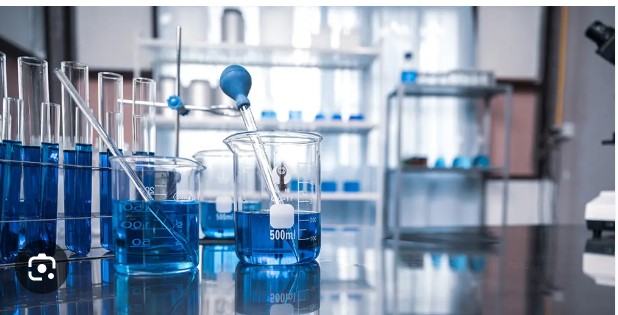
How do you select the ideal lab water system for laboratories and industrial applications? High-quality lab water systems provide purified, contaminant-free water essential for accurate experiments, pharmaceutical testing, and analytical processes. Proper water treatment ensures reliable results, protects sensitive instruments, and supports regulatory compliance.
Why Lab Water Systems Are Important
Lab water systems are critical for several reasons:
- Experimental Accuracy: Contaminant-free water ensures reliable and reproducible results.
- Equipment Protection: Reduces scaling, corrosion, and damage to sensitive laboratory instruments.
- Regulatory Compliance: Meets national and international laboratory standards.
- Operational Efficiency: Continuous supply of purified water ensures smooth workflows.
Key Features to Consider
When selecting a lab water system, consider:
- High Purity Levels: Ensures removal of ions, microbes, and chemical contaminants.
- Capacity: Sufficient for daily and peak laboratory demands.
- Durable Construction: Long-lasting materials reduce maintenance needs.
- Automation and Monitoring: Smart systems maintain water quality and provide alerts for deviations.
Mid-Article Link Example
A reliable option is the lab water system, which combines advanced purification, durable construction, and automated monitoring to deliver consistent, high-purity water for laboratory operations.
Benefits of Lab Water Systems
- Consistent Water Quality: Ensures accurate laboratory analyses and experiments.
- Reliable Operations: Continuous water supply minimizes workflow interruptions.
- Reduced Equipment Risk: Protects sensitive instruments from scaling and contamination.
- Cost Efficiency: Durable systems reduce long-term maintenance and operational expenses.
FAQs
1. Why is a lab water system necessary?
It provides purified, contaminant-free water essential for accurate experiments and testing.
2. What features are important in a lab water system?
High purity, adequate capacity, durable construction, and automated monitoring.
3. How is water quality maintained in lab water systems?
Through regular maintenance, monitoring, and adherence to purification protocols.
Conclusion
Selecting the right lab water system is crucial for ensuring accurate experimental results, protecting equipment, and maintaining compliance with standards. High-quality systems provide contaminant-free water, support smooth laboratory operations, and ensure long-term reliability. Investing in a professional lab water system guarantees consistent performance, durability, and operational efficiency.