
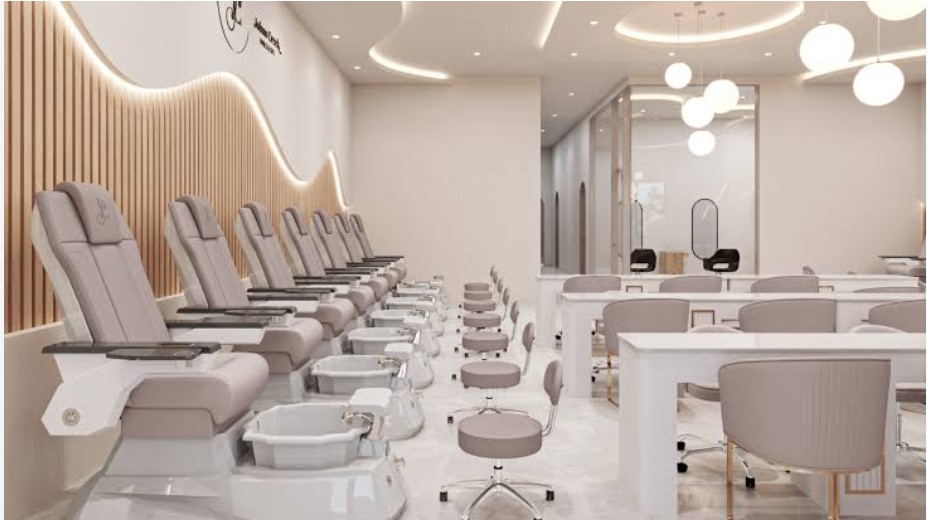
Few pieces of equipment define a nail salon's client experience quite as directly as the pedicure chair. Understanding what genuinely matters when selecting this equipment helps salon owners make an investment decision that supports both client comfort and daily operational efficiency for years to come.
Beyond Basic Seating and Footbath Function
A pedicure chair combines several functional elements, including comfortable reclining seating, an integrated footbath basin, and often additional features like massage or heating functionality, all working together to create the foundation for a genuinely relaxing client experience during service.
Evaluating Build Quality and Materials
Given the daily commercial use pedicure chairs face, evaluating frame construction, upholstery durability, and overall build quality matters considerably for long-term reliability, since equipment facing constant daily use, cleaning, and water exposure needs genuine durability beyond just initial appearance.
Plumbing and Drainage Considerations
The integrated footbath basin requires proper plumbing connection for both water supply and drainage, making installation planning an important consideration alongside the chair purchase itself, particularly for salons working within existing space constraints or retrofitting older locations.
Comfort Features That Enhance Client Experience
Beyond basic functionality, features like massage capability, adjustable reclining positions, and quality cushioning contribute meaningfully to the overall client experience, often justifying a price premium for salons positioning themselves toward a more premium service offering.
Considering Maintenance and Long-Term Care
Pedicure chairs, given their water exposure and mechanical components, require appropriate ongoing maintenance to remain reliably functional. Understanding a specific model's maintenance requirements before purchase helps set realistic expectations for ongoing operational care.
Salon owners researching equipment options can explore detailed feature comparisons through this resource on pedicure chair options for professional salon settings.
Balancing Investment Against Salon Positioning
Higher-end pedicure chairs with additional features command a genuine price premium, and this investment should align with a salon's overall market positioning and pricing strategy, ensuring the equipment choice genuinely supports the intended client experience and business model.
Planning for Multiple Station Layouts
Salons planning multiple pedicure stations need to consider not just individual chair quality but how multiple units fit together within available space, balancing station count against maintaining comfortable spacing for both clients and technicians.
Final Thoughts
Choosing the right pedicure chair requires weighing build quality, feature set, and overall investment against a salon's specific positioning and client expectations, ensuring the equipment genuinely supports both daily operational needs and long-term business success.
Frequently Asked Questions
How often should pedicure chairs undergo maintenance? This varies by model and usage volume, but regular maintenance following manufacturer guidelines helps ensure long-term reliability given the equipment's water exposure and mechanical components.
Are massage features worth the added cost? This depends on your salon's positioning, though many salons find massage functionality genuinely enhances client experience and justifies premium service pricing.
What plumbing considerations matter most for pedicure chair installation? Proper water supply and drainage connections are essential, making installation planning an important consideration alongside the equipment purchase itself.