
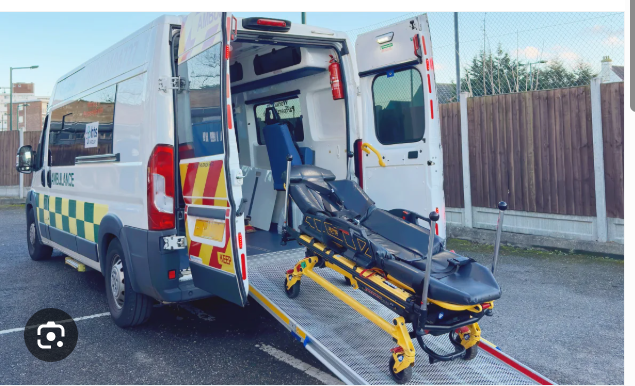
Understanding Medical Evacuation
Medical evacuation is a vital service in healthcare that ensures patients receive rapid and safe transportation from one location to a medical facility. It is specifically designed for situations where immediate medical attention is required, often in cases of severe injury, sudden illness, or remote locations where traditional healthcare access is limited. The goal of medical evacuation is to stabilize patients during transit and deliver them to appropriate care facilities efficiently.
Key Situations Requiring Medical Evacuation
Medical evacuation is employed in a variety of urgent situations, including:
- Accidents and Trauma: Victims of road accidents, industrial incidents, or natural disasters.
- Critical Illnesses: Patients experiencing heart attacks, strokes, or respiratory failure.
- Remote Area Emergencies: Individuals in rural or isolated locations without immediate access to hospitals.
- Inter-Facility Transfers: Moving patients from one hospital to another for specialized care or advanced treatment.
By offering prompt intervention, medical evacuation can significantly improve patient survival rates and outcomes.
Modes of Medical Evacuation
Medical evacuation can be carried out using several modes of transport, depending on urgency, distance, and patient condition:
- Air Ambulance: Helicopters or fixed-wing aircraft equipped with life-support systems for long-distance or critical emergencies.
- Ground Ambulance: Advanced vehicles capable of providing pre-hospital care and rapid transport within urban or suburban areas.
- Specialized Vehicles: Equipped with intensive care modules for patients requiring continuous monitoring during transit.
Each mode ensures that patients receive medical attention en route, reducing risks associated with delayed care.
Equipment and Staffing Requirements
High-quality medical evacuation services require specialized equipment and trained personnel to handle emergencies efficiently:
- Medical Equipment: Ventilators, defibrillators, oxygen supplies, and monitoring devices.
- Trained Staff: Paramedics, nurses, and emergency physicians trained in critical care transport.
- Communication Systems: Real-time coordination with hospitals to prepare for patient arrival.
- Safety Features: Secured stretchers, seat restraints, and emergency lighting for safe transport.
Proper equipment and skilled staff are essential for managing patients’ medical conditions during transit.
Planning and Coordination
Successful medical evacuation depends on precise planning and coordination:
- Assessment of Patient Condition: Determines the urgency and appropriate transport mode.
- Route Optimization: Ensures the fastest and safest travel path to the nearest suitable facility.
- Hospital Notification: Preparing the receiving medical team for immediate intervention upon arrival.
- Continuous Monitoring: Staff continuously assess vital signs and administer necessary interventions during transit.
These steps ensure that medical evacuation services operate seamlessly and efficiently.
Advantages of Medical Evacuation Services
Medical evacuation provides numerous benefits to patients and healthcare systems:
- Rapid Response: Ensures critical patients reach healthcare facilities quickly.
- Life-Saving Interventions: Immediate care during transit can prevent further complications.
- Accessibility: Provides medical support in remote or disaster-affected areas.
- Peace of Mind: Families can trust that their loved ones receive professional care during emergencies.
The combination of speed, expertise, and specialized equipment makes medical evacuation an essential component of modern healthcare.
Challenges and Solutions
Despite its importance, medical evacuation services face several challenges:
- High Operational Costs: Maintaining aircraft, vehicles, and trained personnel is expensive.
- Regulatory Compliance: Adhering to aviation, healthcare, and local transport regulations.
- Weather and Terrain Limitations: Air transport may be affected by adverse weather conditions or difficult landscapes.
- Coordination Complexities: Ensuring timely communication between dispatch, transport teams, and hospitals.
Addressing these challenges requires investment in technology, training, and robust operational protocols to ensure patient safety and service efficiency.
Conclusion
Medical evacuation is a critical healthcare service that ensures rapid, safe, and effective transport of patients in emergencies. By combining skilled personnel, specialized equipment, and careful planning, these services play a crucial role in saving lives, especially in situations where time and immediate care are of the essence. As healthcare demands continue to grow and emergencies become more complex, medical evacuation remains an indispensable solution for enhancing patient outcomes and providing peace of mind to families and healthcare providers.