
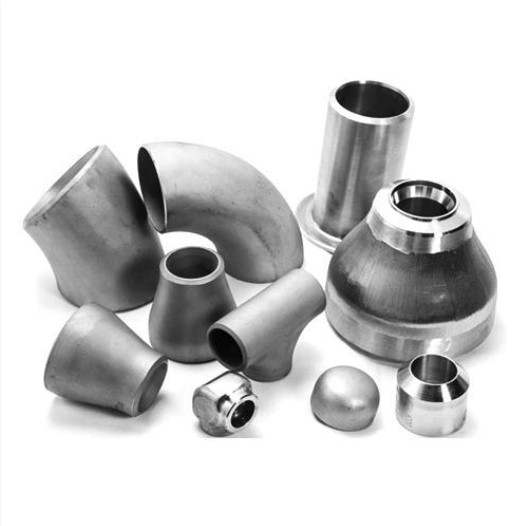
Piping design involves more than selecting straight lengths of pipe. Direction changes, connections, valves, supports, and equipment interfaces must all work together as part of one system.
Elbows are essential for creating directional changes, and titanium versions may be considered where corrosion resistance and weight reduction are useful.
Understanding the System Layout
Before selecting an elbow, engineers should understand the complete piping layout.
The location of pumps, vessels, valves, heat exchangers, and other equipment can determine where directional fittings are required.
Planning the layout first helps ensure that the selected elbow configuration fits the available space.
Selecting the Direction Change
Different elbow angles provide different routing options.
A 90-degree elbow can create a sharp directional change, while a 45-degree elbow provides a different geometry.
The appropriate choice depends on the layout, available space, flow considerations, and engineering requirements.
Consider Flow Characteristics
Piping geometry can affect how fluid moves through a system.
Elbow configuration and bend radius can influence flow behavior. In applications where flow efficiency is especially important, engineers should consider the complete piping design rather than selecting fittings independently.
Titanium as a Material Option
Titanium is known for corrosion resistance and favorable weight characteristics.
These properties can be valuable in selected industrial systems, particularly where exposure to corrosive fluids or marine environments is expected.
However, the specific application should determine whether titanium is the correct choice.
Welding and Assembly
The fitting must be compatible with the connection method used in the piping system.
Where welding is required, titanium-specific procedures should be followed. Appropriate preparation and contamination control are important considerations during fabrication.
Flanged systems require accurate flange and sealing dimensions.
Inspection Before Installation
Before an elbow is installed, its dimensions and surface condition should be checked against the order requirements.
Inspection can identify issues such as incorrect dimensions, surface damage, or specification mismatches before the fitting becomes part of the completed system.
Working With Manufacturers
A manufacturer should receive complete information about the intended fitting.
Useful information includes material grade, pipe size, wall thickness, angle, bend radius, connection type, quantity, and applicable standards.
For industrial buyers, titanium elbow supply can be evaluated based on these technical and quality requirements rather than product name alone.
Maintenance Planning
Piping systems should be inspected according to their operating conditions.
Inspection programs may focus on welds, connections, supports, valves, and areas exposed to unusual operating conditions.
Titanium's corrosion resistance can be an advantage, but maintenance remains necessary for the complete system.
Frequently Asked Questions
1. Why are elbows important in piping systems?
They allow pipelines to change direction while maintaining a connected flow path between different sections of the system.
2. How does bend radius affect an elbow?
Bend radius determines the curvature of the directional change and can influence layout requirements and flow behavior.
3. What information should be sent to a fitting manufacturer?
Material grade, pipe size, wall thickness, angle, bend radius, connection method, tolerances, quantity, standards, and inspection requirements are useful starting points.
Conclusion
Efficient piping design depends on selecting components that work together as a complete system. Titanium elbows can provide useful material characteristics for suitable applications, but their design and dimensions must correspond with the surrounding pipework.
By considering system layout, flow requirements, connection methods, material compatibility, inspection, and maintenance from the beginning, engineers and purchasing teams can develop a more organized approach to fitting selection.