
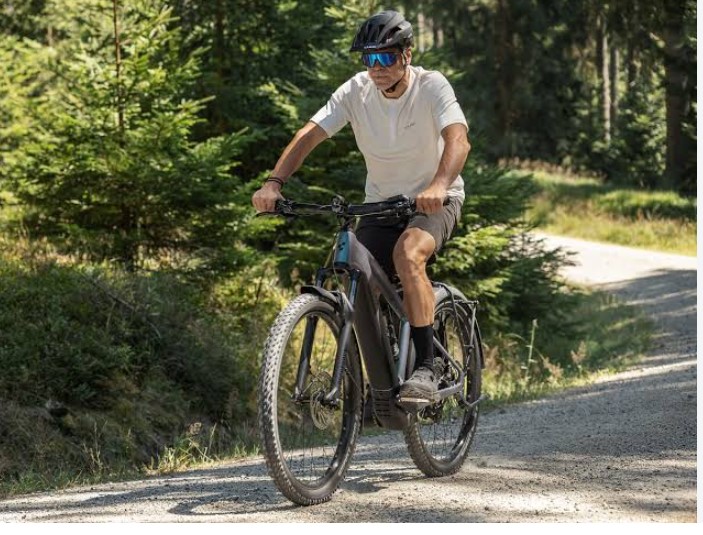
The electric bicycle market continues to develop as consumers and businesses look for practical alternatives for commuting, recreation, and everyday transportation. Germany has a well-established cycling market, and companies interested in sourcing electric bicycles may therefore research electric bike manufacturers Germany when evaluating suppliers, technologies, and product options.
Choosing a manufacturer requires more than comparing prices. Buyers should examine product engineering, battery systems, motor technology, frame construction, quality control, certifications, customization, production capacity, and after-sales support. A structured evaluation process can help businesses identify suppliers that match their intended market and product requirements.
Understanding the German E-Bike Manufacturing Market
Germany has a strong bicycle culture and a developed market for electric bicycles.
Manufacturers and suppliers may focus on different product categories, including city e-bikes, trekking models, cargo bikes, commuter bicycles, and performance-oriented designs.
For international buyers, understanding the manufacturer's specific area of expertise is important. A company specializing in urban commuter bicycles may have different capabilities from one producing high-performance or commercial e-bike systems.
Define the Target Product
Before contacting manufacturers, determine what type of e-bike you want to source.
Consider:
- Intended rider
- Primary use
- Frame style
- Wheel size
- Motor system
- Battery capacity
- Range requirements
- Gear system
- Brakes
- Accessories
- Target market
Having clear specifications makes supplier communication easier and helps prevent unnecessary changes later.
Battery Technology
The battery is one of the most important components of an electric bicycle.
Buyers should review battery chemistry, voltage, capacity, charging system, management electronics, charging time, and replacement options.
Advertised riding range should be interpreted carefully because real-world range can vary according to rider weight, terrain, temperature, speed, tire pressure, assist level, and riding conditions.
Businesses should also consider whether replacement batteries will remain available for future customers.
Motor Systems
Motor characteristics can significantly influence the riding experience.
Important specifications may include rated power, torque, motor location, control system, assistance behavior, and compatibility with the bicycle's overall design.
Rather than choosing a motor based solely on a single numerical specification, compare the complete system and consider the intended use of the bicycle.
Frame Quality and Design
The frame provides the structural foundation of the e-bike.
Frame material, geometry, weld quality, mounting points, cable routing, and component compatibility should all be reviewed.
For cargo or utility bicycles, frame requirements may differ significantly from those of lightweight commuter models.
Electrical Components
An e-bike contains several electrical components beyond the motor and battery.
These may include controllers, displays, sensors, chargers, wiring, lights, and electronic controls.
Reliable integration between these components is important. Buyers should ask manufacturers about component suppliers, testing procedures, replacement availability, and system diagnostics.
Quality Control
Manufacturing quality should be evaluated at several stages.
A professional supplier may conduct incoming component inspection, assembly checks, electrical testing, brake testing, battery checks, final inspection, and packaging verification.
International buyers should ask what quality-control procedures are used and whether inspection records can be provided.
Certifications and Market Requirements
Electric bicycles can be subject to different regulatory requirements depending on the destination market.
Before importing or distributing a product, buyers should determine the applicable requirements for their specific country. Ask the manufacturer for relevant technical documentation and certification information.
Documentation should correspond to the actual model being supplied rather than a similar product.
OEM and Customization
Some businesses need bicycles under their own brand.
Depending on the supplier, customization may include frame colors, logos, graphics, components, accessories, packaging, and other features.
Customization can affect minimum order quantities, development costs, tooling, sample approval, and production time. These factors should be agreed upon before placing a production order.
Production Capacity
A manufacturer's production capacity should match the buyer's expected volume.
Ask about minimum order quantities, sample production, monthly output, lead times, and seasonal production schedules.
If a new e-bike is being launched, allow sufficient time for prototype development, testing, revisions, production, and shipping.
After-Sales Support
An e-bike business needs reliable access to replacement components.
Ask whether the manufacturer can supply batteries, chargers, displays, controllers, motors, brake components, and other service parts.
Warranty terms should also be documented clearly. Good after-sales support can make product maintenance easier for distributors and customers.
Comparing Potential Suppliers
Create a supplier comparison that includes:
- Product specifications
- Battery system
- Motor system
- Frame construction
- Component brands
- Certifications
- Quality control
- Testing
- Customization
- MOQ
- Production capacity
- Lead time
- Spare parts
- Warranty
- Communication
This makes it easier to evaluate suppliers using consistent criteria.
Companies researching electric bike manufacturers Germany can use industry manufacturer information as an initial research source before requesting detailed quotations and technical documentation.
Request Samples
A sample can reveal important details that photographs cannot show.
Inspect frame alignment, welds, paint, component integration, battery installation, display operation, braking, wiring, packaging, and overall build quality.
Testing the bicycle under realistic conditions can also provide useful information before a larger order is placed.
Consider Long-Term Cooperation
Supplier selection should consider future requirements as well as the first shipment.
Discuss product updates, spare-parts availability, warranty procedures, customization, expected order volumes, and communication processes.
A supplier that can support a product throughout its commercial lifecycle may be more useful than one that only provides the initial shipment.
Frequently Asked Questions
1. What should I check when evaluating electric bike manufacturers Germany?
Review manufacturing experience, battery and motor systems, frame construction, quality control, certifications, production capacity, customization, spare parts, warranty, and technical support.
2. Can German e-bike manufacturers offer customized products?
Some manufacturers provide OEM or customized solutions, although the available options and minimum order requirements vary by company.
3. Should I test an e-bike before placing a large order?
Where practical, testing a sample can help verify specifications, riding characteristics, component integration, build quality, and packaging before scaling up the order.
Conclusion
Evaluating electric bike manufacturers Germany requires a detailed look at both technical and commercial factors. Battery technology, motor systems, frame construction, electrical components, quality control, certifications, customization, production capacity, and after-sales support all deserve attention.
For importers and distributors, requesting samples and technical documents before committing to larger quantities can reduce sourcing risks. A clear specification and consistent supplier-evaluation process can help businesses build a reliable e-bike product range suited to their target market.