
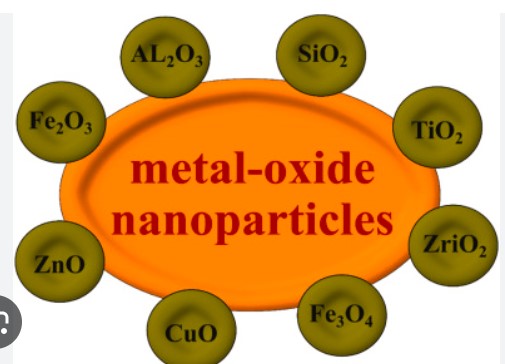
In the rapidly evolving world of material science, the demand for high-performance nano materials continues to grow. Industries such as electronics, coatings, ceramics, and manufacturing require advanced solutions that offer superior strength, durability, and thermal stability. One of the most important materials meeting these needs is aluminum oxide nanoparticles, which have revolutionized the performance of traditional materials.
With their ultra-fine particle size and unique properties, aluminum oxide nanoparticles provide enhanced mechanical strength, improved thermal resistance, and excellent chemical stability. These advantages make them essential in modern industrial applications where precision and performance are critical.
What are Aluminum Oxide Nanoparticles
Aluminum oxide nanoparticles are extremely fine particles of aluminum oxide, typically measuring less than 100 nanometers in size. Their nanoscale structure provides a significantly larger surface area compared to conventional materials.
Key characteristics include:
- High hardness and wear resistance
- Excellent thermal stability
- Superior chemical resistance
- Enhanced mechanical strength
These properties make aluminum oxide nanoparticles suitable for demanding applications across various industries.
Importance of Nanotechnology in Material Science
Nanotechnology has transformed the way materials are designed and used. By reducing particle size to the nanoscale, materials gain improved properties that are not achievable with larger particles.
This leads to:
- Increased strength and durability
- Better resistance to heat and chemicals
- Improved surface properties
- Enhanced performance in complex applications
Aluminum oxide nanoparticles are a prime example of how nanotechnology can enhance material performance.
Key Properties of Aluminum Oxide Nanoparticles
Understanding the properties of aluminum oxide nanoparticles helps in selecting the right material for specific applications.
High Mechanical Strength
The nanoscale structure provides exceptional strength, making these particles ideal for reinforcing materials.
Thermal Resistance
They can withstand high temperatures without losing structural integrity, making them suitable for heat-intensive applications.
Wear and Abrasion Resistance
Their hardness ensures long-lasting performance in environments where friction and wear are common.
Chemical Stability
Aluminum oxide nanoparticles are resistant to corrosion and chemical reactions, ensuring durability in harsh conditions.
Industrial Applications of Aluminum Oxide Nanoparticles
The versatility of aluminum oxide nanoparticles allows them to be used in a wide range of industries.
Electronics Industry
They are used in electronic components for insulation and heat management.
Coatings and Paints
Aluminum oxide nanoparticles improve durability, scratch resistance, and overall coating performance.
Ceramics and Composites
They enhance the strength and thermal stability of ceramic and composite materials.
Manufacturing and Engineering
In manufacturing, they are used to improve the performance of tools and components.
Importance in Advanced Material Applications
The use of aluminum oxide nanoparticles has become essential in modern industries.
By providing superior strength, thermal stability, and resistance to wear, these nanoparticles enable the development of high-performance products that meet industry demands. Their versatility makes them a valuable component in advanced material engineering.
Benefits of Using Aluminum Oxide Nanoparticles
The integration of these nanoparticles offers several advantages.
It improves durability, allowing materials to withstand harsh conditions.
It enhances efficiency by maintaining performance under high temperatures and stress.
It reduces maintenance costs by minimizing wear and damage over time.
It supports innovation by enabling the development of advanced technologies.
Factors to Consider When Using Aluminum Oxide Nanoparticles
To achieve optimal results, manufacturers should consider several factors when working with aluminum oxide nanoparticles.
Proper dispersion is essential to ensure uniform distribution within the material.
The formulation should be carefully designed to match specific application requirements.
Compatibility with other materials must be evaluated to ensure stability and effectiveness.
Processing conditions should be optimized for best performance.
Future Trends in Nanomaterials
As industries continue to evolve, the demand for advanced nanomaterials is increasing. Researchers are focusing on developing innovative solutions that offer improved performance and sustainability.
Emerging trends include nanocomposite materials, eco-friendly production methods, and advanced applications in high-tech industries.
Aluminum oxide nanoparticles are expected to remain a key component in these advancements due to their effectiveness and versatility.
Frequently Asked Questions
What are aluminum oxide nanoparticles used for
They are used in electronics, coatings, ceramics, and manufacturing to improve strength, durability, and performance.
Why are aluminum oxide nanoparticles important
They provide enhanced mechanical and thermal properties, making materials more efficient and long-lasting.
Can they be used in high-temperature applications
Yes, they offer excellent heat resistance, making them suitable for extreme conditions.
Conclusion
The advancement of nanotechnology has significantly improved the performance of materials, and aluminum oxide nanoparticles are a key example of this progress. Their unique properties make them essential for a wide range of industrial applications.
By incorporating aluminum oxide nanoparticles into modern manufacturing processes, industries can achieve improved efficiency, durability, and innovation. As technology continues to advance, these materials will play an increasingly important role in shaping the future of material science and industrial development.