
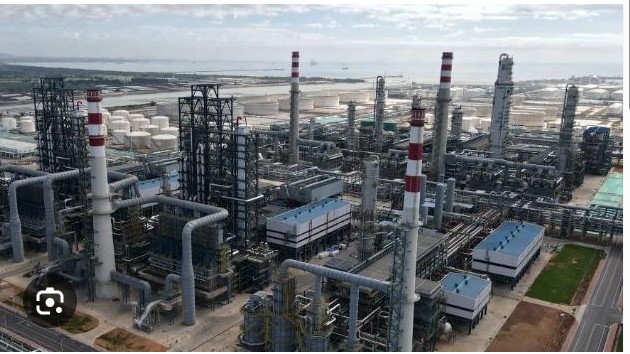
A hydrotreating plant is an essential facility in the petroleum refining industry, designed to remove impurities such as sulfur, nitrogen, and metals from crude oil derivatives. With increasing environmental regulations and the global demand for cleaner fuels, hydrotreating plants have become a vital part of modern refineries. These plants ensure high-quality fuel production while minimizing environmental impact and improving operational efficiency.
By integrating advanced hydrogenation processes, hydrotreating plants enhance fuel performance, reduce emissions, and support sustainable industrial practices.
What is a Hydrotreating Plant?
A hydrotreating plant is a processing unit where petroleum products are treated with hydrogen in the presence of catalysts. This process removes harmful contaminants and improves the overall quality of fuels such as diesel, gasoline, and jet fuel.
Key Objectives of Hydrotreating Plants
- Reduce sulfur content to meet environmental standards
- Remove nitrogen, oxygen, and metal impurities
- Improve fuel stability and performance
- Protect downstream refining processes
How a Hydrotreating Plant Works
The hydrotreating process involves several important stages to ensure effective purification:
Feedstock Preparation
The raw petroleum fraction is preheated to achieve optimal reaction conditions. This step ensures efficient interaction between hydrogen and hydrocarbons.
Catalytic Reaction
The prepared feedstock is mixed with hydrogen and passed through a reactor containing catalysts. These catalysts facilitate chemical reactions that break down impurities into removable compounds.
In advanced refining systems, a hydrotreating plant operates with automated controls to maintain consistent temperature, pressure, and flow rates, ensuring optimal performance.
Separation and Recovery
After the reaction, the mixture is cooled, and unwanted byproducts such as hydrogen sulfide and ammonia are separated. The purified fuel is then collected for further processing or distribution.
Key Components of a Hydrotreating Plant
Modern hydrotreating plants are equipped with sophisticated components to ensure efficient operation:
- Reactor Vessels – Where hydrotreating reactions take place
- Catalyst Systems – Enhance impurity removal efficiency
- Heat Exchangers – Maintain optimal temperature conditions
- Hydrogen Supply Units – Provide hydrogen for the process
- Separation Units – Remove impurities and byproducts
Industrial Applications
Hydrotreating plants are widely used across various industries:
- Fuel Refining – Producing cleaner gasoline, diesel, and jet fuel
- Petrochemical Industry – Preparing feedstock for further processing
- Lubricant Production – Improving base oil quality
- Energy Sector – Supporting cleaner fuel generation
These applications demonstrate the importance of hydrotreating plants in modern industrial operations.
Benefits of Hydrotreating Plants
Environmental Benefits
- Significant reduction in sulfur emissions
- Production of cleaner and eco-friendly fuels
- Compliance with global environmental regulations
Economic Advantages
- Increased value of refined products
- Reduced maintenance costs for equipment
- Improved operational efficiency
Performance Benefits
- Enhanced fuel stability and quality
- Reliable and continuous production
- Better compatibility with modern engines
Technological Advancements
Modern hydrotreating plants incorporate cutting-edge technologies to improve efficiency and sustainability:
- Automated Control Systems – Provide real-time monitoring and optimization
- Advanced Catalysts – Improve reaction efficiency and lifespan
- Energy-Efficient Designs – Reduce power consumption and operational costs
These advancements ensure high productivity, consistent product quality, and long-term reliability.
Challenges and Solutions
Challenges
- High initial investment
- Catalyst degradation over time
- Complex operational requirements
Solutions
- Adoption of energy-efficient technologies
- Regular maintenance and catalyst replacement
- Skilled workforce and advanced monitoring systems
Addressing these challenges helps ensure smooth and efficient plant operations.
Conclusion
A hydrotreating plant is a crucial component of modern petroleum refining, enabling the production of cleaner, high-quality fuels while meeting strict environmental standards. With advanced processing technology, efficient impurity removal, and sustainable practices, hydrotreating plants enhance refinery performance and reduce environmental impact. Investing in a reliable hydrotreating plant ensures long-term efficiency, regulatory compliance, and a strong competitive advantage in the global energy industry.
Frequently Asked Questions (FAQs)
1. What is the purpose of a hydrotreating plant?
It removes impurities such as sulfur, nitrogen, and metals from petroleum products to improve fuel quality.
2. How does a hydrotreating plant work?
It uses hydrogen and catalysts under controlled conditions to break down and remove contaminants from petroleum fractions.
3. What are the benefits of a hydrotreating plant?
Cleaner fuels, reduced emissions, improved efficiency, and compliance with environmental regulations.