
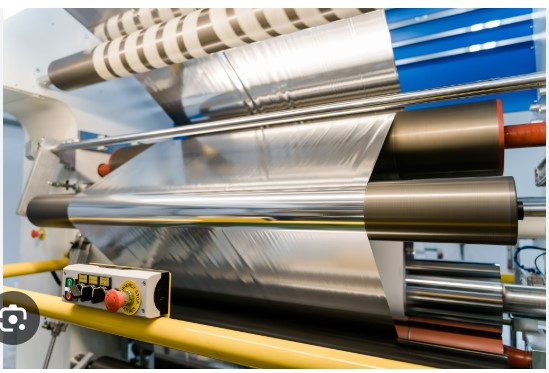
In today’s fast-growing industrial world, product protection, visual appeal, and durability are essential factors across printing, packaging, and manufacturing sectors. Companies are continuously adopting advanced solutions that enhance product quality while improving production efficiency. One of the most important innovations in this field is laminating technology.
Laminating technology is widely used in packaging, printing, labeling, publishing, advertising, and industrial manufacturing industries. It helps in creating strong protective layers over materials, improving both appearance and performance.
With increasing demand for high-quality and long-lasting products, laminating technology has become a core part of modern production systems worldwide.
What is Laminating Technology?
Laminating technology refers to the process of bonding one or more layers of materials together using heat, pressure, or adhesive systems to create a single, strong, and durable structure.
These layers may include paper, plastic films, aluminum foil, polyester, or other flexible materials. The main purpose of lamination is to improve strength, protect surfaces, and enhance visual quality.
This technology is widely used in both industrial-scale production and commercial applications due to its versatility and efficiency.
Importance of Laminating Technology in Modern Industry
Modern industries require packaging and printed materials that can withstand environmental conditions while maintaining attractive appearance. Laminating technology plays a key role in fulfilling these requirements.
Key importance factors include:
· Improved durability and product strength
· Protection against moisture, dust, and scratches
· Enhanced visual appearance and print quality
· Longer product shelf life
· Better packaging performance
· Cost-effective finishing solution
These benefits make laminating technology essential in today’s manufacturing environment.
How Laminating Technology Works
The laminating process involves several controlled steps depending on the type of technology used.
Material Selection
Different substrates such as paper, plastic film, or foil are selected based on application requirements.
Adhesive or Heat Activation
Adhesives are applied or heat is used to activate bonding materials.
Layer Bonding
Multiple layers are pressed together using rollers or lamination machines.
Drying or Cooling
The laminated structure is stabilized through cooling or curing systems.
Finishing Output
The final laminated material is collected in sheet or roll form for further use.
This process ensures smooth, strong, and durable finishing results.
Types of Laminating Technology
Different types of laminating technologies are used in modern industries.
Thermal Laminating Technology
Uses heat and pressure to bond materials with heat-activated films.
Cold Laminating Technology
Uses pressure-sensitive adhesives without heat application.
Wet Laminating Technology
Uses liquid adhesives that bond materials during drying.
Dry Laminating Technology
Uses pre-applied adhesives that are dried before bonding.
Extrusion Laminating Technology
Uses molten polymer layers to create strong multi-layer structures.
Each type is designed for specific industrial applications.
Applications of Laminating Technology
Laminating technology is used across multiple industries due to its flexibility and performance benefits.
Printing Industry
Used for brochures, magazines, catalogs, and posters.
Packaging Industry
Used for food packaging, cosmetic packaging, and retail products.
Pharmaceutical Industry
Provides protective and hygienic packaging for medicines.
Advertising Industry
Used for banners, signage, and promotional displays.
Industrial Applications
Used for protective coatings and heavy-duty materials.
Its wide usage makes it a key industrial technology.
Advantages of Laminating Technology
Businesses benefit significantly from using laminating technology.
Strong Surface Protection
Protects materials from moisture, dust, and environmental damage.
Improved Appearance
Enhances gloss, matte, or textured finishing.
High Durability
Extends product life and performance.
Better Print Quality
Preserves color and design integrity.
Cost Efficiency
Reduces product damage and replacement costs.
Versatile Applications
Works with a wide range of materials.
Technological Advancements in Laminating Technology
Modern laminating systems are continuously evolving with automation and smart manufacturing innovations.
Key advancements include:
· PLC-based automated systems
· Smart temperature and pressure control
· Servo motor-driven machines
· Digital touchscreen interfaces
· IoT-enabled monitoring systems
· High-speed production technology
These innovations improve efficiency, precision, and reliability.
Role in Modern Manufacturing Industry
Laminating technology plays a vital role in modern industrial production by improving product quality and packaging performance.
It helps industries achieve:
· Better product protection
· Enhanced visual branding
· Improved customer satisfaction
· Faster production efficiency
This makes it an essential technology in global manufacturing systems.
Environmental Benefits of Laminating Technology
Modern laminating systems are designed to support sustainable production practices.
Environmental benefits include:
· Reduced material waste
· Energy-efficient operations
· Support for recyclable materials
· Lower environmental impact production
· Cleaner manufacturing processes
These advantages help industries meet environmental standards.
Challenges of Laminating Technology
Despite its advantages, there are some challenges:
High Equipment Cost
Advanced machines require significant investment.
Technical Complexity
Requires trained operators for efficient performance.
Material Compatibility
Different materials require specific lamination settings.
Maintenance Requirements
Regular maintenance is essential for long-term operation.
However, continuous technological improvements are reducing these limitations.
Future of Laminating Technology
The future of laminating technology is focused on automation, sustainability, and smart production systems.
Future developments may include:
· AI-based production optimization
· Fully automated laminating lines
· Eco-friendly adhesive systems
· Biodegradable laminating materials
· Smart factory integration
· Faster and energy-efficient machines
These innovations will transform the future of packaging and printing industries.
Conclusion
Laminating technology is a powerful industrial innovation that enhances durability, appearance, and protection of printed and packaged materials. Its wide range of applications in printing, packaging, advertising, and industrial manufacturing makes it an essential part of modern production systems.
With continuous advancements in automation and sustainable materials, laminating technology will continue to play a major role in the future of global manufacturing and industrial development.