
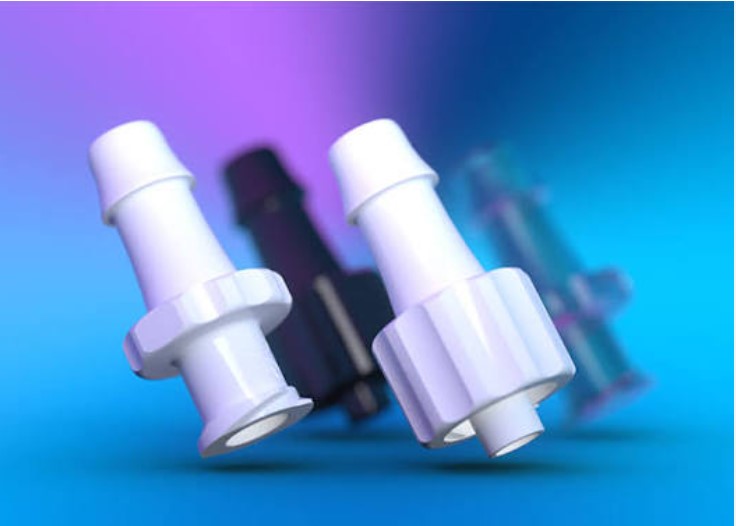
Stepping back from the specific male and female luer lock components, examining the broader luer connector standard as a system reveals how this widely adopted design has shaped interoperability across the medical device industry, supporting both clinical flexibility and manufacturing efficiency.
The Origin and Purpose of Standardized Connector Design
Standardized connector systems like the luer design emerged from a practical industry need: allowing medical devices from different manufacturers to reliably connect with one another, supporting healthcare facilities’ ability to source components flexibly without being locked into a single manufacturer’s proprietary connection system for every fluid handling device throughout their equipment inventory.
Core Design Elements of the Luer Standard
At its foundation, the luer connector family shares a standardized tapered fitting geometry that allows male and female components to achieve reliable fluid seals when connected, with the luer lock variant adding threaded engagement for enhanced connection security beyond the basic tapered friction fit that simpler luer slip designs rely on alone.
Industry-Wide Adoption Supporting Interoperability
The widespread adoption of luer connector standards across countless medical device manufacturers means that healthcare facilities can generally expect components bearing luer specifications to connect reliably with one another regardless of manufacturer, supporting flexible procurement decisions and reducing the risk of incompatibility issues that proprietary connector systems might otherwise introduce.
Manufacturing Consistency as a Foundation for Standard Reliability
The practical value of luer connector standardization depends entirely on manufacturers maintaining precise, consistent dimensional tolerances across their production, since even a standardized design specification provides limited practical benefit if individual manufacturers don’t reliably achieve the dimensional precision the standard requires for genuine interoperability.
Applications Spanning the Full Range of Fluid Handling Devices
Luer connector systems appear throughout an enormous range of medical device applications, from basic syringes through complex IV administration systems, diagnostic sampling equipment, and numerous other fluid transfer applications, reflecting how thoroughly this connector standard has become embedded throughout modern medical device design.
Considerations for Healthcare Facility Procurement
Healthcare facilities benefit from understanding luer connector standardization when making procurement decisions, recognizing that genuine standard compliance supports flexible sourcing and reduces dependency on single manufacturers, though verifying actual compatibility through direct testing remains a valuable practice rather than relying purely on stated specification compliance claims.
Evolution and Continued Relevance of the Standard
Despite decades of use throughout medical device history, luer connector standards remain highly relevant in modern healthcare equipment design, reflecting the enduring practical value of reliable, standardized fluid connection systems even as broader medical technology continues advancing in numerous other respects.
Conclusion
The luer connector standard, encompassing both male and female components across slip and lock variants, provides foundational interoperability supporting flexible medical device procurement and reliable fluid connections throughout modern healthcare settings. Understanding this standard’s broader significance supports more informed medical device evaluation and procurement decision-making.
FAQs
Q1: Why did standardized connector systems like luer designs become important in medical device manufacturing? Standardization allows devices from different manufacturers to reliably connect with one another, supporting flexible healthcare procurement without dependency on single-manufacturer proprietary systems.
Q2: What ensures that luer connector standardization actually delivers reliable interoperability? Manufacturers must maintain precise, consistent dimensional tolerances across production, since even a standardized specification provides limited benefit without consistent manufacturing precision.
Q3: Should healthcare facilities verify luer connector compatibility beyond relying on stated specifications? Yes, direct testing provides additional assurance of actual compatibility beyond relying purely on manufacturer claims of standard compliance.