
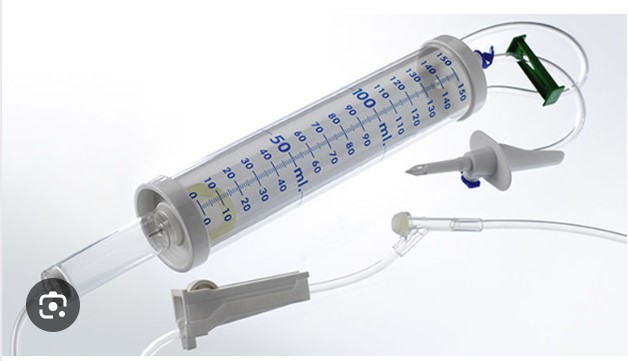
Intravenous therapy is a fundamental part of patient care, allowing healthcare providers to deliver fluids, nutrients, and medications directly into the bloodstream. Choosing the correct IV set is crucial for ensuring accurate and safe treatment. Understanding macroset and microset systems helps medical professionals determine the best option for different clinical situations.
This article provides a detailed overview of both systems, their differences, applications, and benefits in modern healthcare.
What Is a Macroset?
A macroset is an IV infusion set designed to deliver fluids quickly using larger drops. It typically delivers between 10 to 20 drops per milliliter, making it ideal for situations requiring rapid fluid administration.
Key Features of Macroset
- Large drop size
- Faster infusion rate
- Suitable for adult patients
- Commonly used in emergency and general care
What Is a Microset?
A microset is designed for precise and controlled fluid delivery. It produces smaller drops, usually 60 drops per milliliter, ensuring accurate infusion rates.
To explore a more detailed comparison and technical explanation, you can refer to macroset and microset resources used by healthcare professionals.
Key Features of Microset
- Small drop size
- High precision
- Ideal for slow infusion
- Suitable for pediatric and critical care
Differences Between Macroset and Microset
Understanding macroset and microset differences is essential for selecting the right IV system.
Drop Factor
- Macroset: 10–20 drops per mL
- Microset: 60 drops per mL
Flow Rate
- Macroset: Faster fluid delivery
- Microset: Slower, controlled infusion
Accuracy
- Macroset: Moderate accuracy
- Microset: High precision
Clinical Use
- Macroset: General fluid therapy
- Microset: Sensitive treatments and medication infusion
When to Use Macroset and Microset
Use Macroset When:
- Rapid fluid replacement is needed
- Treating dehydration in adults
- Emergency situations requiring quick infusion
Use Microset When:
- Precise medication delivery is required
- Treating infants or elderly patients
- Managing critical care cases
Benefits of Macroset
- Efficient for high-volume fluid delivery
- Easy to use in emergency settings
- Saves time during urgent care
Benefits of Microset
- Provides accurate fluid control
- Reduces risk of complications
- Ideal for sensitive treatments
Importance in Clinical Practice
Choosing between macroset and microset plays a vital role in patient safety and treatment effectiveness.
- Prevents incorrect fluid administration
- Ensures proper medication dosage
- Improves patient outcomes
- Supports clinical efficiency
Common Mistakes to Avoid
- Using macroset for precise medication infusion
- Selecting microset for rapid fluid delivery
- Ignoring patient-specific requirements
- Miscalculating drip rates
Tips for Proper IV Set Selection
- Assess patient condition carefully
- Determine required infusion speed
- Monitor drip rate regularly
- Follow clinical guidelines strictly
FAQs About Macroset and Microset
1. What is the difference between macroset and microset?
Macroset delivers larger drops for faster infusion, while microset provides smaller drops for precise control.
2. Which is better, macroset or microset?
It depends on the situation. Macroset is better for rapid fluid delivery, while microset is ideal for precise medication administration.
3. Can both macroset and microset be used in the same patient?
Yes, depending on the treatment requirements, both can be used at different times.
Conclusion
Understanding macroset and microset is essential for effective IV therapy management. Each system serves a unique purpose, and selecting the right one ensures safe and accurate fluid delivery. By following proper guidelines and considering patient needs, healthcare professionals can enhance treatment outcomes and maintain high standards of care.