
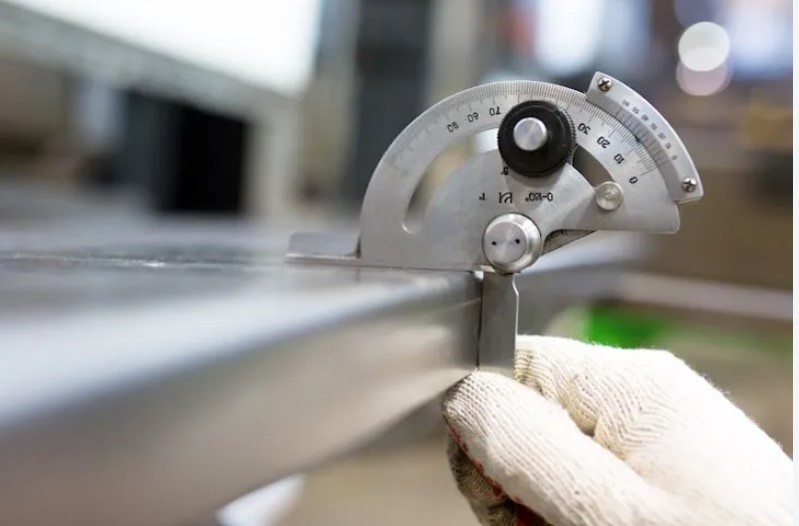
Surface quality can be an important part of precision manufacturing. Even when a component's primary purpose is structural or functional, its surface condition can influence fabrication, appearance, cleaning, joining, and final performance.
This is especially relevant when working with thin titanium materials. Grade 1 titanium can provide useful ductility and corrosion resistance, but careful handling is necessary to maintain the condition of the material throughout production.
Why Surface Quality Matters
A metal surface is exposed to many potential sources of damage during manufacturing.
Cutting tools, work surfaces, packaging materials, storage racks, and transportation can all create scratches or dents if appropriate procedures are not followed.
For precision components, these imperfections may require additional inspection or rework.
Starting With Quality Material
Surface management begins when the material arrives.
Incoming inspection can identify scratches, dents, contamination, or dimensional issues before the material enters production.
If a project requires a controlled surface condition, the purchasing specification should clearly state that requirement.
Thin Material Needs Careful Handling
Thin titanium can be more sensitive to physical deformation than thicker products.
Workers should avoid unnecessary bending, dropping, or stacking that could change the material's shape.
Protective packaging can be useful during internal transportation between storage and production areas.
Clean Work Areas
The production environment can affect surface condition.
Dust, metal particles, oils, and other contaminants can come into contact with the material during processing. Maintaining clean work areas helps reduce unnecessary contamination.
Tools and work surfaces should also be appropriate for the material and production process.
Cutting and Forming
Manufacturing processes can influence surface appearance.
Improper tooling or excessive process forces may leave marks on the material. Production teams should establish suitable parameters through testing and monitor the results during manufacturing.
Inspection During Production
Surface inspection should not be limited to the final stage.
Checking material after cutting, forming, and assembly can help identify where damage occurs.
Early detection makes corrective action easier and can reduce the amount of material that needs to be reworked.
Packaging Finished Components
Once manufacturing is complete, finished components should remain protected.
Suitable packaging can reduce the risk of scratches during transportation or storage.
For precision products, packaging should be considered part of the quality-control process rather than an afterthought.
Selecting the Material
Surface requirements should be communicated to the supplier from the beginning.
Businesses looking for Grade 1 titanium products can review Titanium Valleys Gr1 Titanium Foil and assess available specifications according to their surface and dimensional requirements.
Documentation and Traceability
Keeping material records can support quality management.
Batch identification, inspection results, and supplier documentation allow manufacturers to trace the material used in a finished component.
This information can also help identify recurring quality issues.
Training Production Staff
Employees should understand why surface protection matters.
Simple procedures such as using clean gloves when appropriate, protecting work surfaces, and storing material correctly can prevent avoidable damage.
Training is particularly valuable when thin specialty materials are introduced into a facility for the first time.
Frequently Asked Questions
1. What can damage thin titanium surfaces?
Improper handling, rough work surfaces, unsuitable tools, contamination, and poor storage can all affect surface condition.
2. Should surface inspection be performed before production?
Yes. Incoming inspection can identify potential problems before the material is processed.
3. How can manufacturers reduce scratches during handling?
Clean work areas, suitable protective packaging, careful transportation, and appropriate work surfaces can help reduce physical damage.
Conclusion
Surface quality is an important part of precision metal manufacturing. Protecting thin titanium from damage requires attention at every stage, from purchasing and storage to cutting, forming, inspection, and final packaging.
By establishing clear specifications and consistent handling procedures, manufacturers can preserve material quality and reduce avoidable rework throughout the production process.