
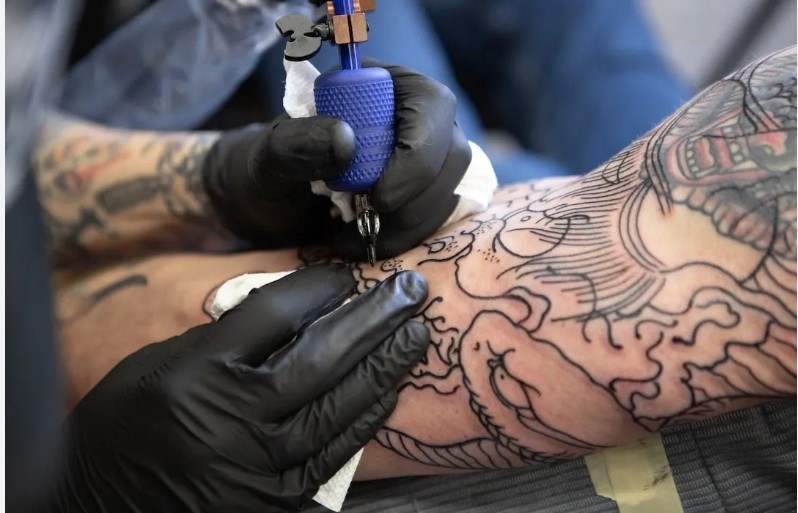
Realism tattooing is one of the most technically demanding forms of tattoo art. Unlike traditional tattoo styles that rely on bold outlines and simplified imagery, realism aims to recreate subjects with lifelike accuracy using careful shading, contrast, texture and proportion. Portraits of people, wildlife, landscapes and detailed objects are among the most recognisable examples of this style.
Many artists spend years refining their drawing ability, understanding light and shadow, and practising tattoo techniques before becoming proficient in realism. Some also choose to study through a realism tattoo course to gain a structured understanding of artistic principles, tattoo theory, hygiene, equipment, and professional practice before continuing to build experience through supervised practice and ongoing learning.
What Is Realism Tattooing?
Realism tattooing focuses on reproducing images as accurately as possible. Rather than creating stylised interpretations, artists aim to capture depth, texture, lighting and detail that closely resemble photographs or real-life subjects.
Popular realism tattoo subjects include:
- Portraits
- Wildlife
- Pets
- Religious artwork
- Historical figures
- Nature scenes
- Mechanical objects
Whether working in black and grey or colour, success depends on understanding artistic fundamentals before tattooing begins.
Why Drawing Skills Matter
Drawing is one of the most valuable skills for anyone interested in realism tattooing.
Observation
Realistic artwork requires careful observation of:
- Proportion
- Shape
- Texture
- Lighting
- Facial features
- Perspective
Artists often spend considerable time studying reference images before beginning a design.
Understanding Values
Values describe the range between the lightest highlights and the darkest shadows.
Correct value relationships help create:
- Depth
- Dimension
- Realistic texture
- Visual balance
Learning to recognise tonal differences is fundamental to realism.
Composition
Strong composition helps guide the viewer's eye naturally across the tattoo.
Artists consider:
- Placement
- Balance
- Negative space
- Flow with body contours
Good planning contributes to tattoos that remain visually appealing from multiple angles.
Understanding Contrast
Contrast separates different areas within an image.
Realism artists use contrast to create:
- Three-dimensional appearance
- Clear focal points
- Texture
- Visual impact
Insufficient contrast may cause tattoos to appear flat, while excessive contrast can reduce subtle detail.
Black and Grey Realism
Black and grey realism remains one of the most recognised tattoo styles worldwide.
Artists rely on carefully controlled shading to reproduce:
- Skin texture
- Hair
- Fabric
- Stone
- Metal
- Water
- Clouds
Smooth tonal transitions are often more important than bold outlines.
Colour Realism
Colour realism introduces additional complexity.
Artists must understand:
- Colour theory
- Saturation
- Temperature
- Layering
- Skin interaction
Accurate colour selection contributes significantly to achieving realistic results.
Understanding Tattoo Equipment
Professional tattoo artists work with specialised equipment designed for precision and consistency.
Common equipment includes:
- Tattoo machines
- Needle cartridges
- Power supplies
- Disposable barriers
- Grip covers
- Inks
- Ink caps
Understanding equipment helps artists maintain organised and safe work environments.
Machine Control
Consistent machine control influences line quality, shading and overall tattoo appearance.
Artists often practise:
- Hand stability
- Machine angle
- Needle movement
- Pressure consistency
- Stretching techniques
These skills improve gradually through regular practice.
Hygiene and Infection Prevention
Professional tattooing requires strict hygiene standards.
Important practices include:
- Hand hygiene
- Surface disinfection
- Personal protective equipment
- Barrier protection
- Safe disposal of sharps
- Cross-contamination prevention
These procedures help protect both artists and clients.
Australians interested in vocational education can learn more through the Australian Government:
Training.gov.au
Tattoo studios must also comply with relevant state or territory public health regulations.
Understanding Skin Anatomy
Tattoo artists benefit from understanding how skin behaves during tattooing and healing.
Important concepts include:
Skin Layers
Tattoo pigment is deposited within specific skin layers to support long-term visibility.
Skin Differences
Every client has unique skin characteristics that may influence:
- Ink retention
- Healing
- Texture
- Tattoo appearance
Healing
Healing occurs gradually over several weeks.
Understanding the healing process allows artists to provide appropriate aftercare guidance.
Client Consultation
Successful tattoo sessions begin with clear communication.
Consultations commonly include:
- Design discussion
- Placement
- Size
- Style preferences
- Medical considerations
- Healing expectations
- Aftercare advice
Effective communication helps build trust and realistic expectations.
Developing Practical Skills
Many people researching a realism tattoo course discover that realism tattooing combines artistic ability with technical precision.
Important practical skills include:
- Needle control
- Greywash techniques
- Machine tuning
- Smooth shading
- Layering values
- Workspace organisation
Consistent practice remains essential for improving these abilities.
Greywash Techniques
Greywash allows artists to produce smooth tonal transitions.
By carefully diluting black ink into different strengths, artists can create:
- Soft shadows
- Mid-tones
- Smooth gradients
- Realistic textures
Controlled greywash application contributes significantly to realistic tattoo outcomes.
Planning the Tattoo
Every realism tattoo begins with careful preparation.
Reference Images
High-quality references provide valuable information about lighting, texture and proportion.
Stencil Placement
Correct stencil positioning helps ensure artwork complements the body's natural movement.
Long-Term Appearance
Artists also consider how tattoos may naturally soften over time while maintaining recognisable detail.
Aftercare
Proper aftercare supports healthy healing.
General recommendations commonly include:
- Following professional instructions
- Keeping the tattoo clean
- Avoiding unnecessary irritation
- Monitoring healing
- Contacting the tattoo studio if concerns arise
Clients should always follow the specific aftercare advice provided by their tattoo artist.
Continuing Professional Development
Tattooing is a profession built on continuous learning.
Many artists continue developing by:
- Drawing daily
- Studying anatomy
- Reviewing healed tattoos
- Learning new techniques
- Receiving feedback from experienced artists
A realism tattoo course may introduce foundational concepts, while ongoing education helps artists continue refining their skills throughout their careers.
Recommended Learning Resource
Watching experienced tattoo artists demonstrate their workflow can complement structured education and regular practice.
Recommended YouTube video:
https://www.youtube.com/watch?v=8tHS8-OPSVA
Video demonstrations can help illustrate shading, composition, and workflow, but they should be viewed as supplementary learning alongside practical instruction and compliance with local health requirements.
Career Opportunities
Artists specialising in realism may work in:
- Private tattoo studios
- Multi-artist studios
- Guest artist positions
- Custom design studios
- Independent businesses
Career opportunities depend on artistic ability, experience, local regulatory requirements, and continued professional development.
Final Thoughts
Realism tattooing combines artistic observation, technical precision, and professional responsibility. Developing strong drawing skills, understanding values and contrast, learning safe hygiene practices, and practising consistently all contribute to long-term improvement.
Whether you're researching a realism tattoo course to understand the profession or simply exploring realism tattooing as an art form, building a strong foundation through education, practice, and responsible professional standards is essential. By continually refining artistic techniques and maintaining a commitment to safety and lifelong learning, aspiring artists can continue progressing within this challenging and rewarding creative discipline.