
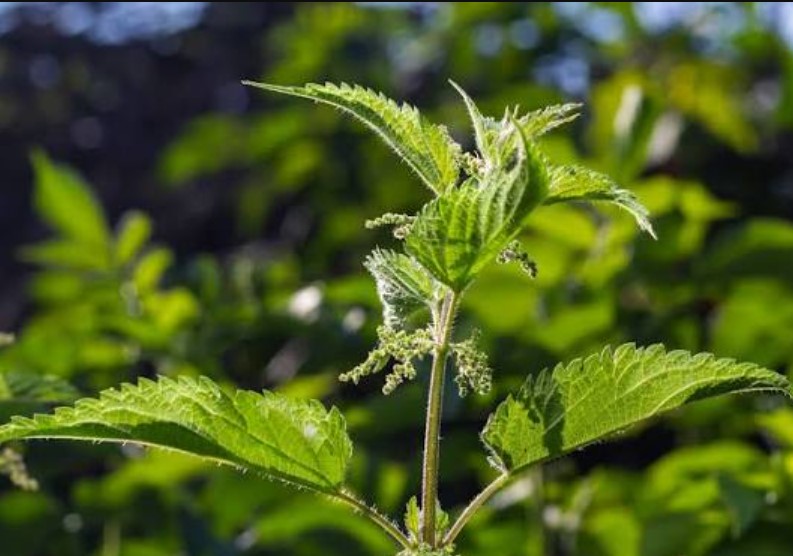
Stinging nettle has been gathered for centuries, but in recent years its root has found a new role as a standardised botanical ingredient for supplement brands. Nettle root extract now appears in capsules, tablets, powders and blends sold around the world, and that steady demand has pushed more buyers to look beyond small retail packs and toward wholesale supply. Buying in bulk changes the conversation: instead of comparing labels on a shelf, buyers compare specifications, documentation and consistency from batch to batch. For a brand planning a product launch or scaling up an existing formula, understanding how wholesale nettle root extract is produced, tested and supplied is the first step toward a reliable finished product.
What Nettle Root Extract Is
Nettle root extract begins with the root of Urtica dioica, the common stinging nettle. After harvest, the roots are cleaned, dried and ground before their constituents are drawn out with a solvent, usually water or food-grade ethanol, and the resulting liquid is concentrated and dried into a powder. The finished extract is a fine, free-flowing powder that can be blended into capsules, pressed into tablets or mixed into powdered drink formulas. Because the starting material is a plant, its composition varies with soil, climate and harvest time, which is why reputable suppliers standardise their extracts, adjusting the process so that each batch meets an agreed specification for its marker compounds.
Wholesale buyers usually think in kilograms rather than grams, and that shift brings a different set of questions. Minimum order quantities, lead times and packaging formats all matter, and so does the supplier's ability to deliver the same material again six months later. A product that sells well will need repeat orders, and every repeat order should match the first. Buyers therefore look for suppliers who keep retained samples, run the same tests on every lot and can share a certificate of analysis with each shipment. Traceability matters too: knowing where the raw material was grown and how it was processed gives a brand confidence in what it is putting on its label.
Buying Wholesale: What Changes at Scale
For brands that want to compare options before committing, it helps to start with a supplier whose catalogue and documentation are easy to review. A supplier such as green spring technology Nettle Root Extract Powder Wholesale offers a starting point for buyers who need a wholesale source of nettle root extract powder and want to check specifications, packaging options and order terms in one place. Reviewing the product page, asking for a certificate of analysis and requesting a sample are sensible first steps before placing a first order, and they cost a buyer little while revealing a great deal about how a supplier works.
Quality checks begin with the paperwork. A certificate of analysis should list the tests performed on the batch, including identity, purity and microbiological screening, and the results should fall within the limits stated on the product specification. Buyers should also ask how the extract is standardised and which marker compounds are measured, since different suppliers may standardise on different markers. Appearance, particle size and solubility can matter as well, depending on the finished format: a powder destined for capsules behaves differently from one meant to dissolve in a drink. Samples let a buyer confirm these practical details before committing to a full order.
Packaging and storage deserve attention too. Botanical extracts are sensitive to moisture, light and heat, so wholesale packs are usually sealed in foil-lined bags or drums with desiccants, and stored in cool, dry conditions. Buyers should confirm the recommended storage conditions and the shelf life stated by the supplier, and plan their own warehousing accordingly. Labelling on bulk packs should identify the botanical name, the part used, the extraction ratio or standardisation, the batch number and the country of origin. Clear labelling makes goods-in checks faster and keeps a brand's own records in order.
Finally, the relationship matters as much as the material. A good wholesale supplier answers technical questions promptly, shares documentation without fuss and is honest about lead times when a harvest is delayed or a batch fails testing. Brands that plan to grow should ask whether the supplier can scale with them and whether pricing changes at higher volumes. Visiting the facility, or at least speaking directly with the technical team, often tells a buyer more than a brochure ever could. With the right partner in place, nettle root extract becomes a dependable ingredient rather than a sourcing headache.
Frequently Asked Questions
1. What is nettle root extract powder?
It is a concentrated powder made from the root of Urtica dioica. The root is extracted with water or food-grade ethanol, then dried, so the finished powder can be used in capsules, tablets and powdered formulas.
2. Why do brands buy nettle root extract wholesale?
Wholesale buying lowers the cost per kilogram, secures supply for repeat production runs and gives brands access to batch documentation such as certificates of analysis.
3. How can a buyer check the quality of a wholesale batch?
Ask for a certificate of analysis, confirm the specification and standardisation, request a sample, and check the batch number, origin and storage guidance on the packaging.
Conclusion
Nettle root extract is a straightforward ingredient to source once a buyer knows what to ask for. Clear specifications, reliable documentation and a supplier who communicates well are worth more than a low headline price. Brands that take time to compare options, test samples and confirm quality checks before ordering will find wholesale sourcing a smooth part of product development rather than a source of surprises. With those foundations in place, nettle root extract can earn a steady place in a supplement range.