
Green Hands Cleaning NYC has cleaned apartments from East Elmhurst to Tribeca, and one thing holds true every time: most people have no idea how much is building up in their home.
That’s not a knock. It’s physics.
New York City apartments are small, constantly used, and packed in with millions of other homes. The same density that makes NYC exciting also makes it a place where grime, allergens, and bacteria accumulate faster than almost anywhere else in the country. Here’s what the actual data shows.
NYC Apartments Are Half the Size but Get Twice the Use
The average New York City apartment is about 728 square feet. The national average home is 2,261 square feet, according to U.S. Census data. But the number of people living in that space? Often the same as a suburban household.
More people per square foot means more foot traffic, more cooking, more humidity, and more surfaces touched every single day. A Queens studio absorbs more daily use in one week than a suburban house does in a month.
That use shows up in every corner.
The Allergen Problem Is Worse Here Than Anywhere Else
The EPA has confirmed that indoor air is 2 to 5 times more polluted than outdoor air. In NYC, that number climbs higher.
A New York City Department of Health study found cockroach allergens present in 40% of NYC apartments. Dust mites thrive at humidity above 50%, and NYC summers regularly push indoor humidity above 60% in apartments without central air. One ounce of mattress dust can contain more than 2,000 dust mites.
Add pet dander (NYC has an estimated 1.1 million dogs and 1 million cats), street-level particulates from traffic, and the pollen that floods the outer boroughs every spring. The American Lung Association connects dust mite allergens to asthma attacks, and New York State has one of the highest childhood asthma rates in the country, especially in Queens and the Bronx.
This is a health issue, not just a comfort one.
Queens Has Challenges No Other Borough Matches
Queens is home to 2.3 million people and is the most ethnically diverse urban county in the United States. Over 160 languages are spoken here. Jackson Heights has a population density of about 70,000 people per square mile, more than most neighborhoods in Paris.
East Elmhurst sits right next to LaGuardia Airport. That means residents deal with something suburban homeowners never think about: jet exhaust particulate matter. PM2.5 pollution levels near major airports run consistently above city averages. Those fine particles enter your home through windows, HVAC systems, and door gaps. They land on every surface and stay there.
Flushing, Woodside, Sunnyside, and Corona face similar pressure from traffic corridors and dense living. If you’re in any of these neighborhoods, your apartment accumulates grime faster than the national average suggests.
The Security Deposit Math Is Brutal
Here’s the figure that tends to stop people: the median rent for a one-bedroom in Queens was around $2,400 in 2024. In Manhattan, closer to $4,200.
New York State law allows landlords to withhold deposits for cleaning when a unit is left in worse condition than it was at move-in. That clause is applied regularly in housing court.
A National Multifamily Housing Council survey found that 50% of apartment moves result in some deduction from the security deposit. The most common reason? Cleaning.
For a Queens tenant, the deposit can be $2,400 or more. For a Manhattan renter, double that. The professional move-out cleaning service Green Hands provides costs a fraction of what a deposit dispute can cost, and it specifically targets the areas landlords check.
What Landlords Actually Check (That Tenants Skip)
Most people wipe counters, vacuum, and mop before moving out. That covers what guests see. It does not cover what building managers look for.
What gets flagged in NYC move-out inspections:
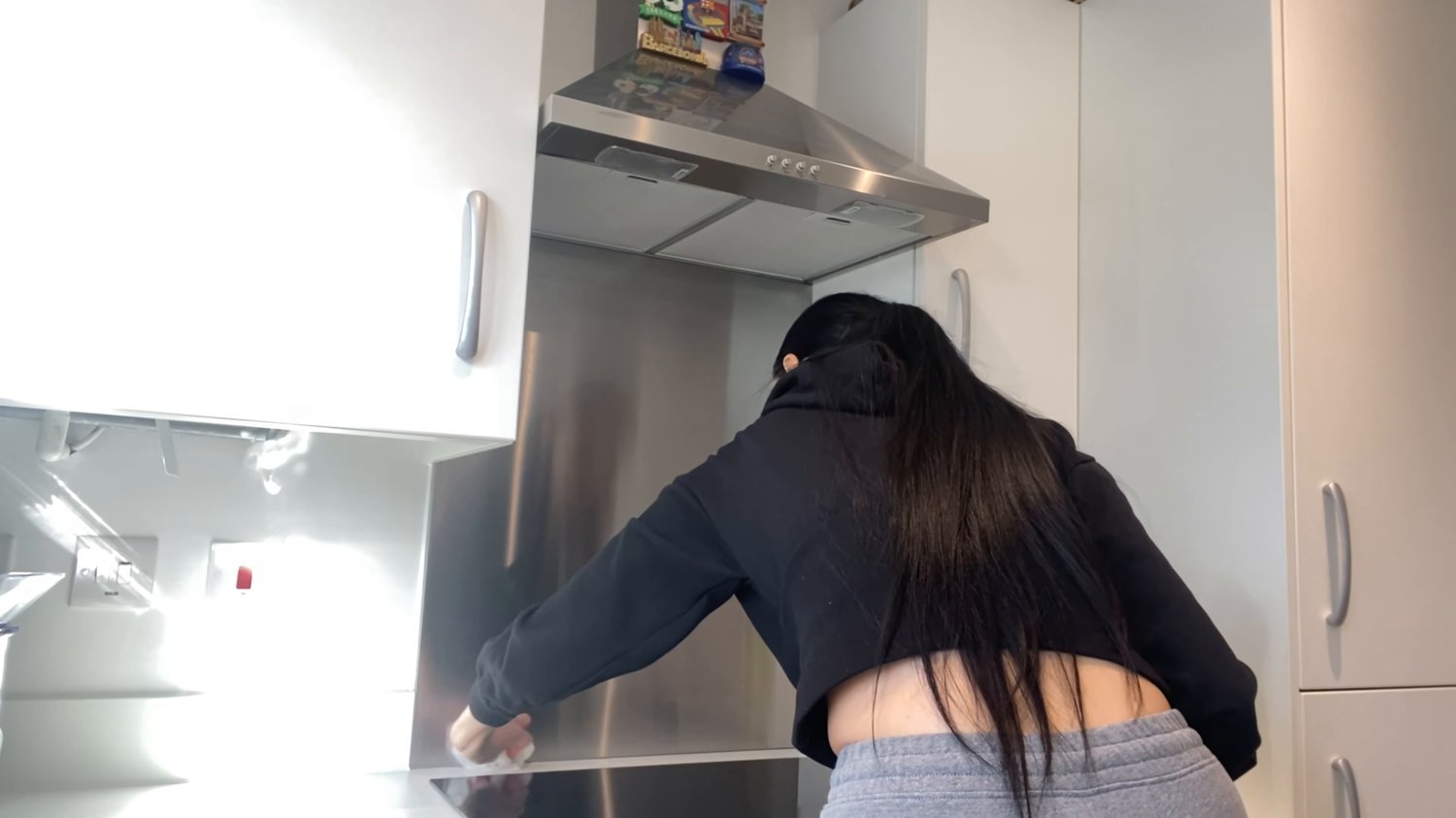
- Grease buildup inside the oven and on range hood filters
- Soap scum and calcium inside bathroom tile grout
- Dust on baseboards, window sills, and closet shelves
- The refrigerator coils and the drip pan underneath
- Light fixtures and ceiling fan blades
- The tops of kitchen cabinets
- Behind and under appliances
- Inside window tracks
Most tenants never touch these spots during their normal routine. They show up in the inspection report.
Moving In Comes With Its Own Risk
Here is something many new renters skip over: New York law does not require landlords to professionally clean a unit between tenants. They are required to deliver a “clean condition,” but that term is applied loosely in practice.
A 2019 Consumer Reports survey found that 31% of renters discovered serious cleanliness problems (mold, pest evidence, or significant grime) in their new apartment within the first week.
Queens has high turnover. In Elmhurst, Jackson Heights, and Astoria, some buildings cycle through 30 to 40% of tenants per year. That is a lot of apartments handed from one renter to the next without a real clean in between. The previous tenant may have had dogs. They may have smoked. The bathroom may look white but have years of sealed-over staining in the grout.
A move-in clean is the only way to start from a confirmed baseline.
NYC Seasons Create Predictable Spikes in Dirt Buildup
New York City’s four seasons each create different cleaning challenges. Knowing which one you’re in tells you where to focus.
Spring (March to May): NYC has over 700,000 street trees, according to NYC Parks data. Tree pollen peaks in April and May and enters every open window in Queens. Dust settles on every horizontal surface. Rising humidity starts creating conditions for mold in poorly ventilated bathrooms.
Summer (June to August): Humidity above 60% is the reproduction threshold for dust mites. Air conditioning units that haven’t been cleaned circulate dust and mold spores. Kitchen grease builds up faster in warm weather.
Fall (September to November): Ragweed pollen peaks in September in NYC. Pet shedding increases. Holiday gatherings create deep cleaning needs that most people push off until spring.
Winter (December to February): Heating systems kick up settled dust. Salt and grit tracked in from snow-covered sidewalks accumulates under furniture and along floor edges. Holiday cooking bakes grease into the oven repeatedly over the season.
What a Professional Clean Actually Does
A standard clean handles surfaces. A professional clean handles systems.
That means the oven interior gets fully degreased rather than wiped. Tile grout gets penetrating treatment rather than surface scrubbing. Bathroom fixtures get descaled. Baseboards and crown molding get addressed. Blinds and window tracks get cleaned out. Refrigerator coils get cleared. Bathroom exhaust vents get freed of dust buildup.
In an NYC apartment where you’re cleaning for your deposit, your health, or for the next person who will live there, the difference between a surface pass and a thorough clean is measurable in dollars and air quality.
About Green Hands Cleaning Services Corp
Green Hands Cleaning Services Corp is a residential cleaning company based in East Elmhurst, Queens. The team serves renters, homeowners, Airbnb hosts, new parents, seniors, and busy professionals across Queens, Brooklyn, and Manhattan. Services include apartment cleaning, deep cleaning, move-in and move-out cleaning, after-party cleaning, post-renovation cleaning, and recurring maid service. All cleaners are insured and bonded.
Green Hands Cleaning Services Corp
22-16 79th St, East Elmhurst, NY 11370, United States
greenhandscleaningservices.com
+1 212-812-9418