
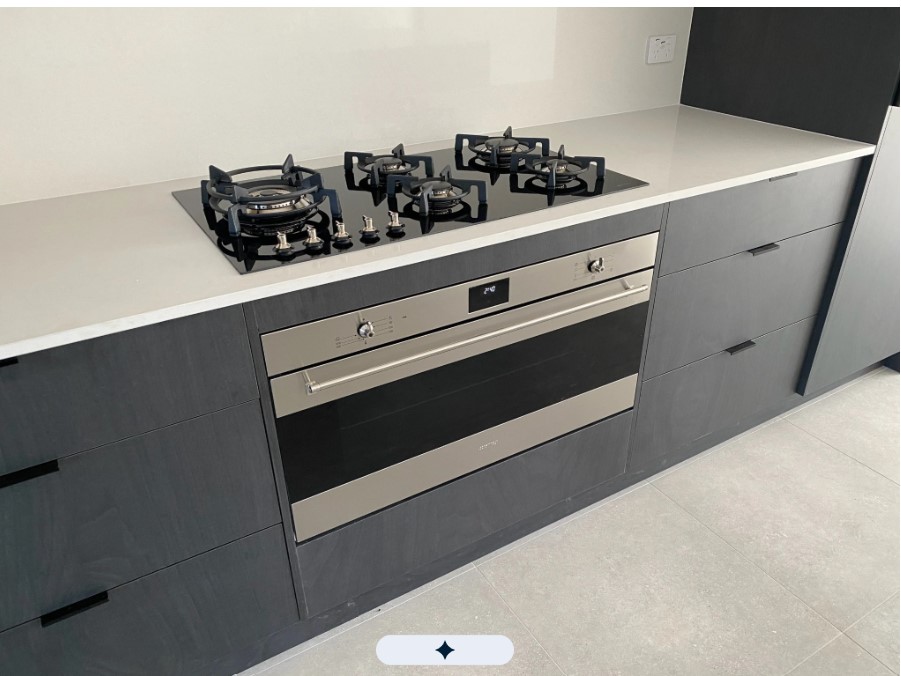
A built-in oven can create a clean, integrated kitchen layout, but fitting one involves more than sliding an appliance into an empty cabinet. Professional Oven installation Adelaide requires attention to appliance dimensions, manufacturer requirements, electrical connections, ventilation and safe placement.
Whether you are replacing an existing appliance or planning a kitchen renovation, preparation matters. Understanding the process helps you identify potential issues before the new oven arrives and gives your electrician the information needed to assess the installation.
Oven Installation Adelaide Starts With the Right Measurements
Built in ovens are designed to fit within cabinetry, so accurate measurements are essential. The appliance dimensions and the cabinet opening need to be checked against the manufacturer's installation instructions rather than assuming every oven of a similar advertised size will fit exactly the same space.
Measure the available height, width and depth, but also consider required clearances and ventilation. Even when two ovens appear similar from the front, their installation dimensions and connection requirements can differ.
Before purchasing an oven, check:
- Overall appliance dimensions
- Required cabinet cut out dimensions
- Ventilation requirements
- Clearance specified by the manufacturer
- Door opening space
- Electrical connection requirements
If you are renovating the kitchen, coordinate the cabinetmaker, appliance supplier and electrician early. This can prevent discovering after cabinetry is installed that additional electrical or cabinet work is required.
Understand the Electrical Requirements Before Installation
Electric ovens vary in their electrical requirements. The appropriate connection arrangement depends on the particular appliance, its specifications, the existing electrical installation and the manufacturer's instructions.
For this reason, homeowners should not assume a replacement oven can automatically use the existing connection. An electrician may need to assess the circuit and associated electrical components before determining whether they are suitable for the new appliance.
This assessment becomes particularly important when replacing an older oven with a different model or changing the kitchen layout. Existing wiring or protection arrangements may not necessarily match what the new appliance requires.
Practical tip: Give your electrician the exact model number and installation instructions before the appointment where possible. Having the electrical specifications available can make it easier to identify requirements before installation day.
Built In Oven Placement Requires Careful Planning
A built in oven can be installed under a benchtop or within suitable cabinetry at another height, depending on the kitchen design and appliance specifications. Placement should balance usability with the manufacturer's installation requirements.
Think about how the oven door opens and whether there is enough room to stand safely in front of it. Nearby drawers, cupboards and walkways should also be considered, particularly in compact kitchens.
For wall mounted ovens, accessibility is another important consideration. An oven positioned too high or too low can make handling hot and heavy cookware less comfortable.
Frequently overlooked details include nearby handles, kitchen islands and traffic paths. A layout may look attractive on a plan while becoming awkward once the oven door is fully open.
What Happens During Electric Oven Installation?
The exact process varies according to the appliance and existing kitchen setup. In a straightforward replacement, the old appliance may be removed, the existing electrical installation assessed and the new oven fitted and connected if everything is suitable.
More complex electric oven installation may require additional electrical or cabinetry work. Renovations can also involve coordinating several trades before the appliance can be installed in its final position.
A typical process may involve:
- Confirming the appliance and installation requirements.
- Checking the cabinet opening and clearances.
- Assessing the existing electrical connection.
- Isolating the relevant electrical supply.
- Completing the required electrical work.
- Positioning and securing the oven correctly.
- Testing the installation and appliance operation.
- Completing the required compliance documentation.
In South Australia, electrical installation work is regulated, so work involving fixed electrical connections should be handled by an appropriately licensed electrical worker. This is one reason professional installation matters when dealing with built in electric ovens.
Replacing an Existing Oven Is Not Always Like for Like
Replacing an old built in oven may appear simple if the new model has similar dimensions. However, physical size is only one part of compatibility.
Different models can have different electrical specifications, ventilation requirements and installation clearances. An older kitchen may also contain electrical components that require assessment before the replacement appliance is connected.
For example, a homeowner may purchase a new oven expecting it to fit the existing cabinet. The appliance might physically fit, but the electrician could identify that further work is required before it can be safely connected.
Checking specifications before purchasing reduces this risk. If you are unsure, discussing the proposed appliance with an electrician before ordering can help identify potential installation considerations.
Why DIY Electrical Connection Is a Poor Choice
There are useful preparation tasks homeowners can handle themselves, such as clearing cupboards and checking appliance dimensions. Electrical connection work is different because mistakes can create risks that are not always visible.
Electrical work can expose people to hazards including electric shock and fire. South Australian guidance requires electrical work to be undertaken by appropriately qualified and licensed electrical workers, with electrical work certified through the applicable compliance process.
Homeowners can help prepare by:
- Clearing access around the oven
- Removing items from nearby cupboards
- Keeping the appliance specifications available
- Confirming delivery timing
- Providing clear access to relevant areas
Leave fixed wiring, electrical alterations and testing to an appropriately licensed professional. Businesses such as Sharkey the Sparky can assess the electrical side of an oven installation while considering the requirements of the individual appliance.
Testing Is an Important Part of Oven Installation
Installation does not finish when the oven fits neatly into the cabinet. Electrical work needs appropriate testing, and the appliance should be checked to confirm that it operates as expected after connection.
The installer may check relevant electrical work, confirm the oven is secured correctly and verify basic operation. The exact process depends on the installation and the work performed.
In South Australia, electricians must provide an electronic Certificate of Compliance for most electrical work. This documentation confirms that the completed electrical work has been tested and meets applicable requirements.
Keep relevant documentation with your appliance records. Installation instructions, purchase information and compliance documentation can be useful for future servicing, warranty matters or renovations.
Plan Oven Installation Early During a Kitchen Renovation
Kitchen renovations provide more flexibility because cabinetry and electrical arrangements can be planned around the selected appliances. However, leaving appliance selection until late in the project can create unnecessary changes.
Choose the oven early enough for its dimensions and electrical requirements to be considered during planning. This helps the cabinetmaker and electrician coordinate their work rather than making avoidable alterations after the kitchen is nearly complete.
It is also worth considering future kitchen use. Think about cooking habits, bench space, oven height and how people move through the kitchen when the appliance is operating.
Early planning does not mean every detail must be complicated. It simply ensures the appliance, cabinetry and electrical installation are treated as connected parts of the same kitchen project.
Conclusion
Professional Oven installation Adelaide involves more than fitting an appliance into cabinetry. Measurements, ventilation, electrical requirements, safe placement, manufacturer instructions and final testing all contribute to a suitable built in oven installation.
Before purchasing a new oven, check the installation dimensions and electrical specifications carefully. If replacing an existing appliance, avoid assuming that similar physical dimensions automatically mean the electrical requirements will also be identical.
Good preparation can reduce delays and unexpected changes during installation. By coordinating appliance selection, cabinetry and licensed electrical work, Adelaide homeowners can approach Oven installation with a clearer understanding of what the project requires.