
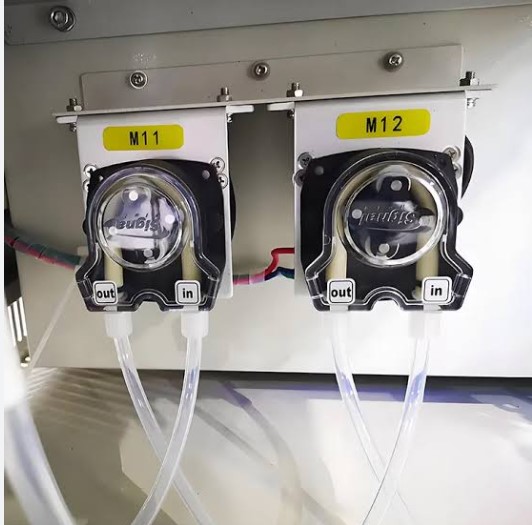
Among the various tubing materials available for peristaltic pumping systems, silicone remains one of the most widely used options across a broad range of industries. Understanding the specific properties that make a silicone tube for peristaltic pump applications so versatile helps engineers determine whether it is the right choice for their particular process.
Why Silicone Is a Preferred Material for Many Applications
Silicone offers a combination of flexibility, thermal stability, and biocompatibility that makes it well suited to applications ranging from laboratory research to pharmaceutical processing. Its ability to maintain consistent mechanical properties across a wide temperature range is particularly valuable in applications where operating conditions may fluctuate.
Flexibility and Fatigue Resistance Characteristics
Silicone's inherent flexibility allows it to withstand the repeated compression cycles characteristic of peristaltic pumping without rapid degradation, though its fatigue life can vary depending on the specific formulation and wall thickness selected for a given application.
Biocompatibility Considerations for Sensitive Applications
For applications involving pharmaceutical products, biological samples, or food products, silicone's biocompatibility profile is often a key factor in material selection, as it generally exhibits low reactivity with a wide range of substances compared to some alternative elastomers. Engineers evaluating tubing options for sensitive applications can review specifications at silicone tube for peristaltic pump to compare available grades and certifications.
Limitations to Consider Alongside Silicone's Advantages
Despite its many advantages, silicone is not universally the best choice for every application. Certain aggressive chemicals may not be fully compatible with silicone formulations, making it important to verify chemical compatibility data before finalizing tubing selection for any specific process fluid.
Frequently Asked Questions
Is silicone tubing suitable for all peristaltic pump applications? Silicone performs well across a broad range of applications, though chemical compatibility should always be verified for specific process fluids before finalizing selection.
How does silicone compare to other elastomers in terms of temperature resistance? Silicone generally offers strong performance across a wide temperature range compared to many alternative tubing materials, making it suitable for applications with variable operating conditions.
Does silicone tubing require special handling or storage? Silicone tubing should generally be stored away from direct sunlight and extreme temperatures to preserve its material properties prior to installation.
Conclusion
Silicone tube for peristaltic pump systems offers a strong combination of flexibility, thermal stability, and biocompatibility that suits a wide range of industrial and laboratory applications. Verifying chemical compatibility for the specific process fluid remains an important step in confirming that silicone is the right material choice for any given application.