
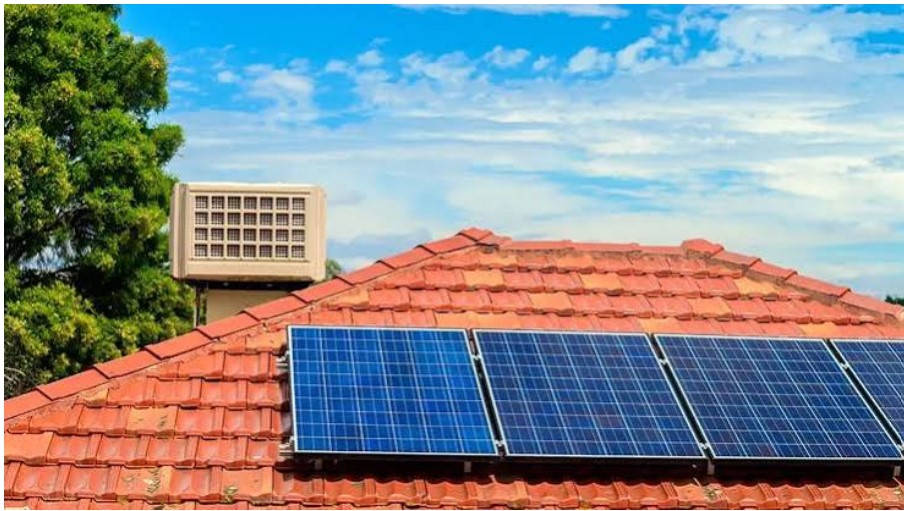
Installing rooftop solar can reduce the amount of electricity a household needs to buy from the grid, but the upfront investment remains an important consideration. The solar panel rebate Victoria program is designed to reduce some of that initial cost for eligible Victorian households.
However, rebates should be considered as one part of the purchasing decision rather than the only reason to install solar. Eligibility, system quality, household electricity consumption, roof conditions and potential export restrictions can all influence whether a particular solar installation makes sense.
How Does the Solar Panel Rebate Victoria Work?
Victoria's Solar Homes Program currently provides eligible households with a rebate covering up to 50 per cent of the purchase cost of a solar PV installation, capped at $1,400. The rebate is calculated after other applicable discounts, including Small scale Technology Certificates, have been applied.
Eligible applicants may also opt for an interest free loan of up to the value of their rebate, with a maximum of $1,400. The loan is repaid monthly over four years, helping reduce the amount that needs to be paid upfront.
Importantly, the rebate is not simply a cash payment provided after any solar installation. Applicants must follow the Solar Victoria process, use an authorised retailer and select eligible products.
Homeowners should therefore check the current program requirements before paying a deposit or arranging installation. Installing the system before Solar Victoria confirms eligibility can result in the household missing out on the rebate.
Who Is Eligible for the Solar Panel Rebate Vic Program?
Eligibility is based on several factors rather than simply living in Victoria. As of October 2026, an owner occupier may be eligible if the combined taxable income of all property owners is below $150,000 per year and the property's value is below $3 million.
The property address must also meet the program's previous rebate and solar installation requirements. For example, a property generally cannot have received a previous solar panel or battery rebate through the program, and it must not have had a solar PV system installed within the previous 10 years.
Key criteria currently include:
- Being an eligible owner occupier
- Combined taxable household income below $150,000
- Property value below $3 million
- Meeting previous Solar Homes rebate conditions
- No solar PV system installed at the property within the past 10 years
- Using an authorised solar retailer
- Selecting products that meet Solar Victoria requirements
There are additional provisions for situations such as rental properties, homes under construction and eligible households that have moved. Because individual circumstances vary, homeowners should check the latest official criteria rather than relying on older articles about the solar panel rebate vic program.
Understanding STCs and Other Solar Incentives
The Victorian rebate is not the only mechanism that can reduce the upfront cost of rooftop solar. Eligible small scale renewable energy systems can also create Small scale Technology Certificates, commonly called STCs.
In practice, installers commonly apply the value of these certificates as an upfront discount on the quoted system price. The value can vary, so homeowners should check whether the STC benefit has already been included when comparing quotes.
Feed in tariffs are another consideration, although they work differently from an installation rebate. A feed in tariff is an amount an electricity retailer pays for eligible surplus solar electricity exported to the grid.
However, homeowners should not choose an oversized solar system purely because they expect to export large amounts of electricity. Network export limits and retailer tariff arrangements can affect how much electricity can be exported and what it is worth.
How to Apply for the Victorian Solar Rebate
The application process starts before installation. Solar Victoria recommends researching systems and obtaining a written quote from an authorised solar retailer before completing the eligibility process.
The retailer also needs to obtain the required pre approval for connection and export from the relevant electricity distribution network. Applicants then provide documents that allow Solar Victoria to confirm eligibility.
A simplified process involves:
- Research suitable solar PV systems.
- Contact an authorised solar retailer.
- Select eligible panels and an inverter.
- Obtain a written quote.
- Confirm grid connection and export requirements.
- Submit the required eligibility documentation.
- Wait for approval and the Solar Victoria QR code.
- Arrange installation after approval.
- Pay the remaining balance after the rebate is deducted.
For an existing home, Solar Victoria currently requires installation to be completed within 120 days after the QR code is issued. Different timeframes apply to eligible homes under construction.
Choosing a Solar System Instead of Chasing the Biggest Rebate
A rebate reduces part of the upfront cost, but it does not make every solar system equally suitable. Homeowners should consider their electricity consumption, daytime energy use, available roof space, shading and future electrification plans.
For example, a household planning to replace gas appliances with electric alternatives may expect its electricity consumption to change. Future additions such as electric heating and cooling, a heat pump hot water system or an electric vehicle can also influence solar planning.
When comparing systems, consider:
- Panel and inverter quality
- Product warranties
- System capacity
- Roof orientation
- Shading throughout the day
- Household electricity consumption
- Expected future electricity demand
- Network export restrictions
- Installer experience and accreditation
- After sales support
Practical tip: Compare several detailed quotes rather than simply selecting the lowest final price. Solar Victoria itself recommends obtaining at least three quotes when considering solar and related home energy upgrades.
Why Grid Export Limits Matter
Solar panels generate electricity during daylight hours, but a household may not use all of that energy as it is produced. Surplus generation can potentially be exported to the electricity network, subject to the connection arrangements that apply to the property.
Distribution networks may place limits on solar exports in some locations. Consequently, homeowners should understand the export conditions offered for their property before committing to a system.
This information can influence system design and financial expectations. A household that consumes substantial electricity during daylight hours may use a larger proportion of its solar generation directly, while another household may rely more heavily on exporting surplus energy.
Frequently overlooked factors such as export constraints can therefore be just as important as panel capacity. A good solar assessment should look at household usage patterns alongside the physical installation.
Think About Solar as Part of Home Electrification
Rooftop solar can become particularly relevant when homeowners are considering broader electrification. Appliances such as reverse cycle air conditioning, induction cooking and heat pump hot water systems can shift household energy use towards electricity.
Planning these upgrades together can provide a clearer picture of future electricity demand. It may also help homeowners avoid selecting a solar system based entirely on their current usage when major changes are already planned.
For Melbourne households, this means considering the home as an interconnected energy system rather than treating solar as an isolated product. The right approach will vary depending on the property, budget and household habits.
Companies such as Powerband Electrical may be involved when homeowners are assessing electrical infrastructure alongside broader electrification work. Any provider should be considered based on relevant qualifications, product suitability and the requirements of the individual property rather than rebate availability alone.
Check Current Requirements Before Committing
Solar incentives can change over time. Eligibility thresholds, approved products, loan arrangements and program requirements may be updated, making older online information unreliable.
For example, Victoria's household income cap for the Solar Homes solar PV rebate changed to $150,000 from 1 July 2026. This highlights why homeowners should verify current conditions directly with Solar Victoria before making financial commitments.
Another frequently overlooked detail is product eligibility. Solar Victoria maintains lists of eligible panels and inverters, and these lists are updated as products and program requirements change.
Keep copies of quotes, product specifications and rebate documentation throughout the process. These records can also be useful later for warranty claims, servicing or future upgrades.
Conclusion
The solar panel rebate Victoria program can reduce the upfront cost of installing rooftop solar for eligible households, with a current rebate of up to $1,400 and an optional matching interest free loan. Other mechanisms, including STCs and feed in tariffs, may also affect the financial picture.
However, incentives should support a well planned solar purchase rather than drive the decision on their own. System size, household energy consumption, roof conditions, product quality and network export limits all deserve careful consideration.
For Melbourne homeowners considering solar or broader home electrification, start by checking current eligibility and researching suitable systems before committing to an installation. Understanding both the incentives and the technical requirements can help you make a more informed long term decision.