
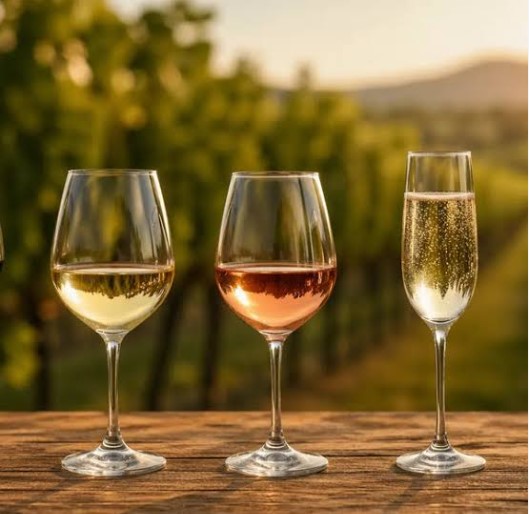
Sweet white wine carries an undeserved reputation among certain wine circles as less serious than dry wine. This prejudice is worth examining and discarding, because the world of sweet white wine encompasses some of the most complex, ageworthy, and frankly extraordinary wines produced anywhere on the planet. From the botrytized grandeur of Sauternes to the honeyed elegance of a German Trockenbeerenauslese, sweet white wine deserves to be understood on its own terms.
How Sweet White Wine Is Made
The most important thing to understand about premium sweet white wine is that its sweetness is not an addition — it is a product of natural concentration. There are several winemaking approaches to achieving this concentration.
Late Harvest
Late harvest wines are made from grapes left on the vine well beyond normal harvest time. As the grapes lose water through evaporation, their sugar content concentrates. The resulting must produces wine with elevated residual sugar even after fermentation. German Auslese, Spätlese (in its sweeter interpretations), and many New World late harvest Rieslings and Gewürztraminers fall into this category.
Noble Rot (Botrytis cinerea)
Botrytized wines are made from grapes affected by the fungus Botrytis cinerea, which — under the right humid conditions followed by dry and sunny weather — concentrates sugars, acids, and flavors to an extraordinary degree. Sauternes and Barsac in Bordeaux, Tokaji Aszú from Hungary, and German Beerenauslese and Trockenbeerenauslese are the world's most famous botrytized wines. These wines can age for decades, developing extraordinary complexity.
Ice Wine (Eiswein)
Ice wine is made from grapes frozen on the vine, pressed while still frozen. The ice crystals contain water but not sugar, so pressing yields a concentrated must of remarkable sweetness and acidity. Germany and Austria produce classic examples; Canada has become a significant producer of ice wine in recent decades.
Serving and Pairing Sweet White Wine
Sweet white wines are typically served chilled, between 6 and 10 degrees, and in smaller quantities than dry table wines — a standard pour of 75ml rather than 150ml allows the wine's intensity to be properly appreciated without becoming cloying. Classic pairings include Sauternes with foie gras (one of the great combinations in all of gastronomy), German Riesling Auslese with fruit-based desserts, and botrytized wines with blue cheese.
Discovering a great selection of sweet white wine is straightforward through sweet white wine on Asia Miles Lifestyle.
FAQs
Q: How long can sweet white wine be kept? Premium sweet wines are among the longest-lived of all wines. A great Sauternes or German TBA can age for fifty years or more under proper cellar conditions.
Q: Is sweet white wine suitable for people who don't normally like sweet things? The acidity in many premium sweet wines prevents them from being cloying. If you appreciate the balance of sweet and sour in certain foods, you may be surprised by how appealing a great Riesling Auslese can be.
Q: Are all dessert wines sweet? Most dessert wines are sweet, but the category also includes fortified dry wines like dry Sherry, which is served at the end of a meal but is technically dry.
Conclusion
Sweet white wine is one of the most misunderstood and underappreciated categories in the wine world. The finest examples — a great Sauternes, a grand German Trockenbeerenauslese, a Hungarian Tokaji Aszú — stand among the most complex beverages that human ingenuity and natural circumstance have ever conspired to create. Approach them with curiosity and you will discover a world of extraordinary sensory experience.