
What an Access Control System Does and How It Works
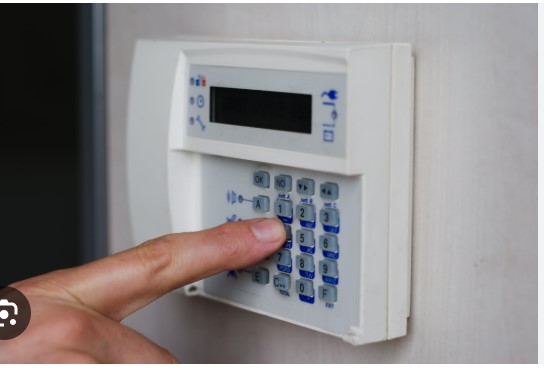
An access control system is the modern replacement for physical keys, determining who can go where and when across doors, gates, turnstiles, elevators, and even server racks. At its core, it blends three elements: credentials, decision-making, and enforcement. Credentials include key cards, fobs, mobile passes, PINs, and biometric identifiers such as fingerprints or face templates. Decision-making happens in a controller or cloud platform that checks permissions. Enforcement devices—electrified locks, strikes, maglocks, or motorized turnstiles—carry out the decision. Together, these parts create a living, adaptable layer of protection that integrates with video systems, alarms, intercoms, and identity providers to deliver both security and convenience.
Modern platforms authenticate people and then authorize them according to pre-set rules that reflect real business needs. Authentication can be single-factor (for example, a card swipe) or multi-factor authentication (a card plus PIN, or mobile credential plus biometric). Authorization is commonly based on role-based access control (RBAC), which assigns permissions to roles like “Staff,” “Contractor,” or “Visitor,” and sometimes on attribute-based rules (ABAC) that consider context such as time of day, location, or risk level. Schedules, holidays, and anti-passback policies help prevent misuse. Lost or stolen badges can be deactivated instantly. Crucially, the system produces a searchable audit trail of door events and user actions, enabling investigations, compliance checks, and performance tuning without guesswork.
Under the hood, technology choices shape reliability and resilience. Secure protocols like OSDP with encryption help replace legacy Wiegand wiring, reducing eavesdropping risks. Mobile credentials use BLE or NFC so doors can open with smartphones, improving convenience and reducing card issuance costs. Biometrics offer high assurance if tuned for the right FAR/FRR balance. Cloud-native platforms bring elasticity, automatic updates, and remote management, while on-premises controllers can serve environments with strict data residency or network isolation requirements. The best results come from systems that integrate with HR directories, visitor management, and cameras for unified visibility. Choosing the right access control system means aligning capabilities with building codes, cybersecurity standards, and an organization’s appetite for scalability and automation.
Designing and Deploying Secure, Scalable Access Control
Strong outcomes start with a thoughtful design process. A risk assessment maps threats, assets, and operational patterns to define zones, door priorities, and response expectations. A door-by-door matrix clarifies reader types, lock hardware, request-to-exit devices, sensors, and power needs. Decisions such as fail-safe versus fail-secure directly impact life safety and continuity: doors that must unlock in a fire tend to be fail-safe, while areas protecting high-value assets may be fail-secure. Adhering to fire and egress codes and collaborating with the authority having jurisdiction reduces rework. On the network side, PoE simplifies installation for edge panels and readers, while battery backup keeps critical points online during outages. The result is a design that is easier to install, maintain, and expand.
Cybersecurity must be built in, not bolted on. Isolate controllers and readers on segmented VLANs, enforce TLS for web and API traffic, and leverage signed firmware and secure boot. Where available, use encrypted OSDP channels to protect reader-to-controller communication. Replace default credentials and require strong secrets for administrators and service accounts. Integrate with modern identity stacks—SSO and SCIM—so user lifecycle events flow automatically, reducing manual errors. Monitor events with alerts for door forced open, repeated credential denials, and tamper conditions. Back up configurations, replicate critical data, and test restoration regularly. Establish SLAs for uptime and incident response, and track MTTR to drive continual improvement in both the IT and physical security realms.
Policies turn technology into consistent outcomes. Adopt least-privilege principles so people have only the access they need, only when they need it. Time-bound access for contractors and temporary staff helps limit risk, and visitor workflows should include pre-registration, ID verification, and scheduled permissions. Train teams on badge hygiene, tailgating awareness, and emergency procedures. Plan preventative maintenance for readers, locks, and power supplies; poor door alignment or worn hardware can masquerade as “system failures.” Use device health monitoring to catch failing batteries or offline edge panels before they disrupt operations. Think long term about total cost of ownership: choose platforms that support open standards, documented APIs, and modular upgrades to avoid lock-in and to scale gracefully as the organization grows.
Use Cases, Lessons Learned, and Measurable Outcomes
In a multi-building office campus, a cloud-first platform with mobile credentials can unify reception, elevator controls, and perimeter doors under one pane of glass. Staff enroll via SSO, receive instant mobile badges, and move through door access points without queues. Visitor flows improve when invites include QR codes and time-limited permissions. Video integration helps verify alarms, while analytics flag occupancy spikes after hours. When a badge is reported lost, deactivation is immediate—no need to rekey a suite. Tailgating detection through camera analytics plus random audits often reduces unauthorized “piggyback” entries. Operations teams see fewer help tickets as self-service tools reset PINs or provision temporary access for meetings. Measured benefits typically include a drop in lockouts, shortened reception lines, and reduced card printing costs, alongside higher user satisfaction.
Healthcare and manufacturing environments put policy and precision to the test. Pharmacies, medication rooms, and clean utility spaces demand layered controls, audit-ready logs, and sometimes dual-authorization for controlled substances. Labs might combine badge plus biometric readers where strict traceability supports compliance and investigations. In regulated sectors, reliable reporting against HIPAA, CFR Part 11, or ISO standards requires event integrity and clear ownership of changes. On the plant floor, shift changes stress the system with surges at turnstiles; anti-passback and occupancy caps maintain safety while preventing over-crowding. Interlocks protect air pressure differentials in cleanrooms, and emergency egress remains paramount. Tuning biometric thresholds for acceptable FAR/FRR can significantly cut false alarms without sacrificing assurance—an example of how measurement leads to better day-to-day performance.
Data centers and high-security facilities typically combine 2FA or 3FA with physical barriers like mantraps, cabinet-level locks, and continuous video verification. Correlating events into a SIEM gives security teams real-time context: a cabinet open event without a corresponding authorized entry triggers an immediate alert. Multi-tenant properties, meanwhile, benefit from separating base building and tenant-specific permissions, allowing property managers to maintain lobbies, parking, and amenities while tenants control their suites. Smart schedules synchronize lighting and HVAC with access events to cut energy costs, and occupancy analytics inform cleaning routes, improving sustainability. Across these scenarios, clear metrics—uptime, audit trail completeness, incident response times, and user adoption—tell the story. The most successful programs pair resilient technology with disciplined processes, turning physical security into a strategic asset that enables trust, agility, and measurable business value.