
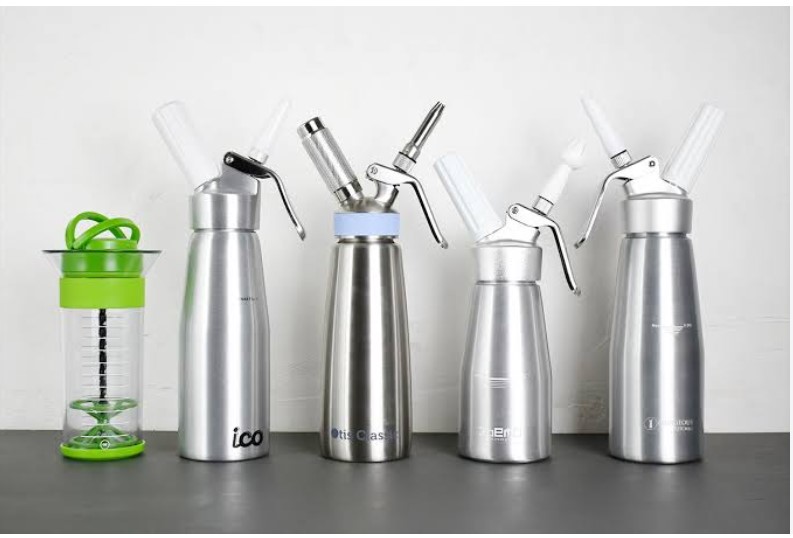
Searching for a top rated whipped cream dispenser can produce many different options, but ratings alone do not always explain whether a product is suitable for a particular kitchen.
Restaurants, cafés, bakeries, caterers, and home users may have very different requirements. Instead of relying entirely on popularity, it is useful to examine construction, capacity, cleaning, usability, compatibility, and manufacturer information.
What Makes a Dispenser Suitable?
A dispenser should match the user's intended culinary application.
For a commercial kitchen, frequent use and easy maintenance may be important. A home baker may prioritize compact size and convenient storage.
Therefore, there is no single feature that determines whether equipment is appropriate. The decision should be based on the complete set of requirements.
Construction and Materials
The construction of a dispenser can influence its everyday practicality.
Look at the main body as well as smaller components such as the nozzle, seals, and valves. Food-contact components should be suitable for the intended culinary application.
Manufacturer documentation can help buyers understand the materials and design before making a decision.
Capacity
Capacity is another important consideration.
A busy dessert business may need equipment that fits its preparation volume, while occasional users may prefer a smaller format.
The ideal capacity should allow the equipment to fit naturally into the kitchen's workflow without creating unnecessary storage challenges.
Ease of Cleaning
A dispenser that is difficult to clean can create additional work for kitchen staff.
Before choosing equipment, check whether the manufacturer provides clear cleaning instructions and whether the components can be maintained conveniently.
Food-contact components deserve particular attention because leftover ingredients can affect hygiene.
Ease of Use
A highly complicated piece of equipment may not be practical in a busy kitchen.
Staff should be able to understand the equipment and follow the manufacturer's operating and cleaning procedures. Clear instructions can also make employee training easier.
Durability
Businesses should consider how frequently the dispenser will be used.
Daily commercial use can place different demands on equipment compared with occasional household use. Construction quality, component design, and manufacturer information can help buyers compare options.
Manufacturer Information
Product documentation is an important part of equipment selection.
Look for information about intended use, compatible components, cleaning, maintenance, storage, and warranty or support where applicable.
Reliable documentation can be more useful than an online rating without context.
Comparing Reviews Carefully
Customer reviews can provide useful information about general user experiences, but they should not be treated as the only selection criterion.
Different customers may use the same product under very different conditions. A review from an occasional home user may not reflect the needs of a busy bakery.
It is better to combine reviews with technical specifications and the actual requirements of your kitchen.
A Practical Comparison Checklist
When looking for a top rated whipped cream dispenser compare:
- Construction
- Capacity
- Food-contact materials
- Cleaning requirements
- Ease of handling
- Intended culinary applications
- Manufacturer documentation
- Storage requirements
- Frequency of expected use
This approach creates a more balanced evaluation than relying on ratings alone.
Frequently Asked Questions
1. Does a top rated whipped cream dispenser automatically suit every kitchen?
No. Ratings can provide useful feedback, but equipment should also match the user's capacity, workflow, cleaning requirements, and intended culinary application.
2. What should I check besides customer ratings?
Consider construction, capacity, food-contact components, cleaning requirements, manufacturer documentation, and intended use.
3. Are reviews useful when comparing kitchen equipment?
Yes, reviews can provide additional context, but they should be considered alongside technical information and the user's specific requirements.
Conclusion
Choosing a top rated whipped cream dispenser should involve more than looking at customer ratings. Construction, capacity, cleaning, usability, intended application, and manufacturer documentation can all influence whether a particular model is suitable.
A thoughtful comparison allows both professional and home users to choose equipment based on their actual needs rather than popularity alone.