
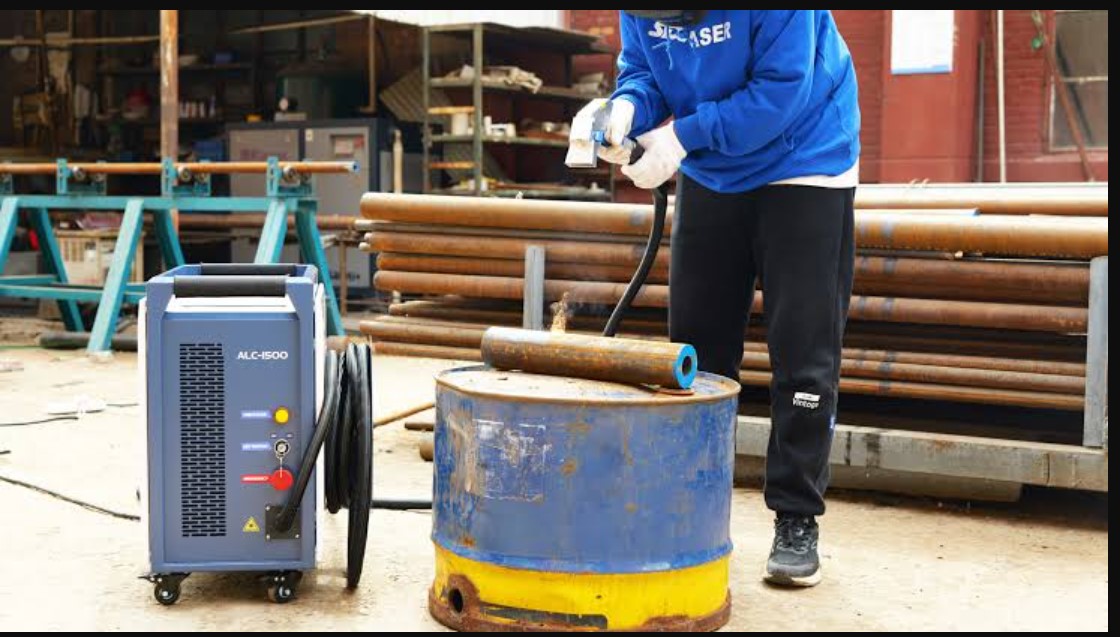
When a workshop moves from occasional cleaning jobs to regular surface preparation, the choice of equipment starts to matter a great deal. Light contamination, surface rust, old coatings and general grime all slow down production when they are handled with manual methods. A mid-range power class has become a popular answer for businesses that need steady, repeatable results without stepping into the largest industrial systems. The appeal lies in the balance: enough capability for demanding work, yet still manageable in size, cost and day-to-day operation.
Buyers who compare units in this class are usually looking for a machine that can handle a wide mix of jobs. One day it may be cleaning weld seams, the next it may be removing rust from stored parts or preparing a surface before painting. Flexibility matters as much as raw capability, because few workshops can afford a separate unit for every task. That is why the two-kilowatt class attracts so much attention: it sits in a useful middle ground, strong enough for serious work and practical enough for everyday use.
What a Mid-Range Power Class Offers
A unit in this power class is designed to remove surface contamination through focused light energy. The beam interacts with rust, paint, oil residue and other unwanted layers, lifting them away while leaving the underlying material largely untouched. Operators can adjust settings to suit delicate parts or tougher deposits, which makes the same unit useful across different materials and conditions. For many workshops, that adjustability is the key benefit, since it reduces the need for harsh chemicals or abrasive blasting.
When buyers look for a practical starting point in this category, a 2000w laser cleaning machine often appears on the shortlist. It represents the kind of mid-range option that suits general workshop use, from maintenance work to preparation before coating or welding. Before committing to any particular model, it helps to think about the surfaces you clean most often, the size of the parts involved and how frequently the unit will run. Those answers shape the choice far more than any single specification on a datasheet.
Matching the Unit to the Job
Different jobs place different demands on cleaning equipment. Thin sheet metal, for example, needs a gentle approach, while thick steel plates with heavy rust can take a more aggressive pass. A good mid-range unit should offer controls that let the operator match the energy to the task. Speed also matters: a unit that cleans a small bracket in seconds may still be slow on a large panel, so buyers should think about the largest job they expect to handle, not just the average one.
The working environment matters too. Some units are built for fixed stations where parts come to the machine, while others are designed to move around the workshop or travel to a job site. Power supply, cooling requirements and the size of the working head all affect how easily a unit fits into an existing setup. It is worth checking these practical details early, because a machine that is awkward to move or power will spend more time idle than working.
Practical Points Before Buying
Before buying, it is sensible to ask the supplier for a demonstration on your own parts. A short trial shows how the unit handles your actual contamination, your materials and your working pace. Ask about training, spare parts and after-sales support as well, since a cleaning unit is a long-term investment. A supplier who answers clearly and offers guidance is often a better partner than one who simply quotes the lowest price.
Ongoing costs deserve attention too. Consumables, maintenance intervals and the expected service life of key components all add up over time. A unit that costs a little more at the start can work out cheaper if it needs less upkeep and lasts longer. Keep a simple record of running costs during the first months of use, and compare them with the time saved against manual cleaning. That comparison usually tells you whether the investment is paying off, and it gives you a clear record to show colleagues when the next budget discussion comes around.
Frequently Asked Questions
1. What kinds of jobs suit a mid-range cleaning unit?
Mid-range units suit general workshop work such as rust removal, paint preparation, weld cleaning and degreasing. They handle a wide mix of metals and contamination levels, which makes them a flexible choice for maintenance teams and small fabrication shops. For very light work, a smaller unit may be enough, while the heaviest industrial jobs may call for a larger system.
2. How do I choose between similar models?
Start with your most common jobs and work backwards. Note the materials, the size of the parts and how often the unit will run, then compare models on those points rather than on headline figures alone. Ask suppliers for demonstrations and check what training and support are included, since those factors affect daily use as much as the hardware itself.
3. Is special training needed to operate one?
Basic training is recommended for any operator. Suppliers usually provide an introduction to safe operation, settings and routine care, and operators should follow the safety guidance for their workplace. With that foundation, most users become confident quickly, but regular practice and proper protective equipment remain essential.
Conclusion
Choosing a mid-range cleaning unit is about matching capability to real work. Think about the jobs you do most, the materials you handle and the space you work in, then compare options on those grounds. A well-chosen unit saves time, reduces reliance on chemicals and abrasives, and keeps surfaces ready for the next step. Take the time to test before you buy, and the right choice will serve your workshop for years.