
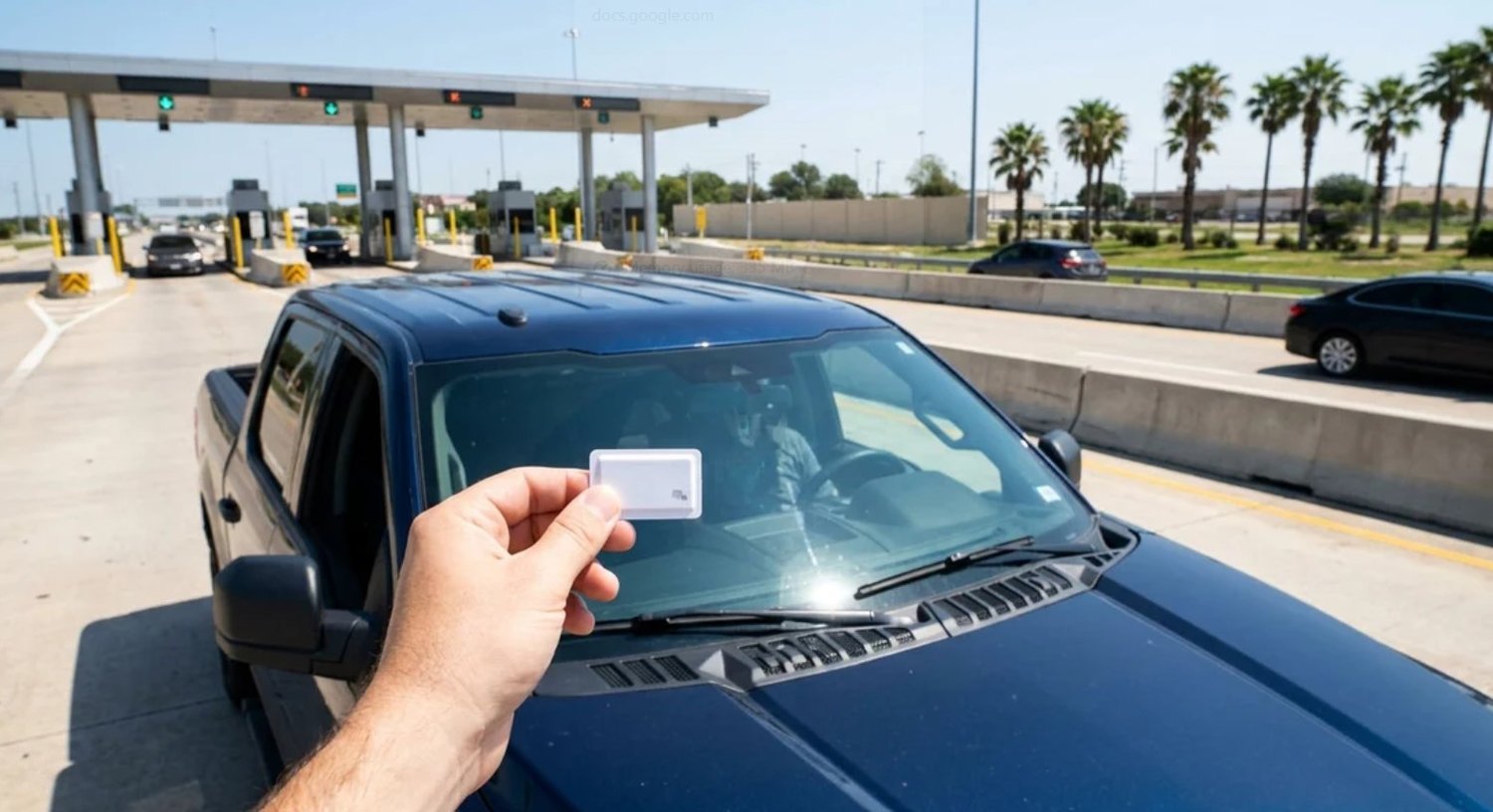
Drivers in Texas have several options for paying tolls electronically, and two names that often come up are TxTag and EZ TAG. If you are new to toll roads or have recently moved to Texas, it is understandable to wonder whether these services are the same, how they differ, and which one makes sense for your driving habits.
Although both are associated with electronic toll collection, it is important to understand the details before choosing a tag or opening an account.
What Is TxTag?
TxTag is a name associated with electronic toll collection in Texas. An electronic toll tag is linked to a vehicle and an account, allowing compatible tolling equipment to identify the tag when the vehicle passes through a participating toll point.
The toll transaction can then be processed electronically according to the applicable account and tolling rules.
For drivers who regularly use toll roads, electronic collection can make travel more convenient because it reduces the need to handle individual payments at each toll point.
If you want to understand the basics of the service, the Tx Tag information website provides an overview of electronic tolling and related account topics.
What Is EZ TAG?
EZ TAG is an electronic toll collection product associated with the Harris County Toll Road Authority, which operates toll roads in the Houston area.
Like other electronic toll tags, it is designed to make toll payments easier by allowing compatible tolling equipment to recognize an equipped vehicle.
Drivers considering either service should review the current terms, coverage, rates, and account requirements directly with the relevant provider. These details can change, and assumptions based on an older policy may not reflect current arrangements.
Are TxTag and EZ TAG the Same?
The two names refer to different tolling programs, so they should not automatically be treated as identical services.
However, that does not necessarily mean a driver must have a separate tag for every toll road. Electronic toll tags can sometimes be accepted across participating toll facilities operated by different agencies.
Compatibility depends on the toll facility, the tag program, and the applicable agreements. Drivers should verify current acceptance information before relying on a particular tag for a journey.
For a more focused explanation, you can read this guide to the differences between EZ TAG and TxTag.
Check Which Toll Roads You Use
Your regular driving routes are an important factor when comparing toll tags.
For example, a person who mainly drives around Houston may have different priorities from someone who regularly travels through other parts of Texas.
Start by identifying the toll roads you use most often. Then check which electronic payment programs are accepted on those roads.
If you occasionally travel outside your usual area, check the arrangements for those routes as well. A tag that works on your daily commute may have different acceptance conditions elsewhere.
Taking a few minutes to check coverage can help you avoid unexpected payment issues.
Compare Rates and Fees
Compatibility is only one part of the decision. The costs associated with an account also matter.
Drivers should consider applicable toll rates, account fees, payment requirements, and any other charges that may apply under the current terms.
Do not assume that every tag offers the same rate on every road. Pricing can vary according to the toll facility, vehicle category, and payment arrangement.
Review the current information from the relevant tolling authority before deciding which option offers the best value for your circumstances.
Consider How Often You Drive on Toll Roads
Your driving habits can help determine which service is most practical.
If you use toll roads every day, having a compatible electronic tag may make payments easier to manage. You may also want to consider how convenient the provider's account-management tools are for your needs.
If you use toll roads only occasionally, your priorities may be different. You might care more about the payment options available for infrequent trips than about managing a frequently used toll account.
There is no universal choice that is best for every Texas driver. The right option depends on your routes, payment preferences, and the applicable terms.
What If You Travel With a Rental Car?
Rental vehicles can introduce additional complications.
The rental company may have its own toll payment information arrangements, and the rules can differ from those that apply to a privately owned vehicle.
Before using toll roads in a rental car, ask the rental company how toll charges are handled. Find out whether a toll service is included, whether optional services carry additional fees, and how charges are billed.
Do not assume that your personal toll tag can be transferred to a rental vehicle without checking the applicable requirements.
Check Current Information Before Making a Decision
Tolling arrangements can change over time. Acceptance agreements, account terms, and payment options may be updated, so information from an older online discussion might not be reliable today.
Use current information from the relevant toll authorities when comparing services.
If you are unsure whether a tag will work on a particular road, verify the details before traveling rather than waiting until you receive a bill.
Final Thoughts
TxTag and EZ TAG are associated with different electronic toll collection programs, but both aim to make toll payments more convenient.
The important question is not simply which name you recognize. It is whether the tag you choose is accepted on your regular routes, what costs apply, and how easily you can manage the associated account.
Compare current coverage, pricing, account requirements, and payment options before deciding.
With a little research, you can choose an arrangement that fits your driving habits and approach Texas toll roads with greater confidence.