
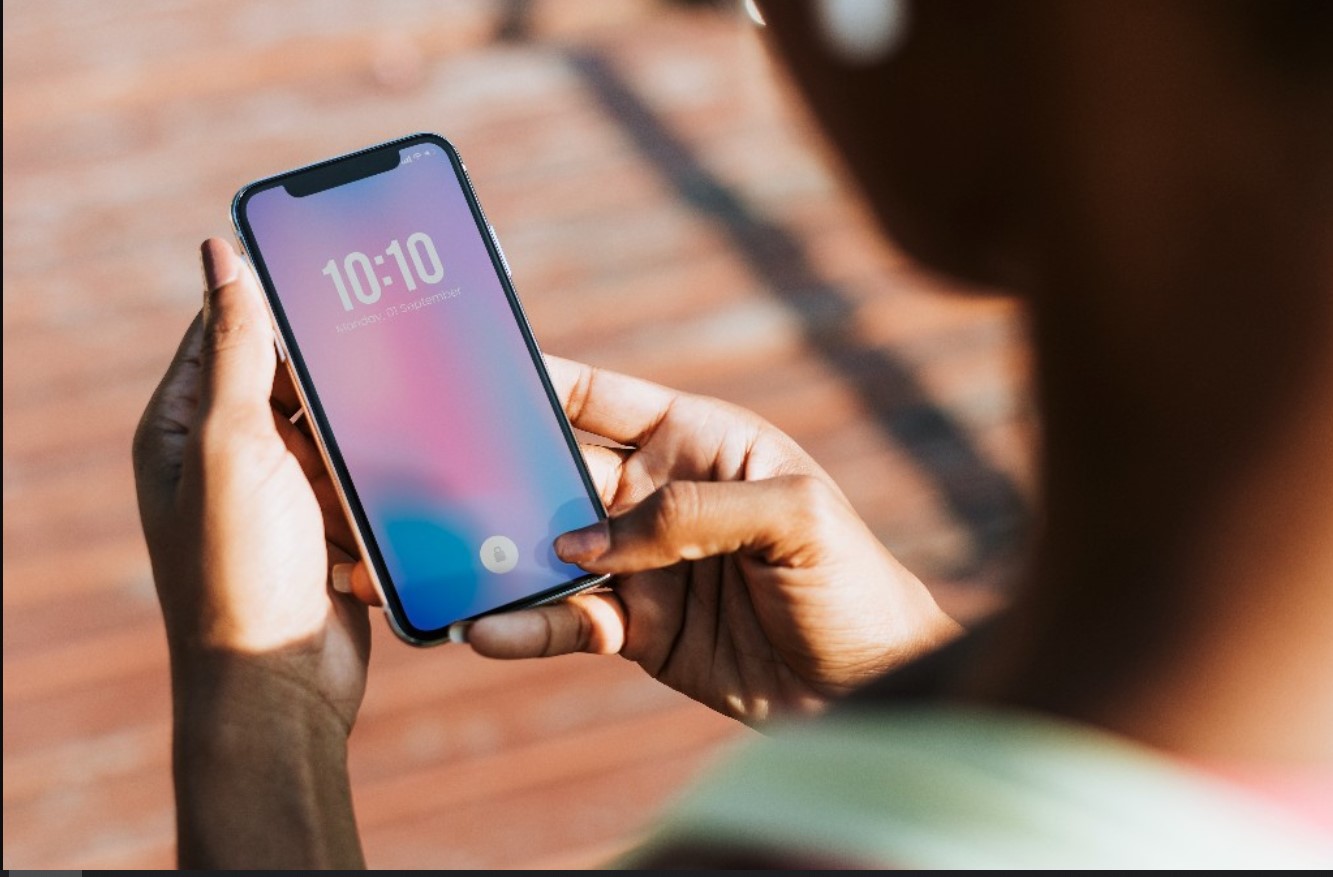
A smartphone is no longer simply a device for making calls. Modern phones support communication, photography, entertainment, online shopping, navigation, professional work, education, and countless everyday activities. As technology develops, consumers have access to an increasingly wide range of devices with different specifications, designs, and price points.
This variety gives shoppers more freedom, but it can also make the purchasing process more complicated. Choosing a suitable phone requires understanding personal requirements rather than simply selecting the most expensive or newest model.
Several factors can help consumers make a more practical and informed decision.
Define Your Main Purpose
The first step is to understand how the smartphone will be used. Different users may have completely different priorities.
A student might need a reliable device for communication, research, online classes, and entertainment. A professional may require strong productivity features, secure applications, dependable connectivity, and sufficient storage. A content creator may prioritize camera performance and video capabilities.
Identifying the main purpose of the device makes it easier to determine which specifications actually matter.
Consider Performance Requirements
Performance affects how quickly and smoothly a smartphone handles everyday tasks. Processor capabilities, memory, software optimization, and application requirements all contribute to the user experience.
For users who mainly browse websites, communicate, stream content, and use social media, moderate performance may be sufficient. More demanding activities such as gaming, video editing, and intensive multitasking may require additional processing capability.
Instead of paying for specifications that may never be used, consumers can focus on the level of performance that matches their daily activities.
Choose Storage Carefully
Storage is one of the specifications that can have a significant impact on long-term usability. Photographs, videos, applications, documents, and downloaded media can quickly consume available space.
Consumers should consider how much content they normally store on their devices. People who frequently capture high-quality photographs and videos may benefit from greater storage capacity.
Cloud storage can reduce the need for extensive internal space, but users should still choose a capacity that comfortably supports their everyday needs.
Evaluate Camera Capabilities
Smartphone photography has become an important part of modern digital life. People use their phones to capture family moments, travel experiences, business content, social media posts, and everyday events.
When comparing cameras, consumers should consider more than megapixel counts. Image processing, video recording, stabilization, low-light performance, lens options, and software features can all influence the final results.
The importance of these features depends on the individual. Casual photographers may have different requirements from professional content creators.
Think About Battery and Charging
Battery life is another major consideration. A smartphone that cannot comfortably last through a normal day may become inconvenient, particularly for people who travel frequently or spend long periods away from charging points.
Consumers should consider their daily usage patterns. Heavy users may prioritize battery capacity and charging speed, while lighter users may have more flexibility.
Charging compatibility and the availability of suitable charging accessories can also influence everyday convenience.
Pay Attention to Display Quality
The display affects almost every interaction with a smartphone. Reading, watching videos, viewing photographs, browsing websites, and using applications all depend on screen quality.
Consumers should consider screen size, brightness, resolution, refresh rate, and general viewing comfort.
A larger screen can be useful for entertainment and productivity, while a smaller device may be easier to carry and use with one hand. Personal preference and daily usage should guide this decision.
Consider Software and Updates
A smartphone's software environment influences its usability and long-term experience. The operating system, interface, application availability, security features, and update support can all be important.
Consumers should also consider how well the phone works with the other devices they already own.
Compatibility can simplify activities such as transferring files, synchronizing information, using accessories, and managing accounts across multiple products.
Check Accessories and Connectivity
Modern smartphones can connect with a wide range of accessories, including headphones, watches, keyboards, chargers, power banks, and protective equipment.
Before purchasing, shoppers should verify which accessories are compatible with the chosen device. Connectivity standards and physical dimensions can differ between models.
Thinking about accessories in advance can prevent additional compatibility problems and unexpected expenses later.
Compare Models Before You Buy
Online shopping makes it easier to compare different smartphone options. Consumers can review product categories, examine specifications, compare configurations, and research available purchasing choices.
For shoppers interested in the opportunity to buy iphone an organized online product category can provide a convenient starting point for exploring available options.
However, shoppers should still examine the exact model, storage capacity, specifications, warranty arrangements, included accessories, and final purchase price before placing an order.
Set a Realistic Budget
Establishing a budget before shopping can help narrow the available choices. A realistic budget should include not only the smartphone itself but also any necessary accessories.
Cases, screen protection, charging equipment, headphones, and other additions can increase the total cost.
Consumers should therefore compare the complete ownership cost rather than focusing exclusively on the advertised price of the phone.
Look at Long-Term Value
A smartphone is often expected to remain useful for several years. For this reason, shoppers should consider how the device might perform as their needs change.
Storage requirements can increase, applications can become more demanding, and users may begin performing tasks they did not originally expect.
Selecting a device with reasonable capacity for future needs can potentially extend its useful life and reduce the need for an early replacement.
Avoid Buying Based Only on Popularity
Popular products naturally receive a lot of attention, but popularity alone does not determine whether a device is appropriate for an individual.
Consumers should evaluate products according to their own requirements. A phone that is ideal for one person may be unsuitable for another because their usage patterns, budgets, and preferences are different.
A practical comparison can therefore be more useful than simply following current trends.
Review the Complete Purchase Details
Before completing a purchase, shoppers should carefully review the product listing. Important details include the exact model, storage configuration, included items, warranty information, delivery terms, and final price.
This final review can help prevent misunderstandings and ensure that the selected product matches the original requirements.
Frequently Asked Questions
1. What is the most important factor when buying a smartphone?
There is no single factor that matters most for every user. The best starting point is to identify how the phone will be used and then prioritize performance, storage, battery life, camera capabilities, display quality, compatibility, and other relevant features.
2. How much storage should a smartphone have?
The appropriate amount depends on usage. People who regularly store large numbers of photographs, videos, applications, and files may need more storage, while users who rely on cloud services may require less internal capacity.
3. Should accessories be included in the smartphone budget?
Yes. Chargers, cases, screen protectors, headphones, and other accessories can add to the overall cost. Including them in the initial budget provides a more realistic estimate of total spending.
Conclusion
Purchasing a new smartphone is easier when the decision is based on practical needs rather than marketing claims or popularity. Performance, storage, camera capabilities, battery life, display quality, software, compatibility, accessories, and long-term value can all influence the ownership experience.
By defining priorities, setting a realistic budget, comparing suitable models, and reviewing the complete purchase details, consumers can make a more informed choice. The right smartphone is ultimately the one that provides the features and functionality needed for a person's everyday digital lifestyle.