
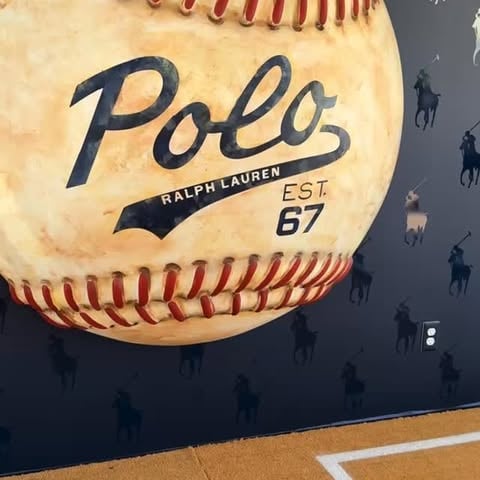
The journey from a creative concept to a finished trade show display is more complex and more fascinating than most marketers realize. Understanding this journey helps brands make better creative decisions, set more realistic expectations, and ultimately get better results from every display investment they make. Here is how the best teams take trade show display design from first idea to opening day.
Stage One: Collaborative Creative Development
Every great trade show display begins with a thorough creative conversation. The design team needs to understand not just what the brand looks like but what it believes in, who it is trying to reach, and what it wants visitors to feel when they encounter the display.
Trade show display design at Smash Design begins with exactly this kind of deep collaborative creative development. The team works with the client to define goals, vision, and scope before any design work begins. This front-end investment in understanding is what ensures the eventual design truly serves the brand rather than just looking generically impressive.
Stage Two: 3D Design and Planning
Once the creative direction is established, the design team translates it into three-dimensional space. This is where the display begins to take shape as a physical environment rather than a conceptual direction. Through 3D models and illustrations, the client can see exactly how the finished display will look and feel before any fabrication begins.
This stage is critical for catching design decisions that work beautifully in two dimensions but do not translate well into physical space. The Smash Design 3D modeling and planning process allows for thorough review and refinement at this stage, which prevents expensive changes after fabrication has begun.
Stage Three: CNC Fabrication and Assembly
With the design approved, fabrication begins. Using precision CNC technology alongside traditional craft skills, the Smash Design team produces the components that will make up the finished display. This stage involves the broadest range of skills on the team, from prop makers and sculptors working on three-dimensional elements to engineers ensuring structural integrity.
Brand experience design at this scale requires both creative craft and technical precision in equal measure. The visual quality of a surface depends on the sculptor's skill. The structural reliability of the finished piece depends on the engineer's calculations. Both are equally important to the final result.
Stage Four: Delivery and Installation
The final stage of the trade show display design process is delivery and installation. Smash Design handles this through custom crating designed specifically for each project and nationwide shipping coordinated to meet event deadlines. On-site installation is managed to ensure the display arrives exactly as designed and is assembled correctly within the time constraints of show setup.
This logistical stage is as important as the creative stages that precede it because a brilliantly designed display that arrives damaged or is installed incorrectly fails to deliver the brand experience it was built to create.
How This Process Benefits the Brand
The value of this rigorous process is that it gives the brand confidence at every stage that the final display will match the creative vision. The collaborative development stage ensures the brief is right. The 3D modeling stage ensures the design is right. The fabrication stage ensures the execution is right. The delivery and installation stage ensures the physical reality matches the intention.
This staged approach is one of the key differentiators between working with an integrated team like Smash Design and working with multiple separate vendors for different stages of the project.
Conclusion
Understanding the full journey from concept to finished trade show display helps brands engage more productively with their fabrication partners and make better decisions at every stage of the process. When the creative, technical, and logistical elements of trade show display design are managed with equal care and skill, the finished display consistently reflects the original creative vision at a quality level that genuinely serves the brand's objectives.