
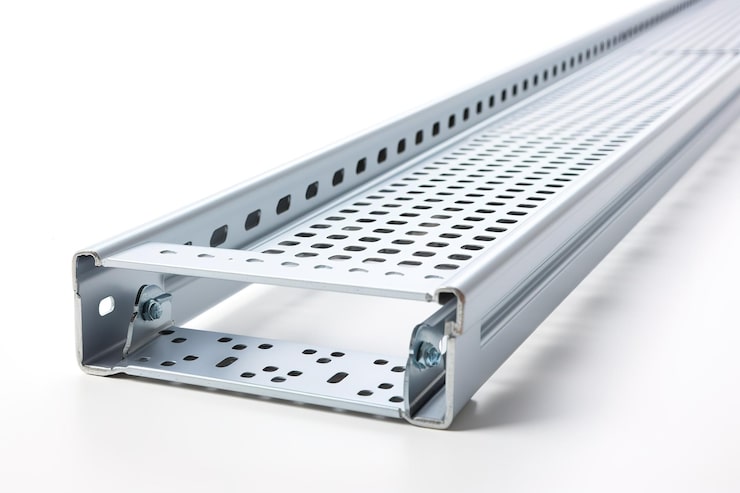
Heavy cables put real strain on their supports. Over long spans, weak routes sag, joints loosen, and technicians lose confidence in what is above their heads. A ladder cable tray solves much of this, because its strong side rails and open rungs carry weight steadily across industrial areas.
Strength alone is not enough, though. A good cable management system brings supports, accessories, labeling, earthing, and access together, so every route stays organized and safe. This guide explains where ladder trays perform best and how to fit them into a wider plan for plants and utility sites.
Why a Ladder Cable Tray Suits Heavy Industrial Routes
Side rails spread the load along the span, which lets a ladder cable tray carry large power cables without complicated framing. The open design also helps heat escape and stops dust from collecting in hidden pockets. Oil and gas, petrochemical, and utility sites use this type of route because it stays stable in demanding conditions.
Inspection is another advantage. Technicians can see cables at a glance, add circuits without dismantling anything, and spot damage early. For plants that expand regularly, that simplicity saves labor every year and keeps upgrade work predictable.
Questions to Ask Before Choosing a Ladder Cable Tray
Take a few minutes with your team and work through these points:
- What is the total weight of cables on each route?
- How far will the tray span between supports?
- Will the route face heat, moisture, or chemical exposure?
- Is there space for extra circuits in the future?
- How will the metal connect to the earthing network?
Clear answers lead to the right choice. Vague answers, on the other hand, often lead to an undersized route that needs replacing within a few years. Planning properly costs far less than rebuilding a path that already carries live cables.
How a Cable Management System Ties Every Route Together
A cable management system is the complete plan behind your routes. It covers the trays, fittings, fixings, labels, and access points, and it defines how cables move from source to equipment. Without such a plan, sites grow messy, and finding a single circuit can waste hours.
Good systems also protect people. Tidy, supported routes reduce the risk of strain, overheating, and accidental damage. When a fault occurs, technicians follow clear labels instead of guessing, which shortens downtime and lowers stress during urgent repairs.
Parts of a Cable Management System Worth Listing
- Ladder trays and supports for heavy routes
- Bends, tees, and reducers for direction changes
- Brackets and fixings rated for the real load
- Labels that identify every circuit
- Cable lugs, glands, and terminations at each end
- Earthing and bonding links along the route
Writing this list during design keeps procurement accurate. It also shows gaps early, since a missing item is easy to add on paper and costly to add once crews are on site.
Earthing and Protection Along a Ladder Cable Tray
Metal routes are not electrically silent. During faults or lightning events, current can travel along them, so bonding must be planned carefully. Every section should keep continuity, and clear connections to the earthing network should appear on the drawings and be tested after installation.
Surge protection devices and lightning protection add extra layers, especially near sensitive equipment. Designing these together with the ladder cable tray route helps prevent gaps between disciplines and makes commissioning tests smoother.
Cable Management System Tip for Plant Teams
Photograph each route before covers or ceilings close, and keep the images with your test results. A cable management system stays useful only when its records stay current.
Working With One Team on Ladder Cable Tray Projects
ElectroShield Arabia is a Saudi engineering company offering turnkey solutions in earthing, grounding, lightning protection, surge protection devices, aviation warning lights, cable lugs, cable glands, and cable terminations. Its services include testing, commissioning, inspection, and maintenance for commercial, industrial, oil and gas, petrochemical, telecom, government, defense, and data center projects.
That range matters because supports connect to many other parts of an installation. One coordinated team helps keep terminations, earthing, and protection aligned with the routes you plan.
Conclusion on Building Around a Ladder Cable Tray
Heavy routes need honest planning. Measure the load, check the environment, allow room for growth, and confirm bonding. A carefully chosen ladder cable tray gives your cables strong support, while a complete cable management system keeps everything labeled, protected, and easy to service.
Before ordering, review these points with your engineers and installers. Agree on testing, inspection, and maintenance from the start. With clear planning and a capable partner, your industrial routes can stay safe, tidy, and ready for whatever your site needs next.