
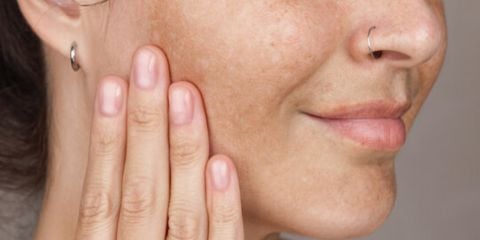
Modern advancements in aesthetic medicine have finally dismantled the old belief that lasers are only for light complexions. Skin pigmentation laser treatment is now safer and more effective for darker skin tones than ever before, provided the correct technology and protocols are utilized. While older devices carried a high risk of causing heat damage or scarring on melanin-rich skin, contemporary systems are specifically engineered to bypass the surface and target deep-seated pigment. This shift means that individuals with deeper complexions can successfully treat melasma, sun damage, and post-acne marks without the fear of worsening their condition.
Understanding the Melanin-First Approach
Melanin acts as a natural shield, but it also makes the skin more reactive to heat and trauma. Traditional lasers often struggled because they could not distinguish between the "target" pigment (like a dark spot) and the surrounding "natural" pigment of the skin. This lack of precision often led to accidental burns or permanent light spots. Today, the focus has moved toward using specific wavelengths that "see" past the surface melanin. By choosing longer wavelengths, practitioners can deliver energy directly to the problem area while keeping the outer layer of the skin cool and intact.
Controlled energy delivery is the secret to success for darker Fitzpatrick skin types. Instead of using a broad hammer to crack a nut, modern lasers use a specialized "shutter" system or ultra-fast pulses. These pulses happen so quickly that the heat does not have time to spread to the surrounding tissue. This technique prevents the inflammatory response that typically triggers post-inflammatory hyperpigmentation. It turns the treatment into a precise surgical strike rather than a general heat application, preserving the integrity of your natural skin tone.
Is Post-Treatment Care More Critical for Darker Tones?
The healing window is where the final results are truly solidified. Darker skin has a very "active" memory, and any irritation during the first few days after a laser session can lead to new dark patches. Following a strict aftercare routine is the only way to protect the investment you’ve made in your complexion. This includes using bland, fragrance-free moisturizers to keep the skin barrier hydrated and resilient. Any itching or dryness must be addressed immediately to prevent the urge to scratch, which can cause micro-trauma.
Sun avoidance is the most important rule of the recovery phase. Since the laser has just disrupted the pigment, your skin is temporarily more vulnerable to UV damage. Applying a mineral-based SPF 50 every few hours is necessary, even if you are staying indoors near windows. This protective layer acts as a temporary shield while your cells reorganize and heal. Most people find that their skin feels slightly sensitive, similar to a mild sunburn, for a day or two, but proper care ensures this transition is smooth and complication-free.
Can Lasers Be Combined with Other Methods?
Achieving a flawless complexion often requires a multi-faceted strategy. While lasers do the heavy lifting for deep pigment, other treatments can help refine the surface and maintain the results. For example, gentle chemical peels or skin rejuvenation in Phoenix can be used between laser sessions to accelerate cell turnover. This combination helps move the shattered pigment particles out of the skin more quickly, leading to faster visible improvements.
Microneedling is another popular companion to laser therapy, especially for those dealing with both pigment and texture issues like acne scarring. By alternating these treatments, you address different layers of the skin’s architecture. However, the timing between these procedures must be carefully managed by a professional. Over-treating the skin can lead to exhaustion of the regenerative cells, so a structured timeline is essential for keeping the process safe and productive.
Long-Term Expectations and Maintenance
Patience is a requirement when treating pigmentation on darker skin. You will likely not see a total transformation after the first visit. Instead, you will notice a gradual lightening and a more uniform glow that develops over several months. Most treatment plans consist of three to six sessions, allowing the skin to heal and rebuild collagen in between. This incremental approach is much safer for melanin-rich skin and leads to results that look natural rather than "processed."
Once the desired clarity is achieved, maintenance becomes the priority. Your melanocytes will always have the potential to become overactive again if triggered by the sun or hormones. Continuing a high-quality skincare routine and scheduling a maintenance laser session once a year can keep the pigment in check. By treating your skin as a living, changing organ that needs ongoing support, you can enjoy a bright, even complexion for decades to come.
Safety and Excellence at Marcus Clinic
Ensuring the safety of laser procedures for diverse skin tones requires a deep understanding of light physics and cellular biology. Marcus Clinic approaches every patient with a focus on individual safety and clinical precision, recognizing that darker complexions require a specialized touch. The technicians at this facility are trained to use the most advanced wavelengths that protect the skin's surface while effectively clearing stubborn discoloration. By prioritizing a cautious yet effective methodology, they eliminate the risks once associated with traditional laser therapy.
Every consultation involves a detailed assessment of the patient's Fitzpatrick scale and specific pigment history. At Marcus Clinic, the goal is to provide a path to clear, healthy skin that honors and protects the natural beauty of every tone.