
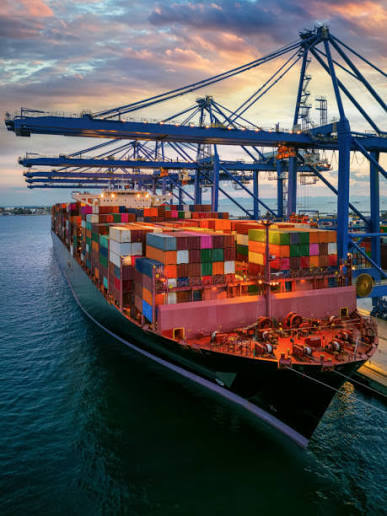
A ship loading terminal plays an essential role in global shipping, international trade, and bulk cargo transportation. It provides specialized facilities and equipment to transfer liquid and dry cargo from storage facilities to vessels safely and efficiently. A well-managed ship loading terminal helps reduce vessel turnaround time, improve operational efficiency, and maintain high safety standards throughout the loading process.
Modern ship loading terminals use advanced loading arms, pipelines, pumps, storage tanks, and cargo handling systems to support different types of vessels and cargo requirements. Professional terminal operators coordinate vessel scheduling, cargo inspections, loading operations, and documentation to ensure smooth port operations.
Safety is a major priority during ship loading. Proper equipment maintenance, trained personnel, environmental protection measures, and strict operational procedures help minimize risks and prevent cargo spills or handling delays.
Choosing a reliable ship loading terminal is important for shipping companies, petroleum traders, and logistics providers looking for dependable cargo transfer and storage solutions. With efficient infrastructure and experienced terminal management, businesses can optimize their supply chains and ensure secure, timely cargo transportation.