
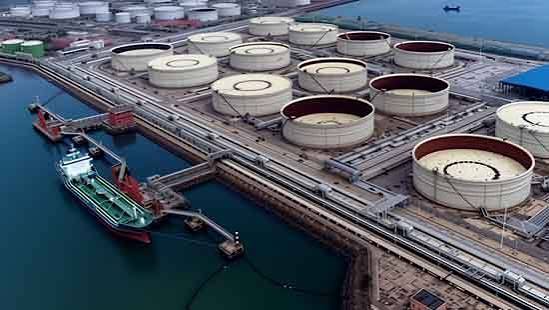
A third-party oil storage terminal plays an essential role in the petroleum supply chain by providing secure, efficient, and flexible storage solutions for oil producers, traders, refiners, and distributors. These terminals allow businesses to store petroleum products without investing in their own storage infrastructure, helping reduce operational costs and improve supply chain efficiency.
What Is a Third-Party Oil Storage Terminal?
A third-party oil storage terminal is a specialized facility that stores crude oil, refined petroleum products, and other compatible liquid cargo on behalf of external clients. These facilities typically provide storage tanks, product handling systems, loading and unloading facilities, and inventory management services. Depending on the terminal, services may also include product blending, transfer operations, and coordination of transportation.
By outsourcing storage requirements, companies can focus on their core business activities while benefiting from established infrastructure and professional terminal operations.
Benefits of Third-Party Oil Storage Services
One of the main advantages of third-party oil storage is flexibility. Businesses can select storage capacity according to their operational needs, market conditions, and delivery schedules. This approach can help avoid the substantial investment required to construct and maintain a dedicated storage facility.
Professional oil storage terminals also support efficient logistics through their connections to ports, pipelines, road transport, and other distribution networks, depending on their location. Reliable inventory tracking and organized product handling help businesses coordinate deliveries and maintain better control over their petroleum supplies.
Safety and environmental protection are equally important. Well-managed terminals operate according to applicable regulations, using suitable storage equipment, inspection procedures, spill prevention measures, and emergency response plans.
Who Needs Third-Party Oil Storage?
Oil traders, petroleum distributors, refiners, energy companies, and industrial suppliers may all benefit from third-party storage services. These facilities can support businesses managing seasonal demand, international shipments, fluctuating inventories, or temporary storage requirements.
Choosing the right terminal involves evaluating tank capacity, product compatibility, location, transportation access, operating procedures, security measures, and service costs. Companies should also confirm that the facility has the appropriate permits and certifications for the products being handled.
Conclusion
A third-party oil storage terminal offers a practical solution for businesses seeking dependable petroleum storage without the expense of owning dedicated infrastructure. With suitable facilities, effective inventory management, and a strong focus on operational safety, third-party storage services can improve logistics, support business flexibility, and strengthen the petroleum supply chain. Selecting a terminal that matches specific storage and transportation requirements is an important step toward efficient and reliable operations.